The dream of returning to the moon has hit a snag. NASA announced a delay to the highly anticipated launch of its new moon rocket, pushing the mission back to March after a series of critical issues surfaced during a crucial test.
Originally slated for February 8th from the Kennedy Space Center in Florida, the Artemis II mission promised to send four astronauts on a breathtaking 10-day journey around the moon. Among them is Canadian astronaut Jeremy Hansen, poised to become the first Canadian to ever circle our lunar neighbor.
The setback stemmed from a significant leak of liquid hydrogen propellant discovered midday Monday as the team began fueling the massive rocket. Engineers battled for hours to isolate and resolve the leak, immediately throwing the launch schedule into uncertainty.
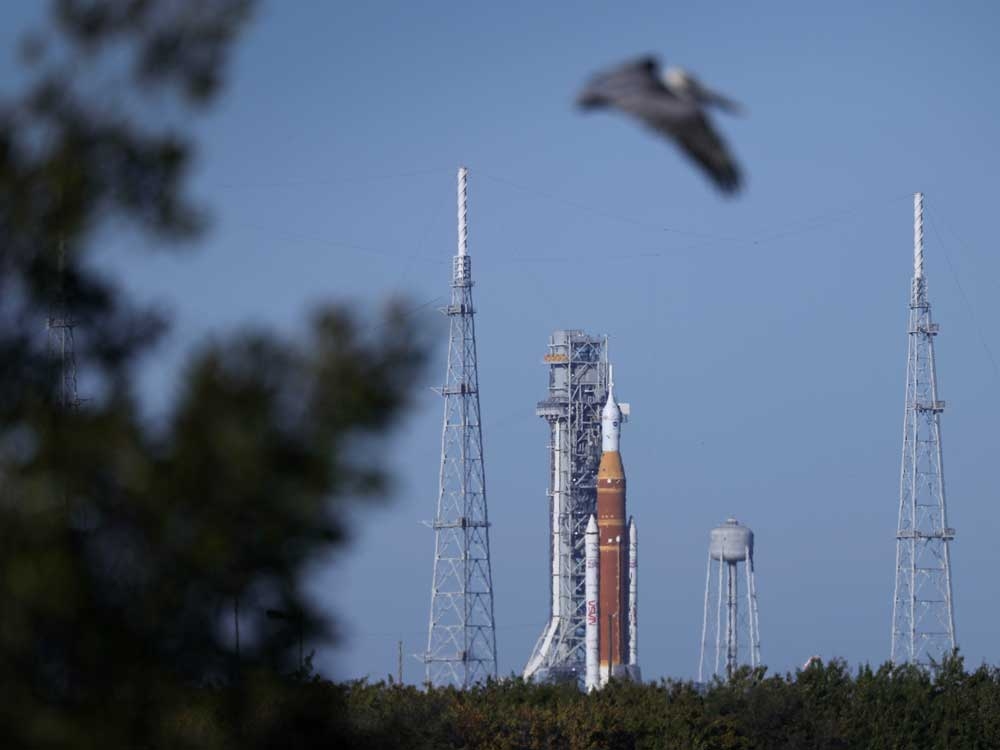
But the hydrogen leak wasn’t the only challenge. A malfunctioning valve, intermittent audio communication failures with ground control, and unexpectedly lengthy “closeout operations” compounded the delays, creating a cascade of problems that demanded immediate attention.
From 1,600 kilometers away in Houston, at the Johnson Space Center, the four astronauts assigned to the mission watched the test unfold with intense focus. Their carefully planned two-week quarantine has been temporarily lifted, but they will re-enter isolation approximately two weeks before the next launch attempt.
The timing is particularly sensitive. Launch windows for this rocket are limited to just a few days each month, and the already frigid February weather had already narrowed the available opportunities by two days. Every moment counts in the race to return to the moon.

This mission isn’t about a landing; it’s about proving the spacecraft’s capabilities. Artemis II will propel the crew past the moon, venturing around its enigmatic far side before returning to Earth, a vital test of the capsule’s life support systems and critical infrastructure.
It’s been decades since humans last walked on the moon, a legacy of the Apollo program from the 1960s and 70s. Artemis represents a bold new chapter, aiming for a sustained lunar presence and paving the way for future landings and a permanent foothold beyond Earth.
NASA is now meticulously reviewing all data from the test, working to address each issue before resuming preparations. While a specific March launch date remains undefined, the agency is committed to a safe and successful return to lunar exploration.