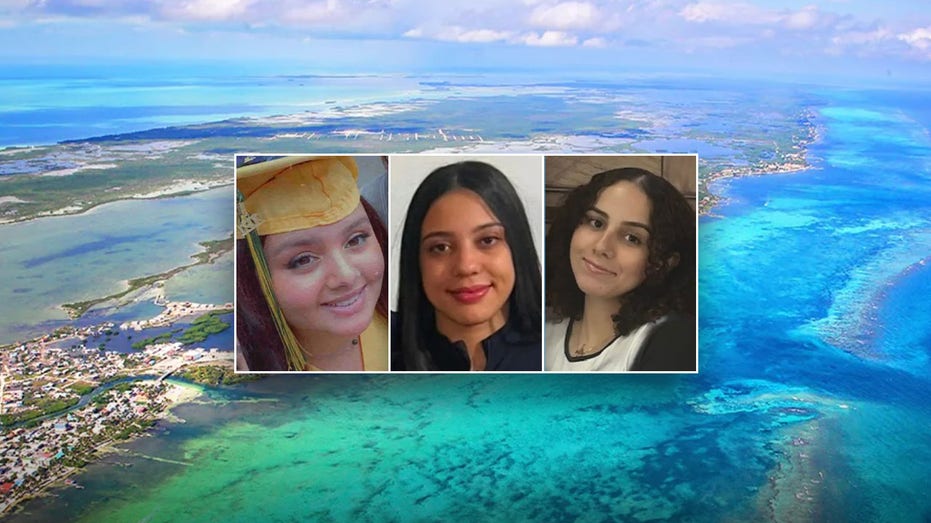
The laughter and anticipation of a tropical getaway turned into an unbearable nightmare for three Massachusetts families. Wafae El-Arar, Kaoutar Naqqad, and Imane Mallah – vibrant women aged 26, 23, and 24 – embarked on a vacation to Belize, a journey from which they would never return.
On February 22nd, 2025, they were found lifeless in their suite at the Royal Kahal Beach Resort in San Pedro. The cause? A silent, invisible killer: carbon monoxide poisoning. Authorities confirmed the devastating truth – each woman had succumbed to fatal exposure.
The families, still reeling from the shock, describe a pain that defies comprehension. Their daughters and sisters, full of life and promise, left for a dream vacation and vanished. The disbelief remains, a constant ache alongside the grief.
A recently filed lawsuit paints a disturbing picture of negligence and disregarded warnings. The families allege the Royal Kahal Beach Resort knowingly jeopardized guests’ safety, failing to address previous reports of carbon monoxide exposure from other visitors.
Crucially, the suite where the women stayed lacked a working carbon monoxide detector – a simple, life-saving device that could have prevented the tragedy. The lawsuit asserts this wasn’t an accident, but a direct consequence of prioritizing profits over the well-being of those entrusted to their care.
The women had booked their trip through Expedia, enticed by targeted advertisements and solicitations promoting the Royal Kahal resort. Unbeknownst to them, other guests had already documented concerning experiences with high carbon monoxide levels in Expedia reviews – warnings that seemingly went unheeded.
The lawsuit further alleges that the resort’s water heaters were not only poorly designed but also improperly installed. Construction was reportedly rushed, completed with a minimal budget and by individuals lacking the necessary qualifications, creating a dangerous environment.
The families express a profound sense of betrayal. They placed their trust in the resort and the travel platform, believing their safety was paramount. That trust, they now realize, was tragically misplaced. They seek accountability, not only for their own loss but to prevent similar tragedies from shattering other families.
The lawsuit seeks $100 million in damages, a figure representing the immeasurable loss of three young lives and the enduring pain inflicted upon their loved ones. It’s a demand for justice, a plea for a system where safety is never sacrificed for financial gain.
This case serves as a stark reminder of the potential dangers lurking beneath the surface of idyllic vacation destinations, and the critical importance of prioritizing safety and heeding warning signs. The families’ pursuit of justice is a testament to the enduring power of love and the unwavering need for accountability.