A dramatic shift is unfolding in the relationship between Iran and the United States. For the first time in months, a clear signal has emerged from Tehran: a willingness to negotiate, directly instructed by Iran’s president. This announcement follows weeks of internal turmoil and a brutal crackdown on nationwide protests, suggesting a desperate search for a new path forward.
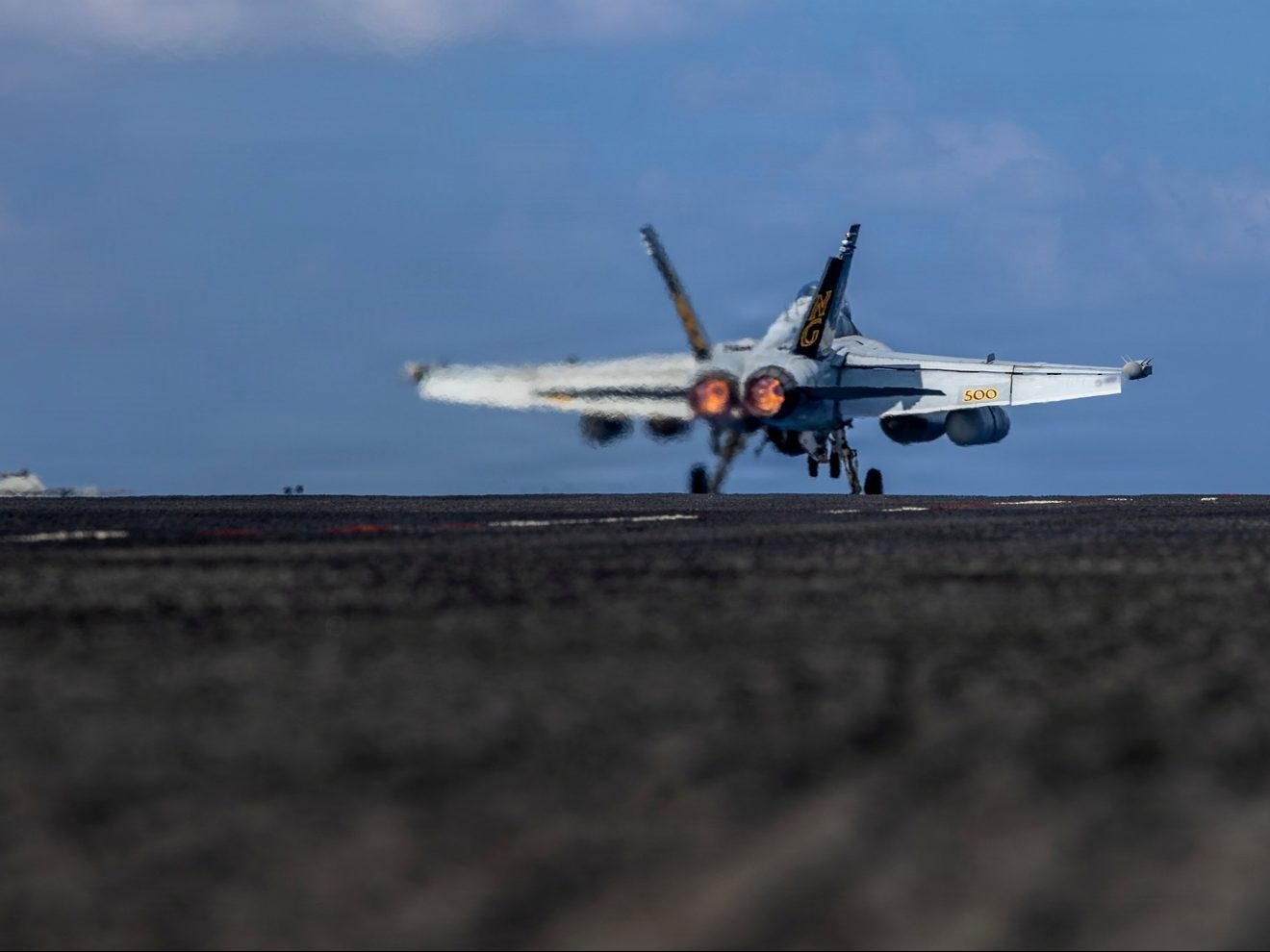
The fragile hope for dialogue was immediately tested. Just hours after the president’s statement, a U.S. Navy fighter jet intercepted and destroyed an Iranian drone rapidly approaching an American aircraft carrier. Simultaneously, Iranian naval forces attempted to intercept a U.S.-flagged vessel in the strategically vital Strait of Hormuz. These aggressive actions underscored the precariousness of the situation, a hair-trigger environment where miscalculation could ignite wider conflict.
Despite these escalating tensions, diplomatic channels remain open. U.S. special envoy Steve Witkoff is reportedly preparing for talks with Iranian officials in Turkey, a move cautiously welcomed by Ankara, which is actively attempting to broker the negotiations. Several other nations – Oman, Pakistan, Qatar, Saudi Arabia, and the United Arab Emirates – have been invited to participate, signaling a broad regional interest in de-escalation.
This potential for negotiation represents a significant departure for the current Iranian administration. The president, previously warning of unrest spiraling beyond control, now appears to have secured the backing of the nation’s Supreme Leader, a cleric who previously dismissed direct talks with Washington. This internal alignment suggests a calculated gamble, a recognition that a new approach is necessary.
However, the path to any agreement is fraught with obstacles. The U.S. is now demanding concessions related to Iran’s nuclear program, a demand intensified by recent events. Reports indicate the U.S. military targeted three Iranian nuclear sites during a recent conflict, raising the stakes considerably. Iran, meanwhile, insists it has no intention of developing nuclear weapons, but demands reciprocal concessions.
The situation is further complicated by strong opposition to any deal from hardliners on both sides. A former U.S. Secretary of State publicly expressed skepticism, stating a lasting solution seems “unimaginable” while the current leadership remains in power. Israel, a key U.S. ally, has issued its own stringent demands, including the removal of enriched uranium and limitations on ballistic missile development.
Behind closed doors, a top advisor to Iran’s Supreme Leader suggested a phased approach to negotiations, beginning with indirect talks and progressing to direct engagement only if a breakthrough appears possible. This cautious strategy reflects the deep-seated distrust and political sensitivities surrounding any direct dialogue with the United States.
Adding to the tension, the U.S. Central Command detailed the incident with the Iranian drone, describing it as an “aggressive” approach with “unclear intent.” The drone was ultimately destroyed by an F-35C fighter jet. A separate incident involved Iranian forces attempting to board a U.S.-flagged tanker, prompting a response from the U.S. Navy.
The coming days will be critical. As Witkoff engages with regional leaders and prepares for potential talks, the world watches, acutely aware that the fate of the Middle East – and perhaps beyond – hangs in the balance. The delicate dance between confrontation and negotiation has begun, and the margin for error is vanishingly small.