A tense quiet has descended upon the Middle East, masking a dramatic shift in military posture. The United States is significantly reinforcing its presence throughout the region, a move coinciding with a sudden and unexpected change in location for crucial nuclear talks with Iran.
Negotiations, initially slated for Istanbul, have been relocated to Oman, a development spurred by urgent appeals from several Arab leaders. These leaders reportedly impressed upon U.S. officials the importance of continuing dialogue, fearing the consequences of a complete withdrawal from discussions regarding Iran’s nuclear program.
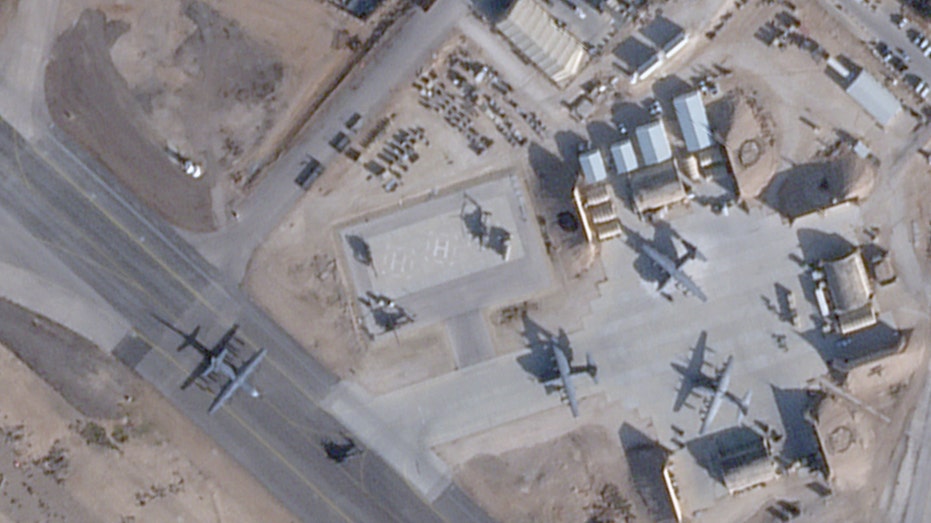
Satellite imagery reveals a substantial buildup of U.S. military assets. Aircraft, naval vessels, and logistical support platforms are now strategically positioned across the region, a deployment that experts interpret as preparation for a wide range of potential actions.
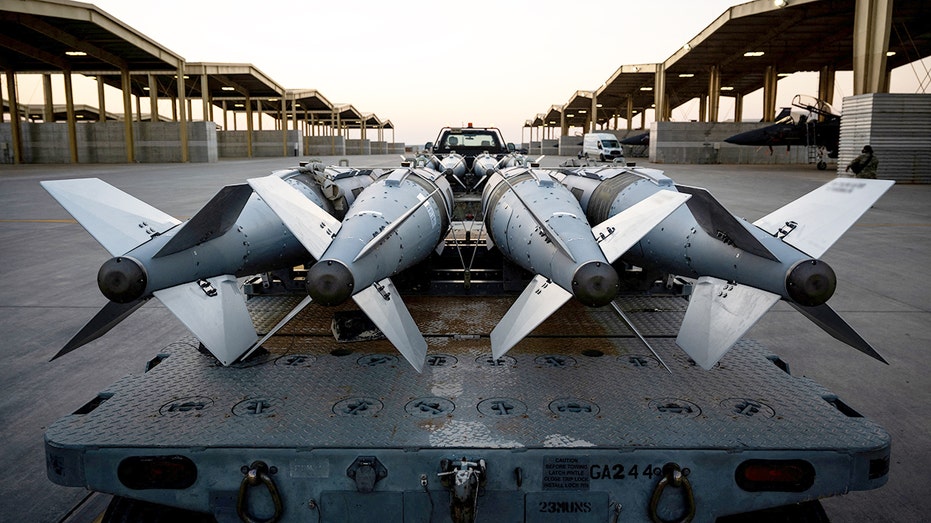
While a strike isn’t necessarily imminent, the positioning of these forces suggests a heightened state of readiness. Experts caution that visible movements represent only one piece of the puzzle, with crucial elements like munitions and intelligence still potentially needed before any operation could be launched.
The U.S. naval presence is particularly striking, led by the aircraft carrier strike group centered around the USS Abraham Lincoln in the Arabian Sea. Destroyers are also deployed throughout the eastern Mediterranean and the Red Sea, creating a formidable network of naval power.
Imagery from Oman’s Duqm Airport shows a U.S. V-22 Osprey aircraft, a versatile machine capable of supporting critical search-and-rescue operations. This suggests a focus on personnel recovery should any operations occur.
Further bolstering the logistical network, C-130 aircraft have been spotted at Muwaffaq Salti Airbase in Jordan. These planes could be utilized for maritime search and rescue, or for broader logistical support throughout the region.
The presence of multirole combat aircraft and helicopters further underscores the U.S.’s preparation for both offensive strikes and defensive counterair operations. The region is now saturated with the tools necessary for a swift and decisive response.
Adding another layer of complexity, Iran has deployed its Shahid Bagheri drone carrier. This vessel’s potential role is to harass and distract U.S. naval forces, forcing them to expend resources defending against persistent aerial threats.
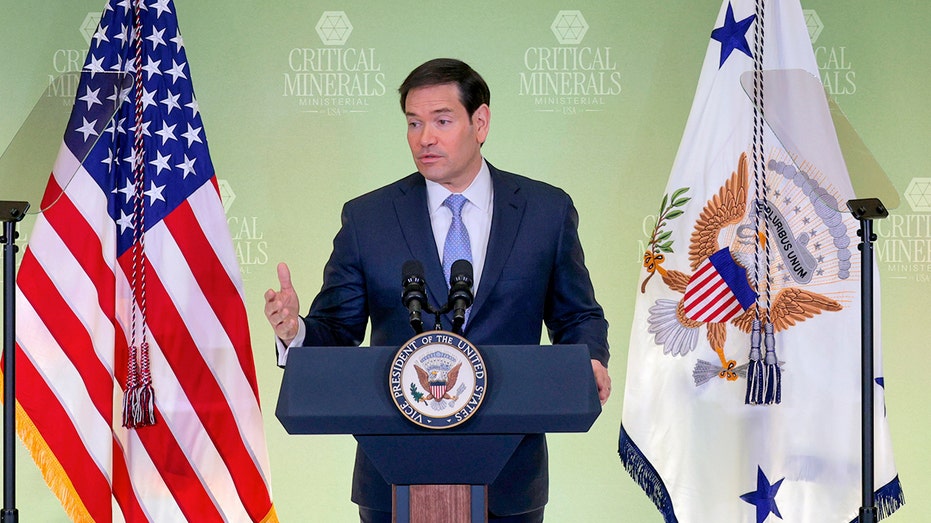
Secretary of State Marco Rubio has emphasized that any meaningful talks with Iran must address a broader range of concerns beyond just its nuclear activities. These include its ballistic missile program, support for militant groups, and its internal human rights record.
The U.S. Central Command has issued a stern warning to Iran regarding “escalatory behavior” in international waters, vowing to protect its personnel and assets. This warning followed an incident where U.S. forces shot down an Iranian drone approaching the USS Abraham Lincoln.
Experts agree that the current movements represent a clear signal to Iran of increasing U.S. military capability. However, the precise timing and potential targets of any future action remain shrouded in uncertainty, a deliberate ambiguity designed to maintain maximum strategic flexibility.