A dramatic showdown is brewing in the courts, poised to potentially reach the Supreme Court once more. The Justice Department has declared it will defy a court order demanding due process for over 250 Venezuelan migrants deported to a high-security prison in El Salvador.
These individuals were sent to El Salvador under the rarely-used Alien Enemies Act of 1798, sparking a legal battle that has become a defining conflict of the previous administration’s final years. The case isn’t simply about these 252 people; it’s a test of the boundaries of presidential power and the reach of judicial authority.
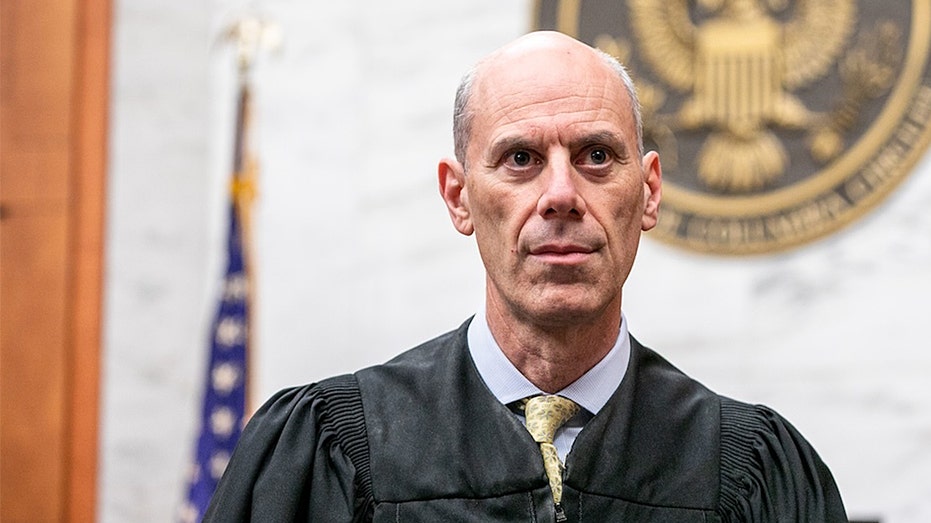
U.S. District Judge James Boasberg is at the center of this escalating conflict. He’s attempting to define what, if any, legal protections the administration is obligated to provide, and how forcefully the courts can enforce those rights. The Justice Department’s latest filing makes their position starkly clear: no additional due process will be granted.
The administration argues it’s impossible to return the migrants, citing national security concerns and the volatile political climate in Venezuela following the capture of a key leader during a controversial operation. They claim facilitating any legal proceedings, even remotely, is either legally prohibited or practically unfeasible.
Further complicating matters, the Justice Department contends that bringing these individuals back to the U.S. would jeopardize delicate foreign policy negotiations with Venezuela and pose significant national security risks. Allegations of gang affiliation have been raised, though these claims have been disputed.
Attempts to conduct hearings elsewhere, even at the U.S. embassy in Venezuela, were dismissed due to the sensitive political situation and the lack of U.S. control over the territory following the arrest of Venezuelan officials. The administration insists it lacks the authority to conduct legal proceedings on foreign soil.
This legal battle began eleven months ago, following the initial deportations that occurred despite a direct order from Judge Boasberg. The case reached the Supreme Court last year, which ruled that those removed under the Alien Enemies Act must have an opportunity to challenge their removal *before* it happens.
Since then, Judge Boasberg has been working to determine the status of the deported migrants and the extent to which the U.S. can facilitate their return or provide them with due process, including the chance to contest accusations against them. He specifically requested a plan from the administration outlining how they would fulfill these obligations.
The Justice Department recently presented similar arguments to a panel of judges, emphasizing that the indictment of a Venezuelan leader reinforces the justification for using the Alien Enemies Act to swiftly deport individuals deemed a threat. They characterized the action as a critical national security mission beyond the scope of judicial review.
However, legal advocates argue the Alien Enemies Act doesn’t grant the administration unlimited power. They contend the president cannot invoke wartime authority whenever it suits their agenda. The core question remains: does the act allow for the circumvention of fundamental due process rights?
Regardless of Judge Boasberg’s upcoming ruling, the Justice Department has signaled its intention to continue fighting this case, promising an immediate appeal and a request for a stay if an injunction is issued. The legal battle, it seems, is far from over, with the fate of these 252 individuals hanging in the balance.