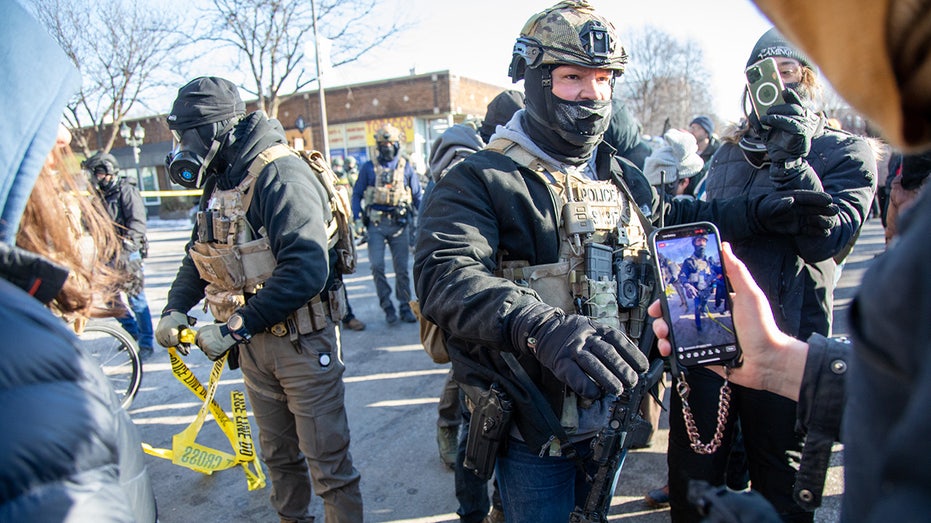
A simmering tension has gripped Minneapolis, fueled by a large-scale federal immigration enforcement operation. Protests have erupted, with demonstrators confronting agents, and accusations flying between state and federal authorities. Yet, despite the volatile atmosphere, legal scholars maintain a crucial point: the situation hasn’t yet reached a breaking point that would justify extraordinary federal intervention.
The core of the debate revolves around the delicate balance of power between the federal government and the states. While the federal government possesses the constitutional authority to enforce immigration laws, states cannot actively obstruct those efforts. Simply making the job of federal agents more difficult, even through aggressive protests, doesn’t cross that line.
Operation Metro Surge, launched in December, deployed 3,000 agents to Minneapolis and St. Paul, resulting in numerous arrests. This surge, however, ignited fierce resistance, tragically marked by the deaths of two U.S. citizens during encounters with immigration agents – incidents now under FBI investigation. The operation quickly became a flashpoint for public outrage.
Democratic leaders have been vocal in their criticism, with some drawing historical parallels to the Civil War. Governor Tim Walz, for example, questioned whether the federal presence represented a new “Fort Sumter,” a provocative comparison that underscored the depth of the state’s opposition. However, legal experts argue that such rhetoric, while inflammatory, doesn’t equate to unlawful obstruction.
The state’s refusal to actively assist in immigration enforcement is legally distinct from actively hindering it. This “hands-off” approach, protected by the Tenth Amendment’s anti-commandeering doctrine, allows states to decline to enforce federal laws without facing constitutional challenges. Minneapolis Mayor Jacob Frey explicitly stated the city would not assist with federal immigration enforcement, asserting it simply wasn’t their responsibility.
As official channels of resistance remained within legal boundaries, a network of activists emerged, organizing what they call “ICE watching.” Utilizing encrypted messaging apps, these groups track agent movements and share information, aiming to monitor and confront federal authorities. This grassroots opposition represents a significant, yet legally distinct, form of resistance.
The resistance has occasionally escalated, with protests disrupting events – including a church service led by an ICE field director – and resulting in arrests. Federal authorities have responded by charging individuals accused of directly impeding enforcement, including those allegedly involved in blocking agents or cyberstalking pro-ICE individuals.
Despite these confrontations, legal minds emphasize that the situation hasn’t deteriorated to the point of a constitutional crisis. While some describe the state’s approach as “irresponsible,” it remains within legal bounds. The Department of Justice has even subpoenaed state leaders, seeking information about potential conspiracy to interfere with ICE’s work, but the investigation’s status remains unclear.
The possibility of invoking the Insurrection Act, a rarely used provision allowing the president to deploy the military to suppress unlawful obstructions of federal authority, has been discussed. However, experts agree this should be a last resort. While roadblocks and direct interference could potentially justify its use, the current situation in Minneapolis hasn’t reached that threshold.
Those leading the federal operation remain resolute. A key figure, Tom Homan, dismissed the protesters’ efforts as a “joke,” asserting that they would not succeed in stopping ICE or Border Patrol. The legal consensus echoes this sentiment: while the situation is tense, the fundamental authority of the federal government remains intact.


