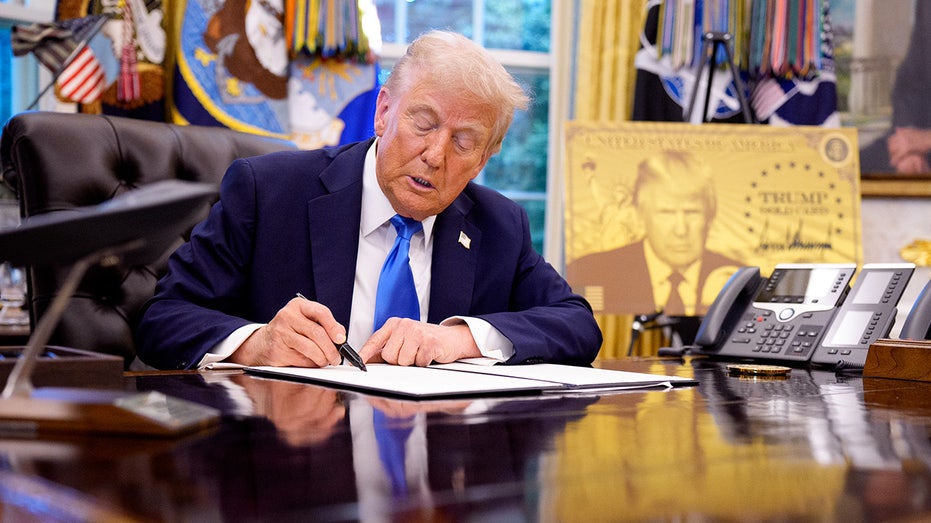
A new executive order fundamentally reshapes how the United States approaches foreign arms sales, prioritizing American production and strategic alliances. The directive, signed into effect, mandates a thorough assessment of how these sales impact the nation’s capacity to build and maintain critical defense systems.
The Departments of Defense, State, and Commerce are now tasked with ensuring arms transfers directly support the National Security Strategy. This means bolstering vital supply chains and favoring nations demonstrably committed to their own defense capabilities and occupying key geopolitical locations.
For years, foreign demand has dictated American defense production, leading to significant delays and escalating costs. This resulted in both the U.S. military and allied forces waiting extended periods for essential equipment – a situation the new order aims to rectify.
The goal is to leverage the over $300 billion in annual defense sales to revitalize American manufacturing and accelerate the delivery of domestically produced weapons. This shift is intended to empower allies and deter potential adversaries with a more responsive and robust supply of American-made defense technology.
A major focus of the order is streamlining the notoriously slow and bureaucratic foreign military sales process. Agencies are directed to identify and eliminate bottlenecks in areas like end-use monitoring, third-party transfer approvals, and congressional notifications.
To oversee this transformation, a new “Promoting American Military Sales Task Force” has been established. This task force will track major defense sales and ensure the strategy is effectively implemented across the government, with quarterly performance metrics made public to ensure accountability.
The order signals a clear shift in partner prioritization. Countries that actively invest in their own defense and hold strategic importance will receive preferential treatment, aligning arms sales decisions with broader U.S. military planning and geographic objectives.
Partners whose requests don’t align with these objectives may face extended timelines or reduced priority, reflecting a focus on maximizing the impact of limited U.S. production capacity. This isn’t about abandoning allies, but about strategically allocating resources to those deemed most critical.
Efficiencies are also being sought in existing oversight procedures, including Enhanced End Use Monitoring and the Congressional Notification process. The aim is to balance the need for accountability with the urgency of delivering weapons to allies in a timely manner.
Congress will closely monitor the implementation of these changes, particularly regarding oversight of weapons usage abroad and the notification process for major arms deals. Lawmakers have consistently emphasized the importance of preventing misuse while also advocating for faster delivery times.
This executive order builds upon a series of recent actions designed to strengthen the defense industrial base. Previous directives focused on prioritizing production, innovation, and on-time delivery for defense contractors, as well as improving speed and accountability within the foreign military sales system.
These combined efforts represent a concerted push to modernize defense acquisitions, reduce bureaucratic hurdles, and ensure the United States remains a leading provider of advanced defense technology to its allies, while simultaneously bolstering its own industrial capacity.