A storm is brewing within the nation’s education system, marked by escalating conflicts and revelations that challenge established norms. From union leadership under scrutiny to classroom controversies, a series of events are forcing a reckoning with the forces shaping how – and what – our children are taught.
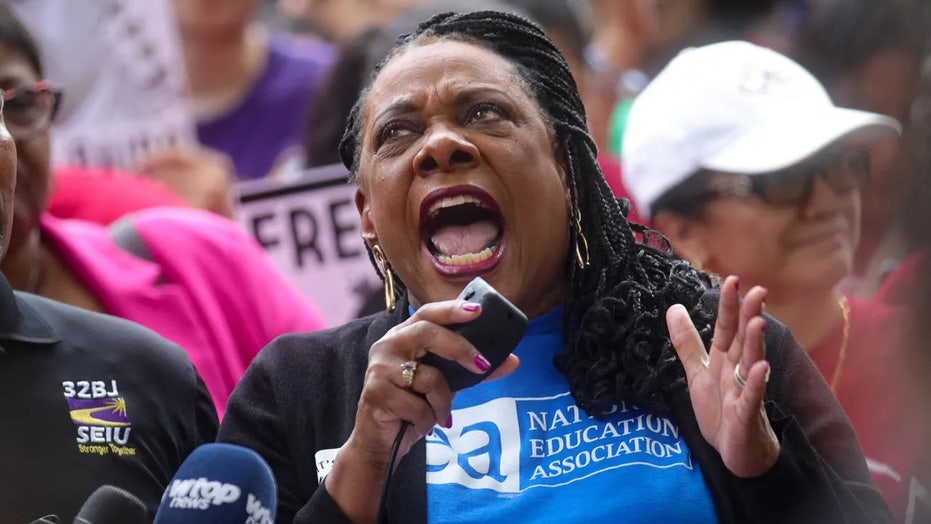
The spotlight is intensely focused on a major teachers union, facing calls for a review of its federal charter. Lawmakers are questioning the organization’s practices, igniting a debate about its influence and accountability in shaping education policy.
Adding fuel to the fire, the president of a Minneapolis teachers union reportedly admitted participation in encrypted online chats with elected officials critical of Immigration and Customs Enforcement (ICE). This disclosure has sparked accusations of political maneuvering and raised concerns about the intersection of union activity and partisan agendas.
In Rhode Island, an activist sharply criticized a nonprofit organization for orchestrating what was presented as a “student-led” anti-ICE school walkout. The claim suggests manipulation and questions the authenticity of youth-driven activism in politically charged environments.
Internal strife is also surfacing within academic institutions. A recent hiring decision at Notre Dame, bringing on an advocate for abortion rights to lead a prominent center, prompted several staff members to sever ties with the university, highlighting deep ideological divisions.
The battleground extends to parental rights, as an elementary school teacher is challenging their state’s union over a ballot measure concerning parental involvement in education. This individual act of defiance underscores a growing movement advocating for greater family control over curriculum and school policies.
A wave of sorrow and resilience followed the desecration of a Catholic school, where a Mary statue and tabernacle were deliberately destroyed. School leaders responded with a call for prayer, extending compassion even to those responsible for the act of vandalism.
Legal consequences are unfolding for a Temple University student accused of involvement in a federal church-storming incident, further illustrating the reach of politically motivated actions beyond the classroom.
A first-grade teacher in San Diego ignited controversy by displaying an American flag upside down, prompting an official investigation. The act, widely interpreted as a symbol of distress or protest, raises questions about appropriate expression of political views in a school setting.
Education experts are voicing alarm over a proposed plan in New York City, warning that it could dismantle gifted programs and disproportionately harm low-income students. The debate centers on equitable access to advanced learning opportunities.
In Texas, a decision by Texas A&M to discontinue a Women’s and Gender Studies certificate program has drawn praise from education advocates. The move reflects a broader discussion about the role of specialized academic fields within higher education.
Finally, unearthed recordings reveal a teachers union president privately referring to a former president as a “dictator” during a call with a group linked to Antifa. This revelation adds another layer to the complex narrative of political polarization within the education landscape.