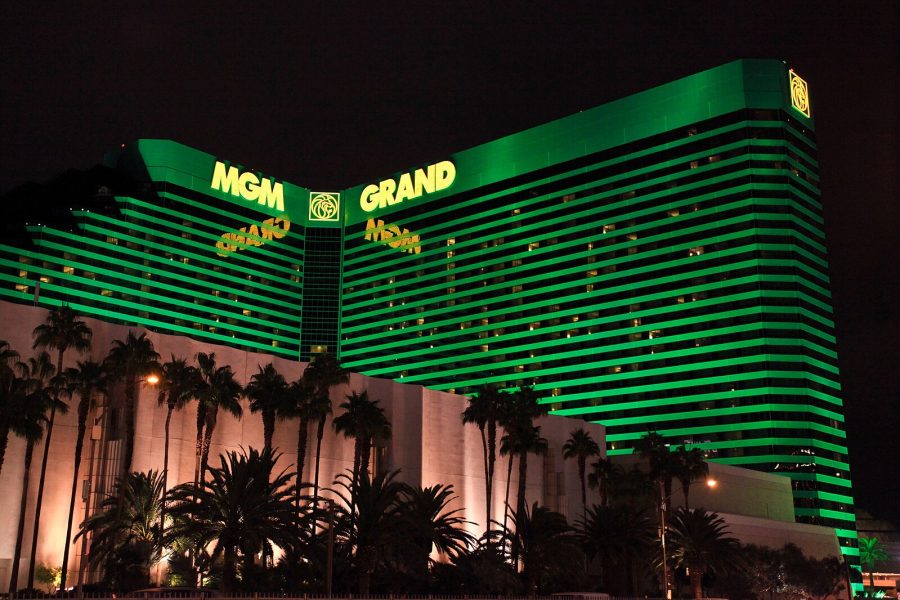
MGM Resorts concluded 2025 with a complex financial narrative – one of revenue gains shadowed by declining profits, and cautious investor reaction. While the company reported significant growth in key areas, the overall picture revealed a delicate balance between expansion and economic pressures.
Fourth quarter revenues reached $4.6 billion, a 6% increase compared to the previous year, translating to a net income of $294 million – a substantial 87% jump. This surge was fueled by strategic investments and a diversified approach to operations, with adjusted EBITDA climbing 20% to $635 million. Despite these positive indicators, the stock experienced a slight dip following the announcement.
The company’s success wasn’t uniform across all sectors. While Las Vegas Strip revenues experienced a 3% decline, reaching $2.2 billion, regional operations showed modest growth at $950 million. A standout performer was MGM China, witnessing a remarkable 21% revenue increase, generating $1.2 billion, and a 30% rise in adjusted EBITDAR.

A significant contributor to the positive cash flow was the BetMGM North America venture, returning $135 million to MGM Resorts during the quarter – exceeding 20% of the initial investment. This return underscored the value of strategic partnerships in a rapidly evolving market.
Looking at the full year, consolidated net revenues rose to $17.5 billion, a 2% increase, with adjusted EBITDA reaching $2.4 billion, up 1%. However, net income for the year fell sharply to $206 million, a considerable decrease from the $747 million reported in 2024. This disparity highlighted a shift towards growth without a proportional increase in profitability.
The digital gaming sector, excluding BetMGM, demonstrated impressive revenue growth of 35%, reaching $188 million. While still operating at a loss, the gap narrowed considerably compared to the previous year, signaling potential for future profitability in this expanding market.
Financial leaders emphasized a commitment to shareholder value through careful capital allocation and efficient operations. Strategic asset sales, debt refinancing, and a substantial share repurchase program – totaling 37.5 million shares throughout 2025 – were key components of this strategy.
Despite the overall positive trends, analysts remained cautiously optimistic, citing lingering concerns about the Las Vegas Strip’s performance and broader economic uncertainties. The market’s reaction suggested a need for sustained profitability to fully regain investor confidence.
The company’s leadership outlined strategic priorities for 2026, focusing on continued operational excellence and adapting to the evolving landscape of the gaming and entertainment industries. The future hinges on navigating economic headwinds and capitalizing on emerging opportunities.