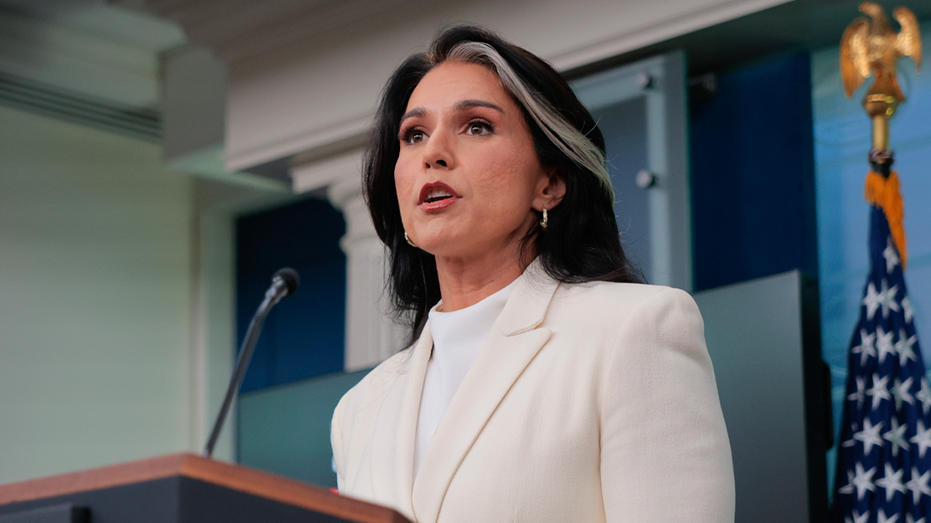
A storm of accusations has erupted around Director of National Intelligence Tulsi Gabbard, centering on a classified whistleblower complaint filed months ago. Democrats are questioning a significant delay – nearly a year – before the complaint was finally presented to Congress, igniting a fierce debate over transparency and national security.
Senator Mark Warner, a leading voice in the controversy, publicly suggested Gabbard’s office deliberately concealed the complaint, a claim Gabbard vehemently denies. She insists she never possessed the document, stating it remained secured in a safe under the responsibility of the Intelligence Community Inspector General, first Tamara Johnson, and later Chris Fox.
The complaint itself, filed by a U.S. intelligence official, alleges wrongdoing on Gabbard’s part. Its contents remain shrouded in secrecy, with officials warning that disclosure could inflict “grave damage to national security.” The whistleblower’s lawyer alleges deliberate obstruction, accusations Gabbard’s office dismisses as politically motivated.
At the heart of the dispute lies a question of timing. Senator Warner asserts the law mandates a 21-day window for delivering such complaints to Congress. He believes this timeline was intentionally disregarded, suggesting an attempt to bury the allegations. Gabbard counters that the 21-day rule only applies to complaints deemed both urgent *and* credible – a designation she claims was never given to this particular case.
The Inspector General’s office has confirmed that some allegations within the complaint were deemed not credible, while others remain under review. Gabbard maintains she only became involved when asked to provide security guidance on how to share the sensitive information with Congress, a process she says she expedited once informed by Inspector General Fox on December 4th.
Gabbard sharply criticized Warner, accusing him of spreading “lies and baseless accusations” for political gain, a tactic she argues actively undermines national security. She questions whether Warner is intentionally misleading the public or simply lacks understanding of the complex procedures involved.
The narrative isn’t solely one-sided. Republican members of both the House and Senate Intelligence Committees have publicly supported Gabbard, including Senator Tom Cotton, who reviewed the complaint and found it “not credible.” He characterized the situation as a politically driven attempt to discredit policies and undermine the DNI.
The core of the disagreement boils down to a fundamental clash of interpretations: was the delay a deliberate attempt to conceal wrongdoing, or a necessary precaution to protect highly classified information while adhering to proper protocol? The answer, for now, remains locked within the classified complaint itself, fueling a growing political firestorm.
This unfolding situation highlights the delicate balance between congressional oversight, national security concerns, and the potential for politically motivated accusations within the intelligence community. The implications extend beyond this single complaint, raising questions about the integrity of the whistleblower process and the trust between the executive and legislative branches.