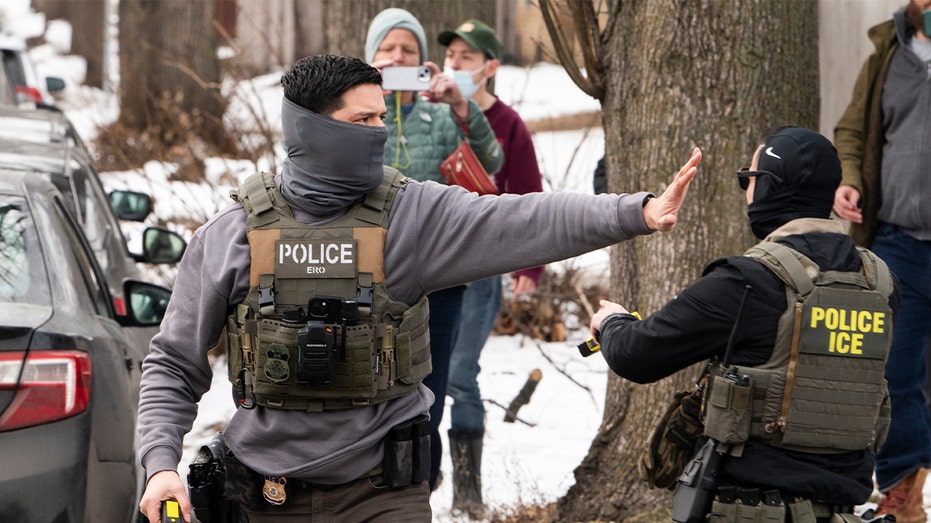
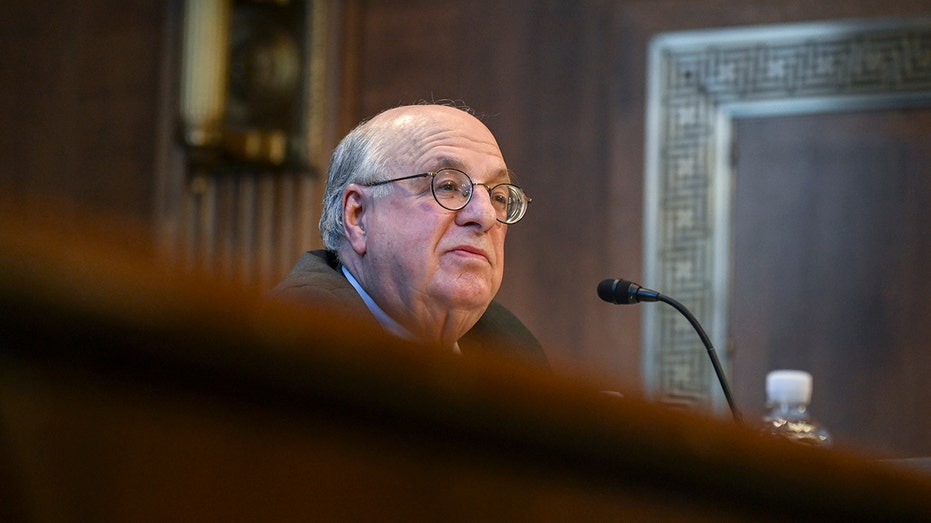
Representative Alexandria Ocasio-Cortez addressed a gathering in Queens, New York, outlining a controversial strategy in response to increased immigration enforcement. The town hall focused on empowering constituents to actively monitor and potentially obstruct the work of Immigration and Customs Enforcement (ICE) agents.
Ocasio-Cortez revealed plans for training sessions designed to equip individuals with the knowledge to observe ICE activity without legal repercussions. These “legal observer” sessions, conducted in partnership with the group Hands Off NYC, will focus on techniques for filming, note-taking, and documentation during ICE operations.
The representative voiced strong opposition to a recently passed $1.2 trillion government funding bill, specifically citing her vote against it due to allocations for the Department of Homeland Security (DHS). She framed the funding as enabling policies she vehemently opposes.

During the event, Ocasio-Cortez referenced the deaths of Renee Good and Alex Pretti, individuals killed during encounters with ICE agents, characterizing these incidents as “murders.” These cases have become rallying points for activists critical of ICE’s tactics.
The context surrounding the deaths remains contested. Renee Good was fatally shot after attempting to drive her vehicle toward an ICE agent, while Alex Pretti, armed and resisting arrest, died during an operation to impede an immigration enforcement action.
Ocasio-Cortez asserted that increased community organizing and advocacy have successfully prevented ICE from carrying out arrests and deportations, attributing this success to a rapid response network of local activists.
However, a starkly different picture emerges from the Department of Homeland Security. Officials report an alarming surge in threats against ICE personnel and their families – an 8,000% increase in death threats and a 1,300% rise in assaults.
DHS released a chilling example of this escalating hostility: a threatening voicemail left for an ICE officer in Minnesota. The department emphasized that these threats are occurring while agents are actively working to remove individuals accused of serious crimes from American communities.
The department specifically highlighted the types of individuals targeted for removal: those accused of murder, pedophilia, rape, gang affiliation, and terrorism, painting a portrait of high-stakes law enforcement work increasingly met with intense animosity.