A significant legal battle took a dramatic turn Friday as a federal appeals court overturned an injunction that had blocked former President Trump’s efforts to dismantle Diversity, Equity, and Inclusion (DEI) policies. The decision marks a crucial victory for the former president’s administration and reignites a contentious debate over the role of DEI in federally funded programs.
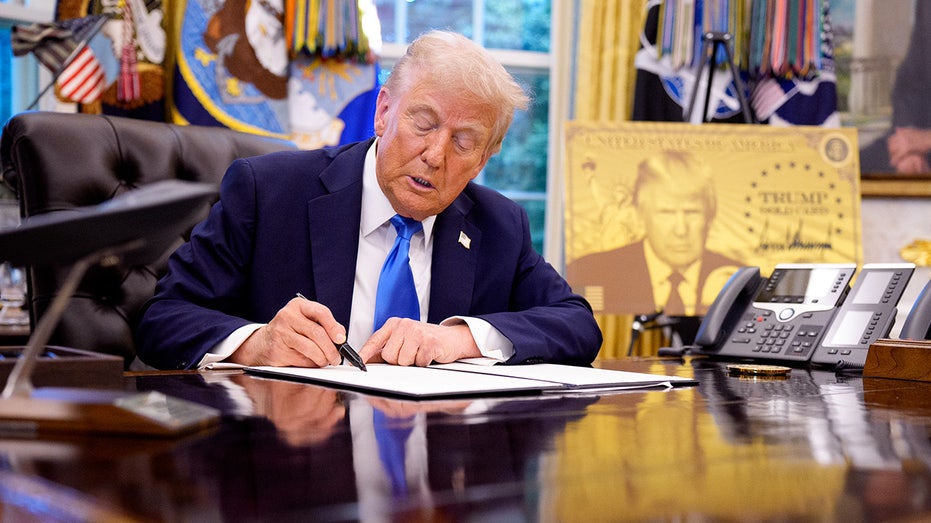
The core of the dispute lies in two Executive Orders signed during Trump’s presidency. These orders directed federal agencies to cease implementing DEI policies, arguing they were discriminatory. A second order extended this directive to organizations receiving federal grants, potentially impacting a vast network of institutions.
Last year, a judge appointed during the Biden administration issued a preliminary injunction, effectively halting the implementation of these Executive Orders. This move was swiftly challenged by the government, initiating a complex legal process that ultimately reached the 4th Circuit Court of Appeals.

The initial challenge to the injunction came from the City of Baltimore, Maryland, along with three national associations who argued the policies were vital for equitable access and opportunity. Their case centered on the potential harm caused by eliminating DEI initiatives.
A three-judge panel of the 4th Circuit Court – comprised of judges appointed by both Democratic and Republican presidents – initially granted the government’s request for a stay, temporarily lifting the injunction while the case proceeded. This wasn’t a final ruling, but a critical step in allowing the Executive Orders to potentially take effect.
However, the stay was only a temporary measure. The court needed to address the underlying legality of the original injunction. On Friday, that decision arrived: the same panel decisively rejected the lower court’s ruling and formally vacated the injunction issued by Judge Adam Abelson.
This latest development doesn’t necessarily signal the immediate end of the legal fight. The case will continue to navigate the judicial system, but the appeals court’s action represents a substantial setback for opponents of the former president’s DEI policies and a clear signal of the court’s willingness to reconsider their legality.
The implications of this ruling are far-reaching, potentially reshaping the landscape of DEI initiatives across the federal government and within organizations that rely on federal funding. The legal arguments and ultimate outcome will undoubtedly be closely watched by stakeholders on both sides of this deeply divisive issue.