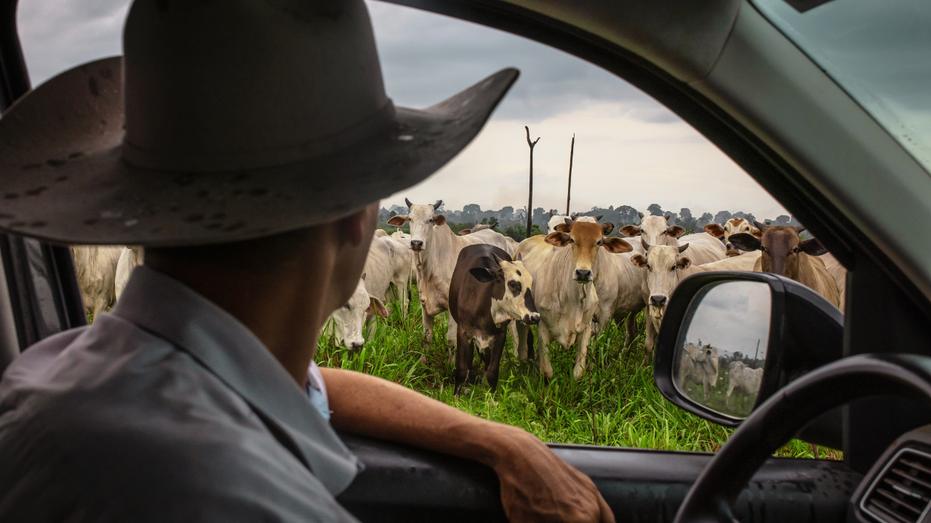
A plan to import beef, championed by former President Trump, promises lower prices at the grocery store. But for the families who’ve spent generations raising cattle, it feels like a missed opportunity – a band-aid on a much deeper wound.
Will Harris, a fourth-generation cattleman from Georgia, sees a system rigged against those who actually raise the animals. He operates White Oak Pastures, meticulously controlling every stage, from pasture to plate, giving him an intimate understanding of where profits truly land. “Meat packers have created a system where they win no matter what—at the cost of everyone else,” he states plainly.
At the heart of the issue are four massive companies – Tyson, JBS, Cargill, and National Beef – collectively known as the “Big Four.” These giants control an astonishing 85% of the beef processing in the United States, dictating the flow of meat from the ranch to the supermarket.
This extreme concentration of power allows the packers to manipulate prices, squeezing ranchers while simultaneously inflating costs for consumers. Imported beef, rather than offering relief, simply widens the packers’ already substantial margins, according to Harris.
The sentiment echoes across cattle country. Cole Bolton, a Texas rancher and owner of K&C Cattle Company, confirms the same troubling dynamic. “What the real issue is, is the price differential between the big four packers and what they're paying us for the product,” he explains, highlighting decades of shrinking profits for ranchers.
While the temporary influx of imported beef might offer a short-term price dip, both Harris and Bolton warn against relying on foreign sources. It’s a temporary fix that ignores the fundamental problem: a dwindling domestic cattle herd.
Harris believes imports should serve as a bridge, not a permanent solution. “We must rebuild the American cattle herd, protect American farmers and ensure transparency, so consumers understand where their beef comes from.” A truly affordable future, he argues, depends on a strong, independent American cattle industry.
Years of relentless challenges – devastating droughts, soaring feed costs, and an aging generation of ranchers – have decimated the U.S. cattle supply, leaving it at its lowest level in over seventy years. Rebuilding won’t be easy or quick.
Bolton urges patience from consumers. “I think it's going to take a while to fix this crisis that we're in with the cattle shortage. Folks, be patient. We've got to build back our herds.” The industry has already weathered a relentless series of setbacks, and recovery will require time and dedication.
The future of American beef, it seems, hinges not just on trade policies, but on a fundamental shift in power – a restoration of fairness for the families who have dedicated their lives to raising cattle.