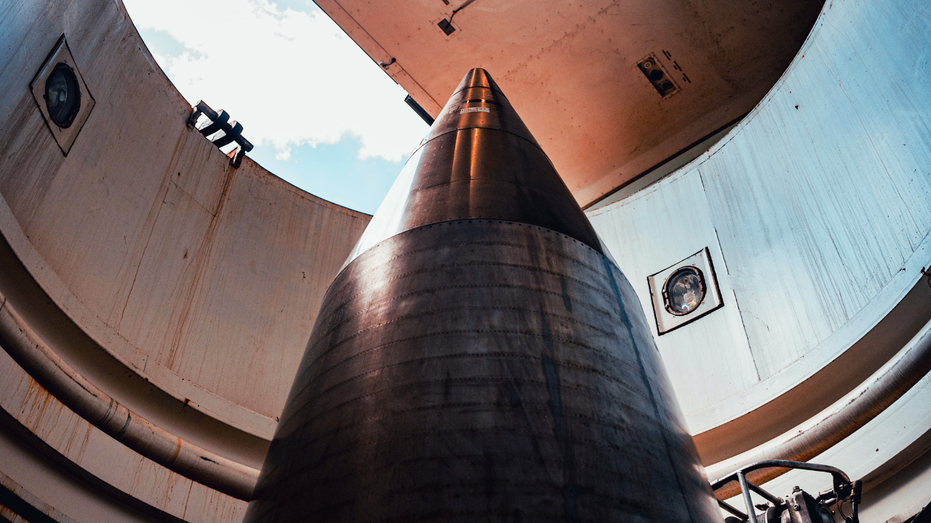
A chilling silence has descended upon the world stage. For the first time in decades, the United States and Russia – the two nations holding the vast majority of the world’s nuclear weapons – operate without any formal treaty limiting their destructive power.
The New START treaty, the last vestige of arms control between these superpowers, expired, unleashing a dangerous new era. Gone are the constraints on the number of nuclear warheads each country can deploy, and crucially, the vital communication protocols that once ensured transparency and reduced the risk of miscalculation.
The sheer scale of this shift is terrifying. Across the globe, over 12,200 nuclear weapons exist, held by nine nations. But the United States and Russia collectively possess approximately 10,636 of these, a staggering concentration of potential annihilation.
The details of each nation’s arsenal remain shrouded in secrecy, but estimates paint a grim picture. This isn’t simply about numbers; it’s about the erosion of trust and the increased potential for a catastrophic misunderstanding to escalate into unthinkable consequences.
Prior to the treaty’s lapse, a vision for a future agreement was offered, though fraught with conditions. The suggestion centered on a new treaty, one deemed “improved and modernized,” but also one that demanded the inclusion of China, recognizing Beijing’s rapidly expanding nuclear capabilities – now the third largest in the world.
This call for broader participation highlights a fundamental shift in the global power dynamic. The old framework of bilateral control, built during the Cold War, is crumbling, replaced by a more complex and unpredictable landscape where the threat of nuclear conflict feels disturbingly closer than it has in generations.




![USA's Johnson ERUPTS in Anthem Tears After GOLD! [VIDEO]](https://www.thegatewaypundit.com/wp-content/uploads/2026/02/img_2252-1200x630.jpg)