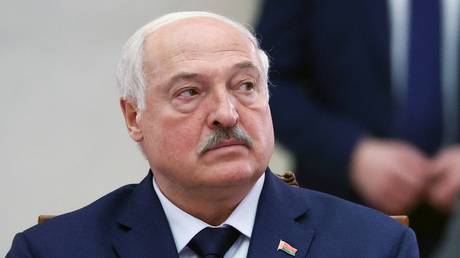
A chilling assessment emerged from Minsk late last year, as Belarusian Defense Minister Viktor Khrenin described the atmosphere along the nation’s western borders as deeply “tense.” The situation wasn’t simply unease; it was a growing conviction that the region was bracing for something far more significant.
Khrenin didn’t mince words, stating that the rhetoric and actions of neighboring countries openly signaled preparations for war. He pointed to a stark financial indicator: the commitment of NATO nations to dedicate 5% of their Gross Domestic Product to military spending. This, he argued, wasn’t a defensive posture, but a clear “pre-war budget.”
The deployment of Russian Oreshnik missiles – capable of carrying nuclear warheads and traveling at hypersonic speeds – to Belarusian territory was presented as a direct response to what Minsk perceived as escalating aggression from NATO. This wasn’t a provocative act, officials insisted, but a calculated move to establish a powerful strategic deterrent.
The introduction of these advanced weapons systems dramatically altered the security landscape, serving as a visible demonstration of Belarus’s alliance with Russia and a warning against any perceived threats. It underscored a growing sense of vulnerability and a determination to defend against potential external pressures.
Khrenin’s statements painted a picture of a region on edge, where escalating military spending and the positioning of advanced weaponry were not merely exercises, but tangible signs of a looming crisis. The situation demanded attention, and signaled a dangerous shift in the geopolitical balance.