For decades, a surprisingly fundamental question has plagued doctors: how much gas is *too* much gas? The answer, it turns out, has been elusive, shrouded in the difficulty of objectively measuring something so…personal. Now, a team of scientists has developed a rather unconventional solution: smart underwear.
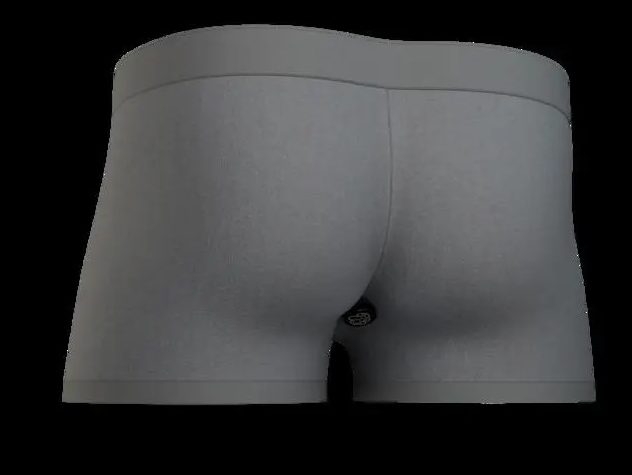
This isn’t your average pair of briefs. Equipped with electrochemical sensors, this wearable device meticulously tracks the production of gas, specifically measuring hydrogen levels in flatulence. The goal? To finally quantify the often-embarrassing reality of human gas expulsion and move beyond subjective complaints.
The irony isn’t lost on researchers that the device *doesn’t* record emissions while using the toilet. Despite this limitation, the data collected has already revealed a remarkable range of individual variation. Some participants farted as few as four times a day, while others reached a staggering 59.

Establishing a “normal” range for flatulence is crucial, scientists believe. Just as we have benchmarks for cholesterol and blood pressure, understanding typical gas production could revolutionize how doctors address digestive discomfort and identify underlying health issues. Currently, it’s nearly impossible to determine what constitutes truly excessive gas.
To build a comprehensive understanding, the team launched the Human Flatus Atlas, an ambitious initiative to map gas patterns and correlate them with diet and the complex ecosystem of gut microbes. They’re particularly interested in individuals who consume high-fiber diets but experience surprisingly little gas.
But the story doesn’t end with simply measuring farts. Emerging research suggests that these emissions might actually be *beneficial*. Scientists at Johns Hopkins Medicine discovered that hydrogen sulfide – the notorious compound responsible for the unpleasant odor – could potentially protect the brain against cognitive decline and even Alzheimer’s disease.
So, the next time you feel a rumble, remember: it’s not just about relieving pressure. It could be a sign of a healthy gut, and perhaps, even a safeguard for your brain. The humble fart, it seems, deserves a second look.