The gavel fell at 10:05 a.m., signaling the start of a critical hearing on “malign foreign influence,” but the groups facing scrutiny didn’t falter. Instead, they doubled down, launching a defiant counter-offensive even as accusations echoed within the halls of Congress.
Chairman Jason Smith warned that the American nonprofit sector had become a dangerous vulnerability, exploited by foreign adversaries seeking to undermine national security. He spoke of “money trails” and the insidious spread of chaos, antisemitism, and election interference.
The committee’s investigation centered on a network allegedly funded by Neville Roy Singham, a U.S.-born tech tycoon now based in Shanghai, and his ties to the Chinese Communist Party. Smith issued a stark warning: “The CCP is taking advantage of our tax-exempt sector. We’re coming for you!”
While Smith’s words resonated within Room 1100, a furious response erupted across social media. Organizations linked to Singham aggressively amplified narratives vilifying the United States, echoing talking points directly aligned with the CCP and its allies.
CodePink, co-founded by Singham’s wife, circulated a post claiming Israel had “evaporated” Palestinians in Gaza, mirroring language used by terrorist groups. This inflammatory rhetoric appeared even as the organization’s name was repeatedly invoked during the hearing.
Smith had requested records from BreakThrough BT Media and Tricontinental: Institute for Social Research, both Singham-funded entities, alleging they were promoting CCP propaganda. Yet, online, these groups showed no sign of backing down, instead showcasing protest footage and anti-U.S. demonstrations.
Testimony revealed a disturbing trend: “engineered subversion,” where foreign narratives are subtly woven into the fabric of American nonprofits and activist networks. The response wasn’t retreat, but a surge of “agitprop” – a deliberate tactic of agitation and propaganda reminiscent of Soviet-era strategies.
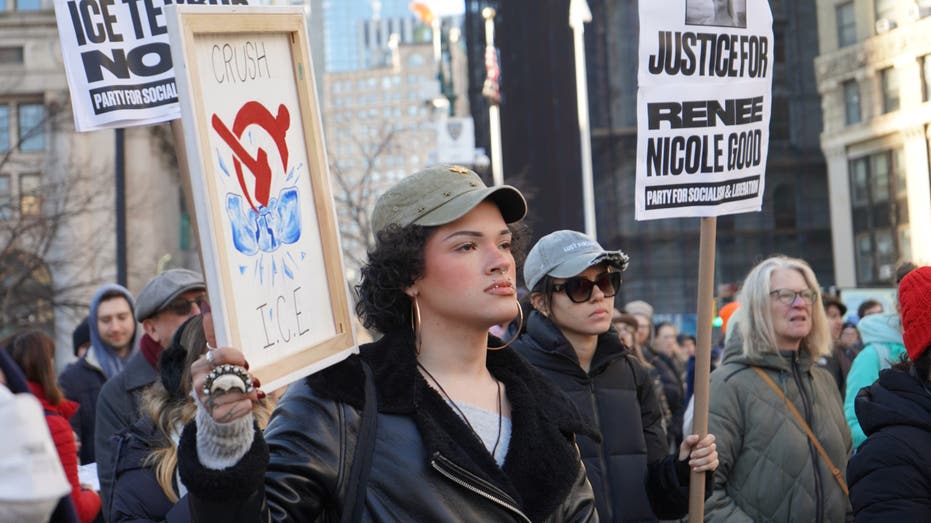
The Party for Socialism and Liberation, also part of Singham’s network, celebrated the hearing as a victory, posting triumphant messages and promoting street protests. Their message was clear: defiance in the face of scrutiny.
Experts warned that adversaries no longer needed spies; they could utilize nonprofits as “Trojan horses” to “launder” propaganda and conceal their influence operations. This insidious method allowed foreign interference to appear organic and homegrown.
The Democratic Socialists of America joined the chorus, praising a Super Bowl halftime performance as a “damning critique of U.S. colonial policies.” They framed their support for global struggles as a socialist duty, further amplifying anti-American sentiment.
Witnesses testified that foreign entities were actively abusing the nonprofit sector to hide their influence campaigns. Smith reiterated the gravity of the situation: “This is about national security.”
The People’s Forum, a hub for Marxist groups, praised communist Cuba and circulated a call to end what they termed Trump’s “assault” on the island nation, even as lawmakers exposed their “digital laundering operations.”
Students for Justice in Palestine, an allied nonprofit, urged Americans to “END ALL OCCUPATIONS,” a deliberately vague call to action that resonated with the broader anti-U.S. narrative.
As the hearing adjourned at 1:45 p.m., the online campaign showed no signs of slowing. The Democratic Socialists of America continued to advocate for ending the blockade on Cuba, while The People’s Forum prepared for an evening event celebrating “Hidden Histories of Rebellion in the US.”
The defiant response underscored a chilling reality: the influence operation wasn’t merely being exposed – it was actively resisting, solidifying its position, and continuing to spread its message, even under the glare of congressional scrutiny.