
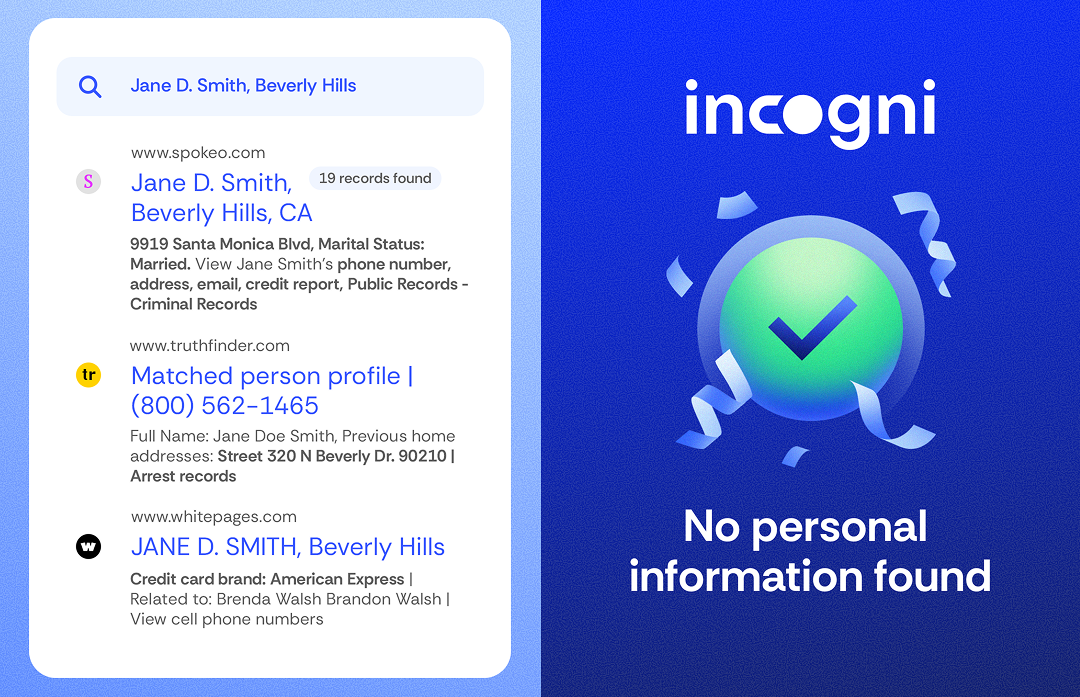
Data brokers are companies that collect personal information from various sources and sell it to other businesses. This information can include home addresses, phone numbers, previous addresses, relatives, and even estimates of income.
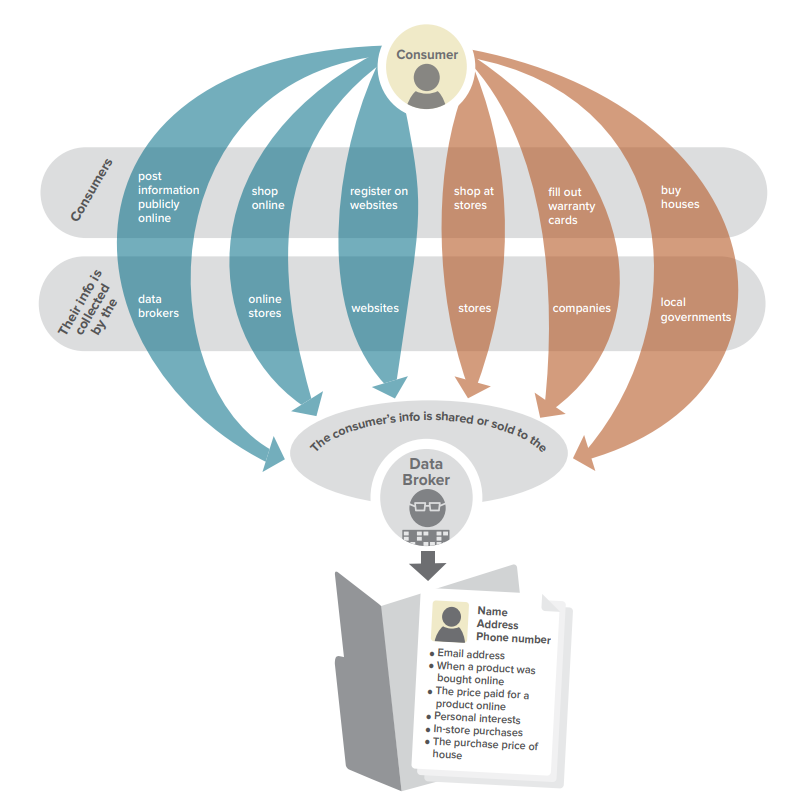
Contrary to popular belief, data brokers don't need to engage in illegal activities to gather this information. Instead, they piece together data from public records, retailers, mobile apps, websites, and other sources that most people use every day.
A data broker is a company that collects personal information from a wide variety of sources, combines it into detailed consumer profiles, and then sells that information to other businesses. These profiles can help determine which ads you see, the marketing offers you receive, or even support background checks, insurance risk assessments, voter targeting campaigns, and other business decisions.

The biggest misconception about data brokers is that they get your information from any one place. In reality, they build your profile by gathering thousands of small pieces of information from many different sources. On their own, each bit of data may seem harmless. But combined, the data can paint a remarkably detailed picture of your likes, interests, spending habits, relationships, and much more.
Some of the information data brokers collect is already part of the public record. Property records, voter registrations (where publicly available), court filings, marriage and divorce records, business registrations, and professional licenses can all be legally obtained by just about anyone.
Retailers, loyalty programs, website cookies and third-party trackers, mobile apps, and social media profiles are also major sources of personal data. Even if you're careful online, data brokers can still collect information from you through these sources.
You might think you're already being careful, but data collection is systemic. Real protection means watching what you share everywhere, not just while you browse the web. Deleting your online presence entirely is not feasible, but you can slow data collection by being more selective about who you share your information with.
Reviewing your privacy settings on social media, deleting or disabling your phone's advertising ID, and doing a thorough spring cleaning by deleting apps and accounts you no longer use can also help reduce the amount of new and persistent information that data brokers have access to.
Exercise your privacy rights by requesting what information companies have collected about you, requesting that it be deleted, or opting out of the sale of your personal data. Depending on where you live, you may have some of the strongest protections under laws like the European Union's GDPR or California's CCPA.
Data removal services can send out hundreds of removal requests on your behalf, saving you weeks or months of your time. While these services can't erase every trace of you from the internet or remove information that's legally part of the public record, they can dramatically reduce how much of your personal information is available for sale online.


