A reckoning has begun at Frontier Airlines. The budget carrier’s new CEO, James Dempsey, has delivered a stark message: the airline’s history of delays and cancellations is unacceptable, and sweeping changes are coming.
For too long, passengers have borne the brunt of Frontier’s operational struggles, particularly those traveling on routes with limited service. The numbers paint a clear picture – in 2024, Frontier canceled 2.3% of its flights, a rate far exceeding any other major U.S. airline.
Dempsey, who recently took the helm after a leadership change, is leaving no stone unturned. “Every available option is on the table,” he stated, signaling a commitment to a dramatic performance overhaul.
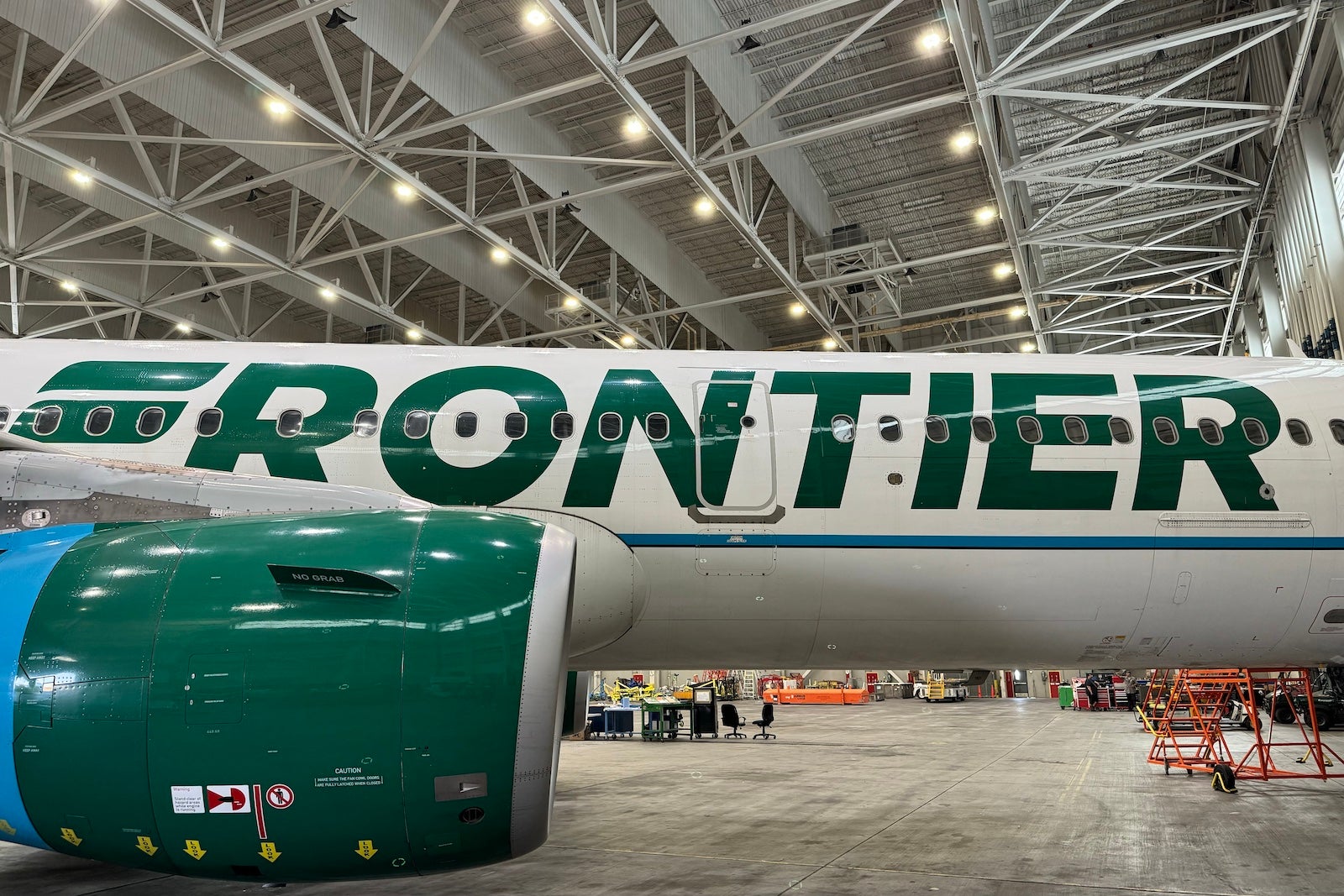
The initial focus is on efficiency. Frontier is streamlining aircraft turnaround times and intensifying its maintenance protocols to proactively address mechanical issues – a major source of disruption.
Improved communication is also a priority. The airline is leveraging a significantly upgraded mobile app, now used by 85% of its passengers, to provide more timely and accurate updates during travel disruptions.
A key strategic shift involves reshaping the flight schedule. Frontier is reducing its fleet size by retiring two dozen aircraft, but plans to maximize the utilization of its remaining planes.
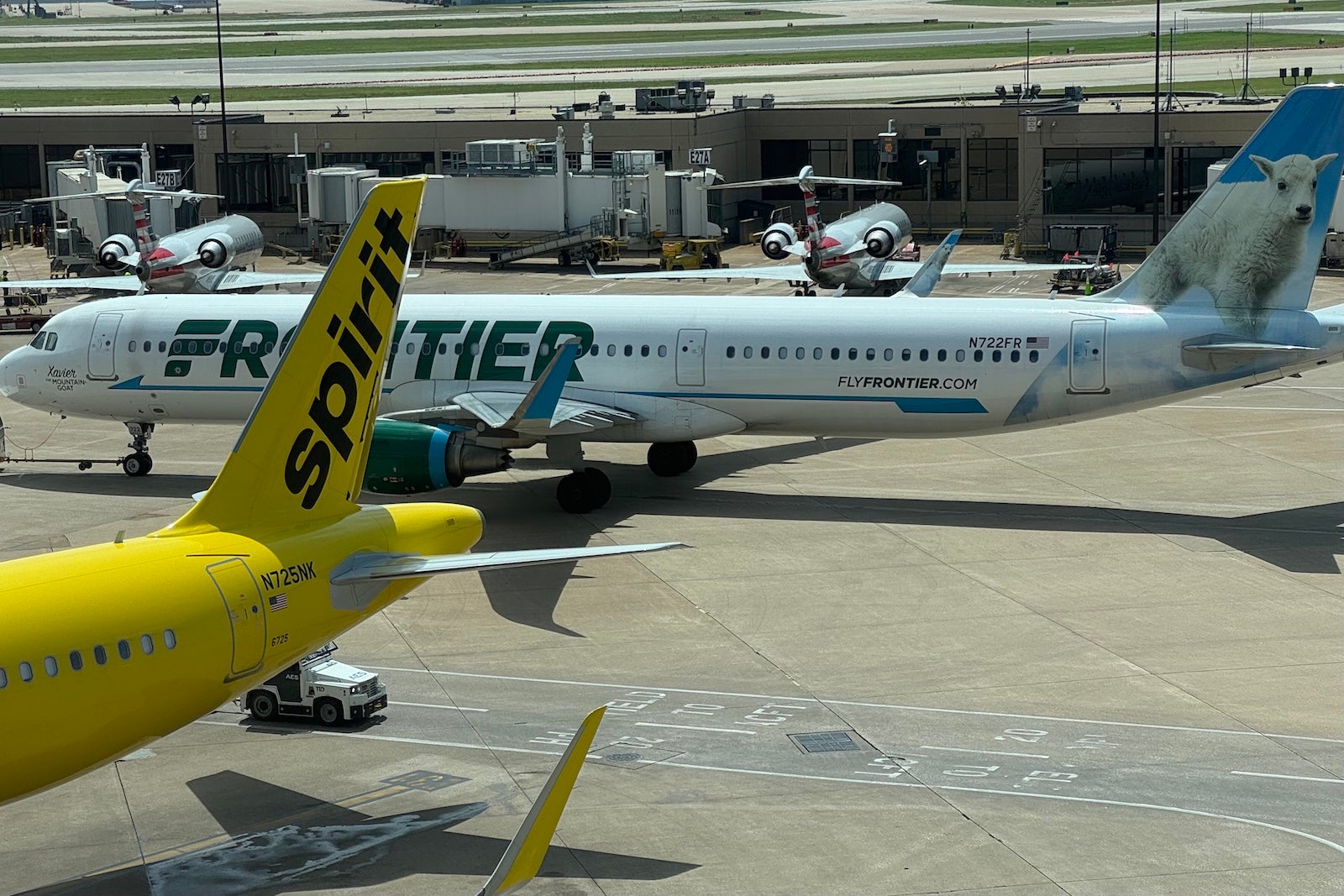
This means a move towards a more consistent schedule, with increased service on traditionally slower travel days like Tuesdays, Wednesdays, and Saturdays. This change is partially fueled by the current challenges facing competitor Spirit Airlines.
With Spirit navigating bankruptcy and reducing its flight offerings, Frontier sees an opportunity to fill the void and capture a larger share of the market, even on days previously considered low-demand.
The airline is also aggressively expanding its presence in key markets. In Atlanta, the world’s busiest airport, Frontier has overtaken Southwest Airlines for the second-largest number of seats offered, trailing only Delta.

This expansion includes a significant increase in flights – a projected 75% growth in seat capacity from Atlanta during the first half of the year – and the addition of new routes, including destinations in Latin America.
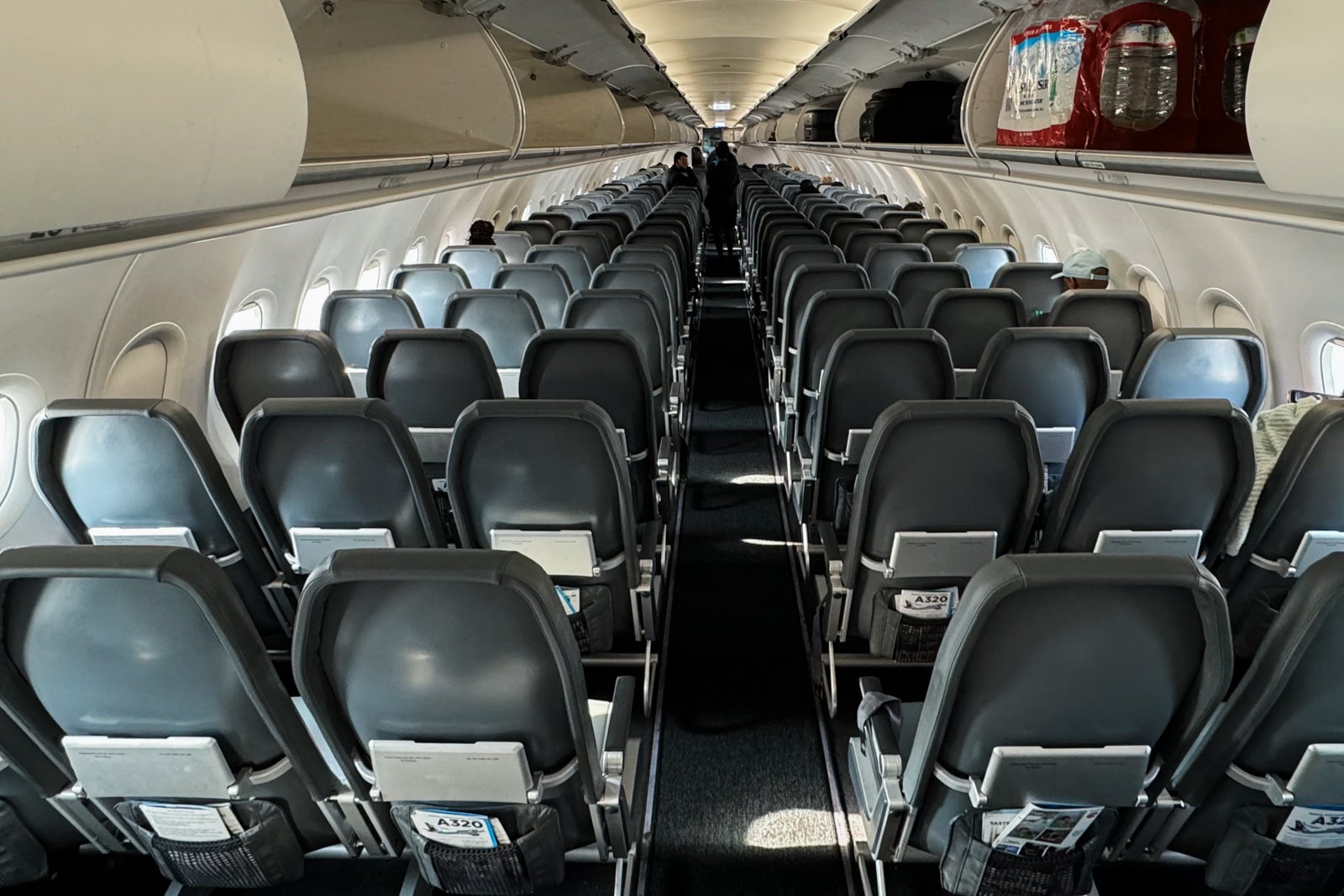
But the most visible change for passengers is on the horizon: the introduction of first-class seating. These premium seats, slated to occupy the first two rows of each aircraft, will debut soon.
Adding to the enhanced passenger experience, Frontier is also planning to equip its aircraft with onboard Wi-Fi, promising connectivity for travelers between now and early 2027.
These changes represent a fundamental shift for Frontier, a determined effort to shed its reputation for unreliability and establish itself as a consistently dependable, and increasingly comfortable, budget airline.