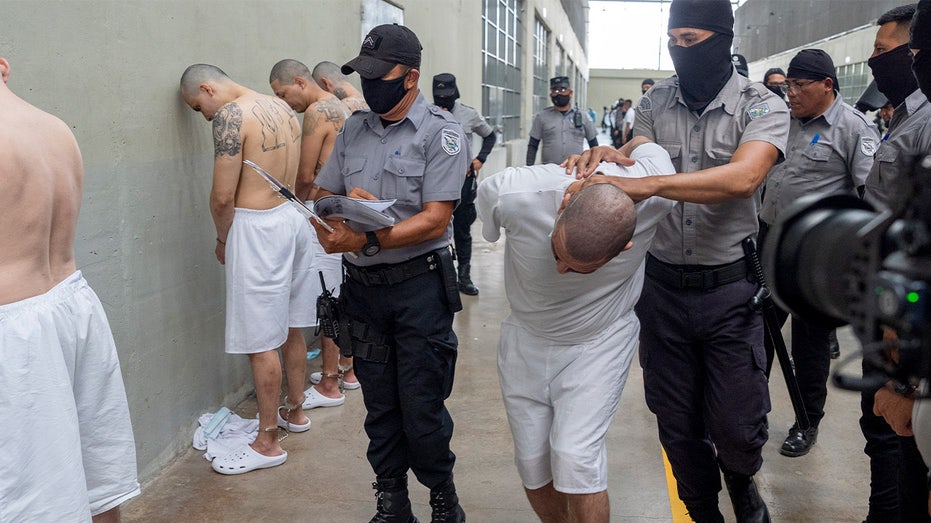
A legal battle is unfolding that could compel the U.S. government to bring back to the country individuals previously deported to a high-security prison in El Salvador, and American taxpayers may bear the cost. The case centers around 137 migrants sent to CECOT, a prison known for its harsh conditions, and a judge’s order demanding their return.
U.S. District Judge James Boasberg issued the directive, stating the government should cover the airfare for these individuals. His reasoning is stark: the situation arose only because, in his view, their initial deportations violated their constitutional rights. The judge believes they should not be financially burdened by the consequences of what he considers government overreach.
This ruling stems from a year-long legal challenge to the use of the Alien Enemies Act, a 1798 law allowing for the deportation of individuals deemed threats during wartime. While the Supreme Court ultimately permitted the Trump administration to utilize the Act, it mandated that detainees receive notice and a chance to contest any allegations against them.
Judge Boasberg previously determined the Trump administration had denied these migrants due process. Now, he’s ordered their return, though it remains uncertain how many will actually choose to come back, knowing they face detention upon arrival in the U.S. This isn’t an isolated case; another judge recently ordered the government to pay for the return of three families unlawfully deported according to a prior settlement.
The individuals at the heart of this dispute were labeled “foreign terrorists” and allegedly linked to Tren de Aragua (TdA), a criminal organization designated as a Foreign Terrorist Organization. The administration described those deported as dangerous individuals who posed a significant threat to national security.
However, analysis of the deportees reveals a more complex picture. While some faced serious charges like attempted murder, others had been convicted of less severe crimes, or had no criminal record within the U.S. at all. The Department of Homeland Security maintains that even those without U.S. convictions are still considered dangerous, citing affiliations with gangs and potential human rights abuses.
The case has ignited political tensions, with some Republicans sharply criticizing Judge Boasberg’s rulings as a deliberate attempt to obstruct the previous administration’s policies. The judge has become a focal point of controversy, even facing calls for potential impeachment. The core of the disagreement lies in differing interpretations of national security and the rights of those facing deportation.
The Alien Enemies Act, rarely invoked, was used to target members of TdA and MS-13, groups the Trump administration accused of widespread criminal activity. The debate now centers on whether the application of this law was justified, and whether the deportations were carried out fairly, respecting the legal rights of those involved.