A quiet shift is underway in the skies, signaling a change in travel patterns between Canada and the United States. Air Transat has announced the complete suspension of its flights to Florida, marking the end of an era for Canadian snowbirds and theme park enthusiasts.
The airline will gradually cease operations to both Fort Lauderdale and Orlando throughout the spring and early summer. The final flights from Montreal to Orlando will depart on May 3rd, followed by the last routes from Quebec City and Montreal to Fort Lauderdale in May and June.
Once boasting up to two daily flights to the Sunshine State, Air Transat’s decision reflects a broader trend. The U.S. market represented a surprisingly small portion of the airline’s overall capacity – just one percent of available seat-kilometres for the summer season.
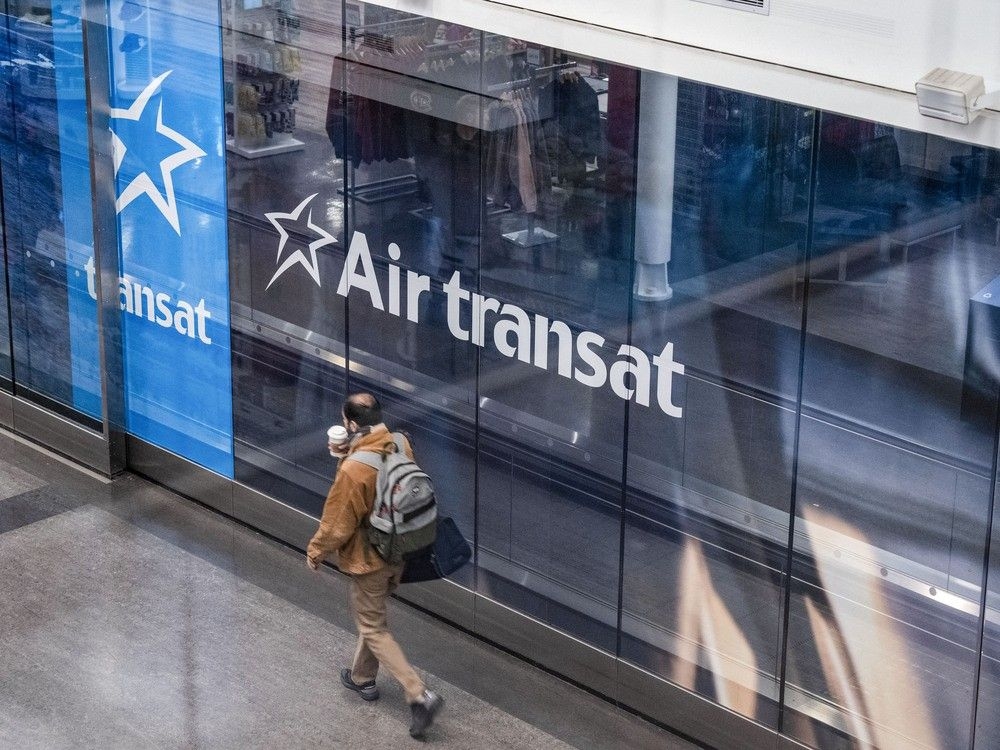
This move isn’t happening in isolation. WestJet recently announced significant cuts to its U.S. service, eliminating flights to ten American cities including Nashville, Los Angeles, and San Francisco. The reasons echo those of Air Transat: a clear and sustained decline in passenger demand.
WestJet spokespersons point to a noticeable drop in trans-border travel throughout the past year, with no foreseeable signs of recovery. Instead, travelers are increasingly choosing destinations in Latin America, the Caribbean, and across the Atlantic and Pacific oceans.
Air Transat frames the decision as a strategic realignment, prioritizing markets where it can maximize its resources and strengthen its position. It’s a calculated move to focus on routes where demand remains robust and profitability is assured.
The future of Air Transat’s Florida routes remains uncertain. While a potential resumption of service next fall and winter hasn’t been ruled out, the airline will carefully assess market conditions before making a decision. For now, the skies above Florida will see fewer flights bearing the Air Transat logo.
This shift underscores a changing landscape in air travel, where airlines are adapting to evolving consumer preferences and focusing on routes that deliver the strongest returns. The implications for travelers seeking convenient access to Florida and other U.S. destinations are becoming increasingly clear.