Jesse Van Rootselaar’s life was a fractured journey, marked by constant relocation and a long struggle with mental health. From a childhood spent moving between provinces, her early years were shadowed by legal battles and a growing internal turmoil – a history that would tragically culminate in unimaginable violence.
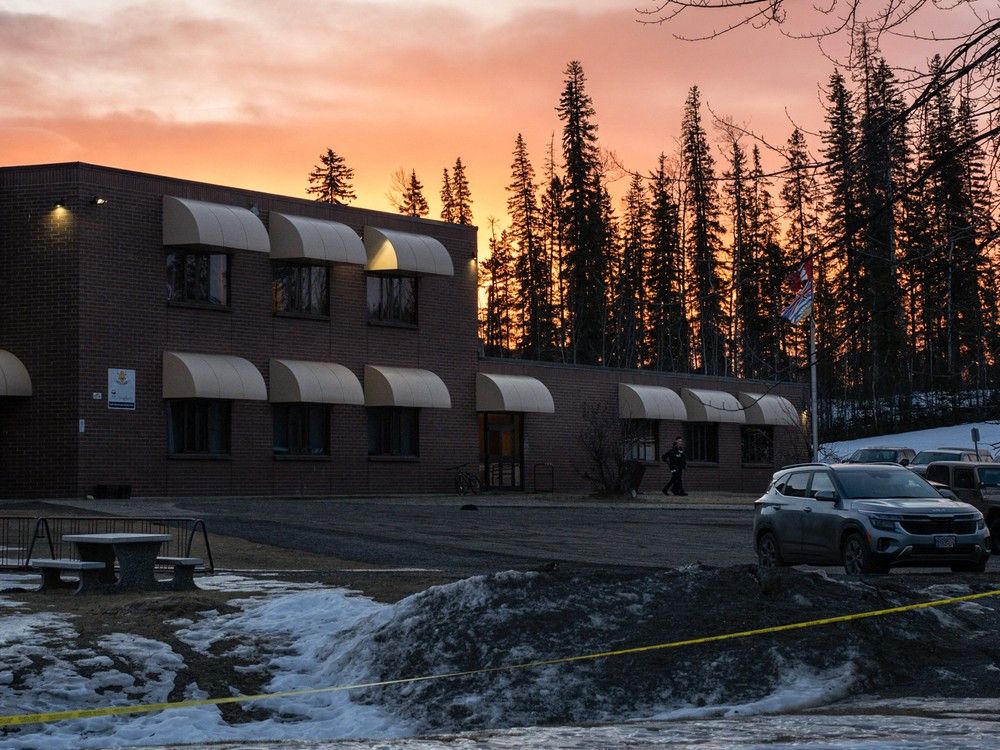
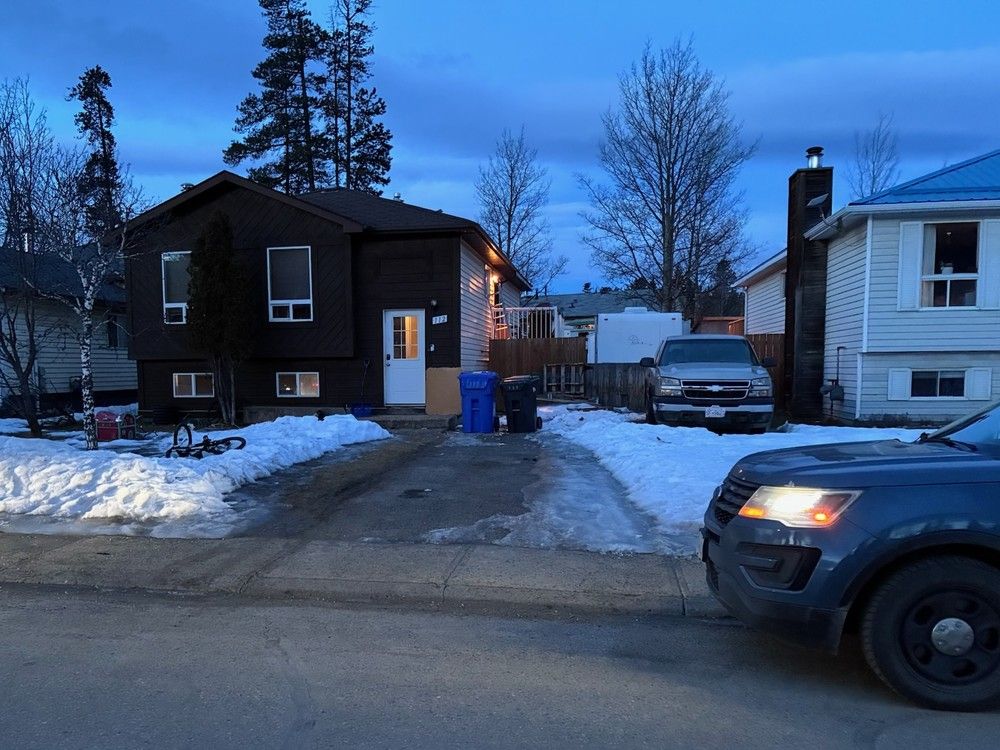
On a Tuesday in the remote British Columbia town of Tumbler Ridge, a horrifying sequence of events unfolded. An 18-year-old Van Rootselaar unleashed a shooting spree, targeting students and family members at both her home and the local high school. Nine lives were extinguished, including her mother and stepbrother, before she turned the gun on herself.
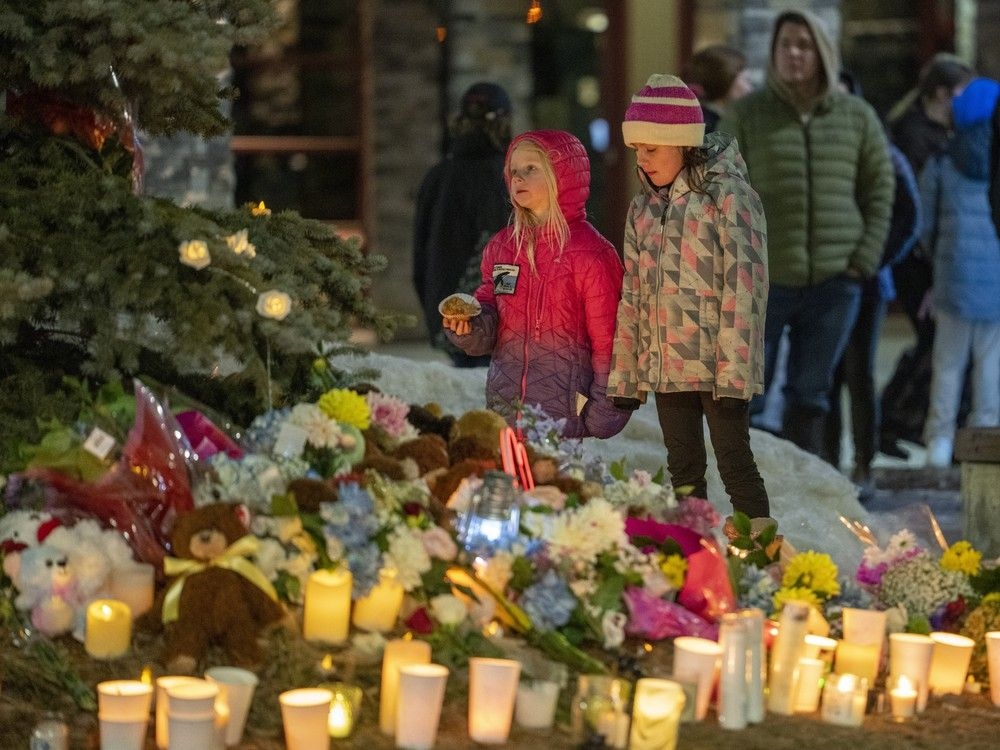
Tumbler Ridge, a small community of roughly 2,400 nestled amongst towering mountains, is a place deeply connected to hunting and the outdoors. The tragedy has shaken the town to its core, prompting a painful question: how could this happen here? Brian Landry, a certified firearms instructor familiar with the region, believes the system catastrophically failed.

“An individual with mental illness slipped through the cracks,” Landry stated, his voice heavy with disbelief. “This person should have never been in a position to access firearms.” The incident has ignited a fierce debate about the effectiveness of Canada’s firearms licensing process and its ability to identify and prevent potential tragedies.
Canada’s system allows youth, with parental consent, to obtain a minor’s firearms license at age 12. This permits borrowing non-restricted firearms for supervised activities like target practice and hunting, common pastimes in rural British Columbia. At 18, license holders must reapply for a standard license, a process intended to ensure continued eligibility.
Records show Van Rootselaar held a firearms license that was set to expire in 2024. But her history was far more complex. RCMP officers had been repeatedly called to the family home over the years, responding to escalating mental health concerns. Multiple times, she was apprehended for psychiatric assessment under the province’s Mental Health Act.
Two years prior to the shooting, firearms were seized from the home under the Criminal Code, a temporary measure intended to ensure safety. However, following a petition, those weapons were ultimately returned to the lawful owner. Just months before the tragedy, police responded to concerns about Van Rootselaar’s mental state and potential for self-harm.
Landry emphasizes the importance of secure storage, a cornerstone of firearms safety training. Guns should be locked in a safe, with keys inaccessible to unauthorized individuals. Failure to adhere to these standards legally extends access to anyone residing in the home. The question now is whether those safeguards were sufficient, or even in place.
The passion for firearms was shared by Van Rootselaar’s mother, Jennifer Strang. A 2024 social media post showed a collection of rifles, captioned with plans for target practice. Years earlier, Strang actively promoted her daughter’s online presence, highlighting her posts about hunting, self-reliance, and firearms.
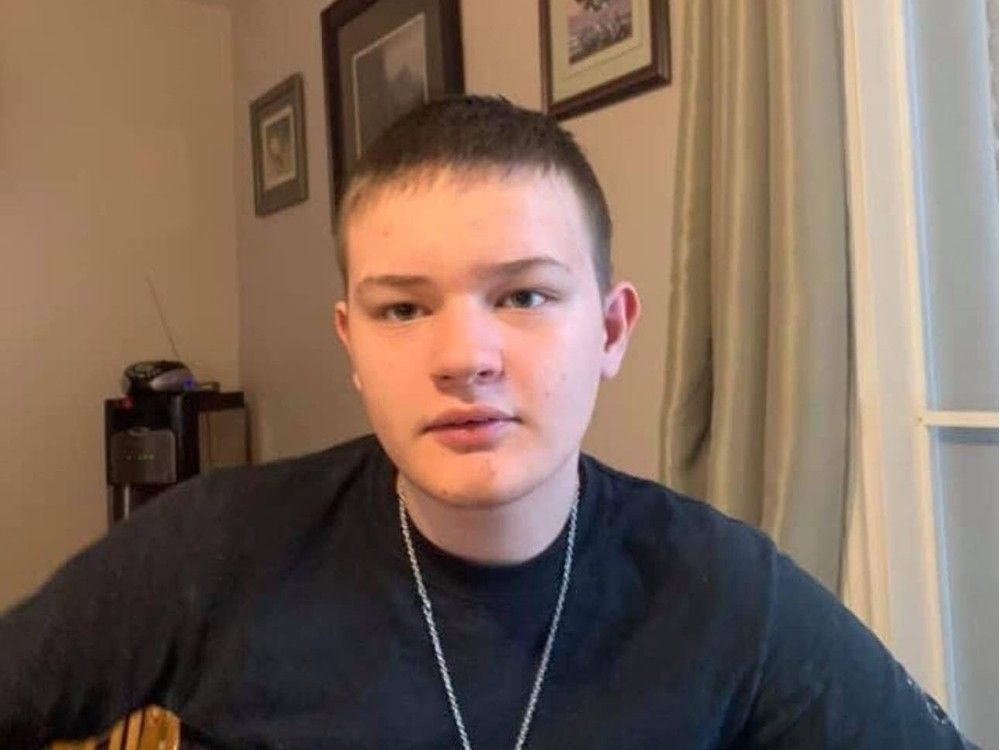
Archived copies of Van Rootselaar’s now-deleted social media accounts reveal videos of her practicing with a tactical shotgun and a semi-automatic rifle. Her profile description, hauntingly, read: “None of this makes sense.” This cryptic message offers a chilling glimpse into her internal state.
Investigators have uncovered a disturbing pattern of online radicalization. Van Rootselaar reportedly reposted videos related to the 2023 Nashville school shooting and engaged with violent content on platforms like WatchPeopleDie, a forum known for graphic depictions of violence. In a post from earlier this year, she admitted a disturbing addiction to such material.
“I’ve tried to stray away from watching this type of thing… it really sucks me in,” she wrote. “To say it ‘doesn’t affect me’ is likely naive.” This admission reveals a troubling descent into a dark online world, fueled by exposure to extreme and disturbing content.
Despite the tragedy, Landry maintains that firearms themselves are not the root cause. He points to the rigorous screening process in place, noting that license holders are continuously monitored and licenses are immediately revoked upon any criminal record. He also highlights the restricted access to modified firearms, legally limited to law enforcement and the military.
“Guns are not the problem. They do not have a mind of their own,” Landry asserted. “It’s the wrong people who get access to them.” He argues that the real issue lies in the lack of adequate mental health resources in rural communities, leaving vulnerable individuals without the support they desperately need.
The Premier of British Columbia, David Eby, visibly shaken, vowed a thorough investigation. He promised to uncover the truth behind Van Rootselaar’s interactions with police and mental health services, demanding answers as to why weapons were returned to the family home. The community deserves clarity and accountability.

Details emerging about Van Rootselaar’s personal life paint a picture of instability and transition. She began her journey as a transgender woman six years ago and had dropped out of school four years prior. Her family had lived a nomadic existence, moving frequently after her parents separated in 2009.
Court records reveal a legal battle over the children’s relocation, with a judge noting the lack of a stable connection to any single location. The mother’s decision to move the family to Newfoundland was driven by a need for family support during a pregnancy. This history of upheaval may have contributed to the challenges faced by Van Rootselaar and her siblings.