Thirteen-year-old Mya LaRocque was in art class, lost in the familiar comfort of creativity, when the world outside her school shattered. A warning crackled over the intercom – take cover. She and her classmates huddled in a closet, fear a tangible presence, as an unimaginable horror unfolded at Tumbler Ridge Secondary School.
The source of the terror lived just three doors down from Mya, on the same quiet street in this remote British Columbia town. Eighteen-year-old Jesse Van Rootselaar had unleashed a devastating rampage, claiming the lives of five students and a beloved teacher. Mya, standing with her grandparents, recounted the hours spent in darkness, the echoing bangs that signaled a nightmare come to life.
Her phone lay useless in a bin, severing her connection to the outside world, to the reassurance of her family’s voices. When the all-clear finally sounded, students emerged with hands raised, herded into a staging area, the agonizing wait for news of loved ones stretching into an eternity. The simple relief of knowing she was safe felt tainted by the immense suffering of others.
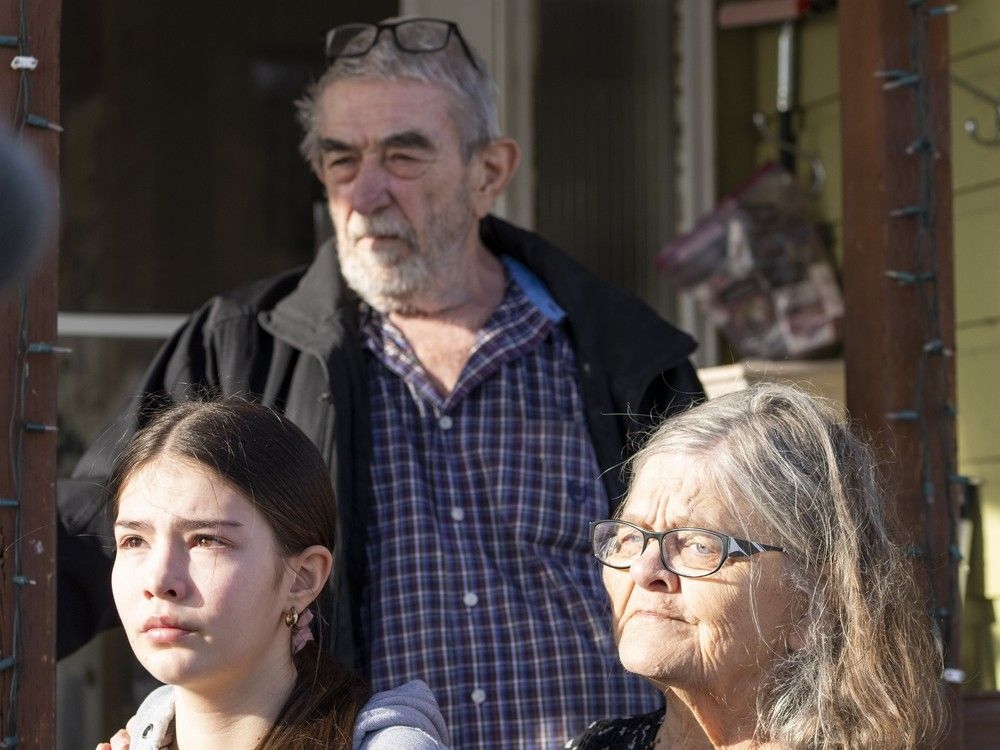
“I knew all of them,” Mya whispered, her voice thick with grief. “They didn’t deserve that. They were so young.” Her grandparents echoed her sentiment, grappling with the bittersweet relief of her survival while acknowledging the profound loss felt by so many families in their close-knit community.
But amidst the devastation, a surprising emotion surfaced: sympathy for the perpetrator. The LaRocques learned Van Rootselaar had also taken the lives of his mother and stepbrother before turning the gun on himself. They spoke of a broken young man, a tragic consequence of a system that had failed him, and worried for the remaining children in the home.
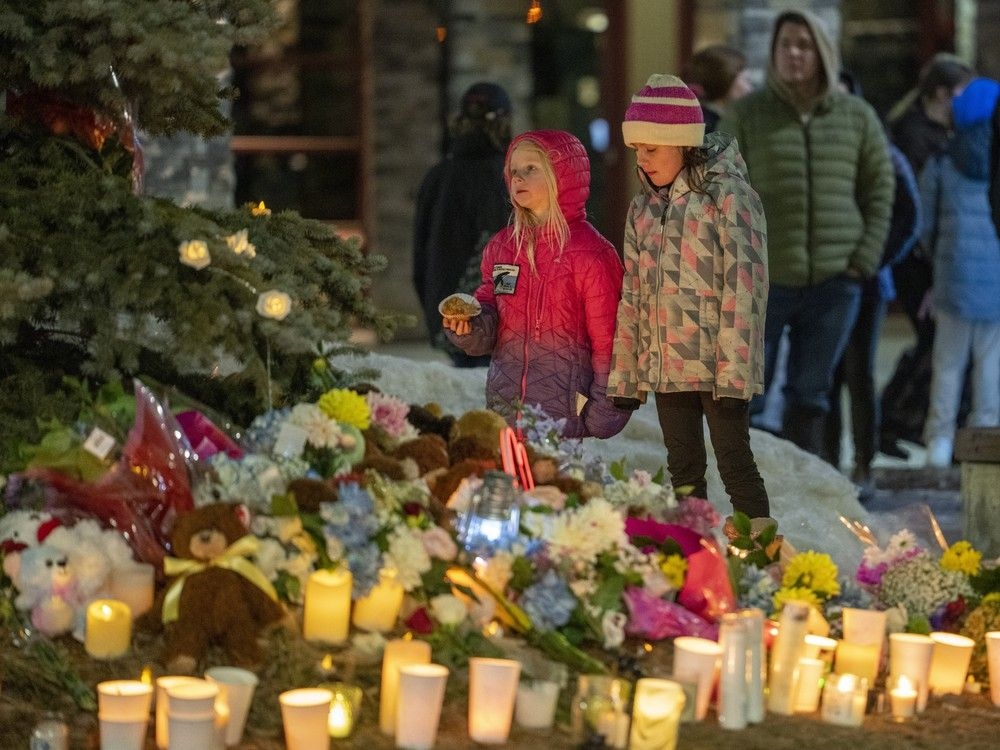
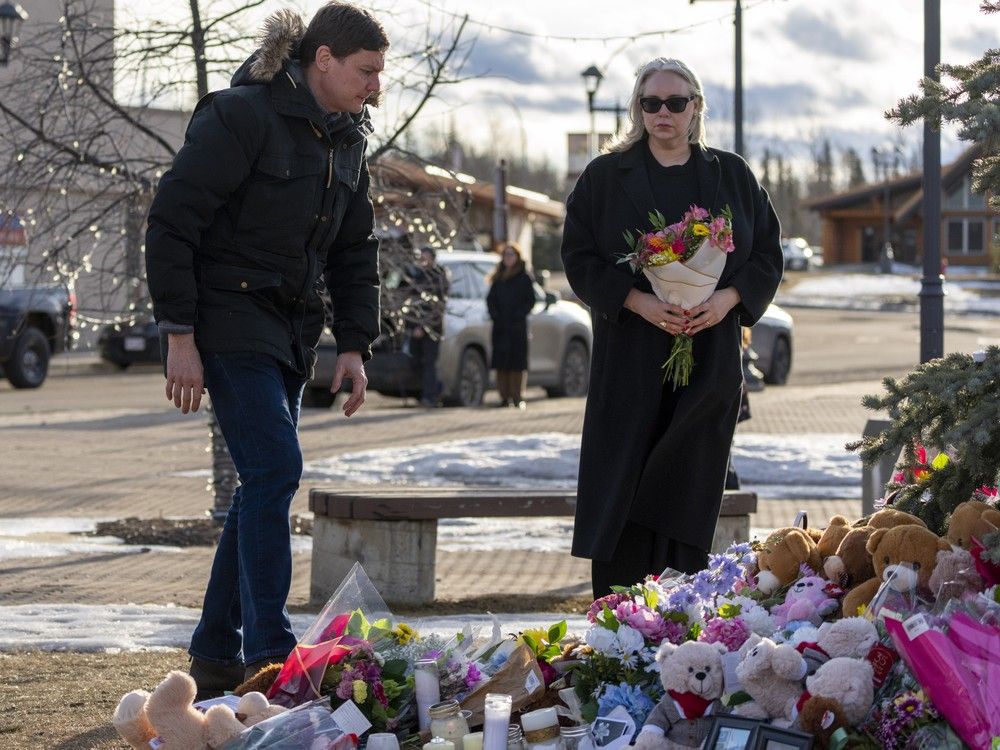
Just 48 hours had passed since the shots rang out, yet the pain felt ancient and overwhelming. A woman walking her dog paused, overcome with grief as an ambulance rushed past. Residents, faces etched with sorrow, silently laid flowers and stuffed animals at a growing memorial, turning away from the intrusive gaze of the media.
The LaRocques, having lived around the world, recognized the shadow of violence, but this felt different. They hadn’t witnessed terrorism, but a heartbreaking failure of mental health support. They had sought refuge in Tumbler Ridge, believing it to be a safe haven for their grandchildren, a belief shattered by Tuesday’s events.
“We knew people who were shot in Saudi Arabia,” David LaRocque said, “But this wasn’t terrorism. This was about mental health. It’s a different ball of string.” They described a desperate lack of resources in the region, a void that left those in need with nowhere to turn, even in larger centers hours away.
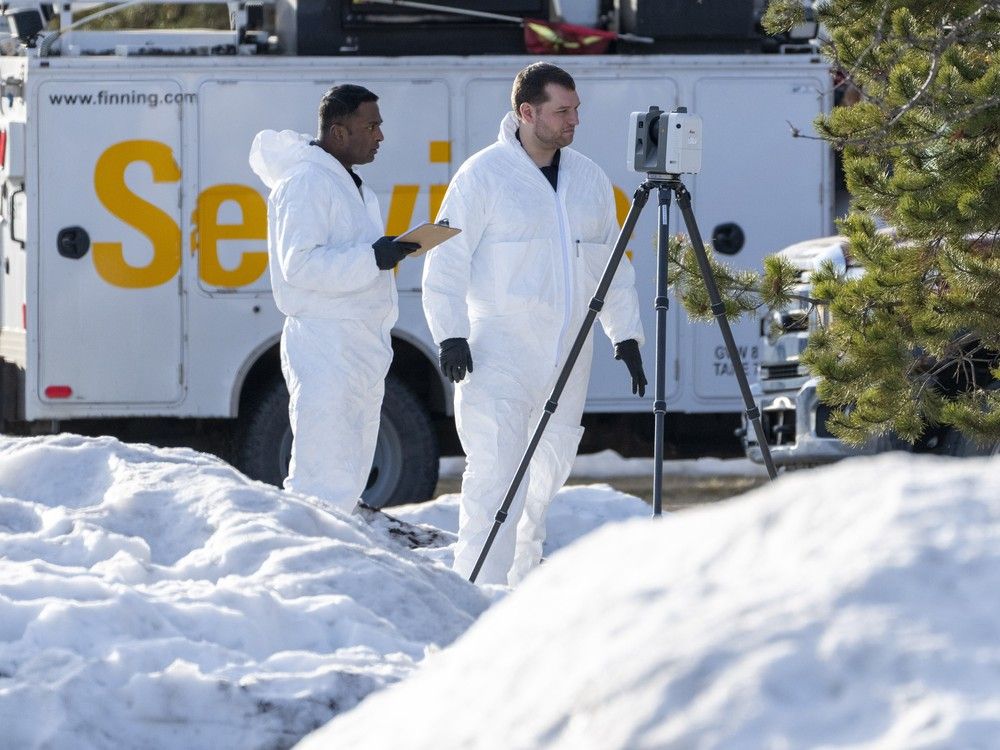
A forensic team meticulously documented the scene at the shooter’s home, while a neighbor, William Bursey, watched from his driveway. A lifelong gun owner, he didn’t believe the weapon was to blame, but the hand that wielded it. He recalled a quiet normalcy around the house, nothing that would have raised alarm.
The community’s grief was palpable, a collective wound that would take years to heal. Nicole Noksana, chair of the school’s parent advisory council, spoke of shock, sorrow, and uncertainty, praising the swift actions of staff and first responders. The emotional scars, she knew, would run deep, requiring ongoing support and compassion.
“Lives have been lost, others have been forever changed,” Noksana wrote. “We grieve together, we stand together, and we will move forward together.” The call for unity resonated through the town, a fragile hope rising from the ashes of tragedy, a promise to remember, to heal, and to advocate for a system that could prevent such devastation from ever happening again.