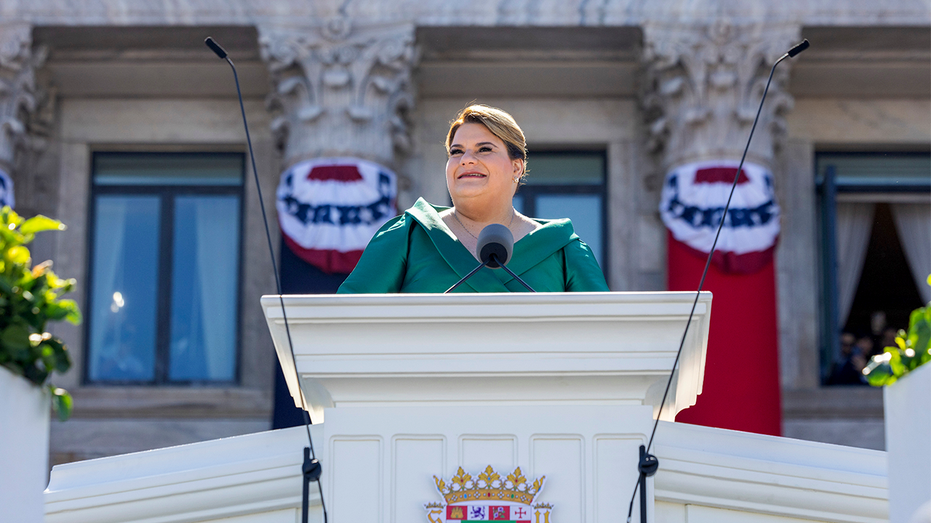
A seismic shift occurred in Puerto Rico this week as Governor Jenniffer González signed a bill redefining legal personhood to include unborn babies. The move, cloaked in arguments of consistency within the legal code, has ignited a firestorm of controversy and raised fears about the future of abortion access on the island.
The amendment, embedded within Senate Bill 923, alters the definition of murder within Puerto Rico’s Penal Code. Proponents insist the change simply aims to align civil and criminal statutes, particularly in cases involving violence against pregnant women – strengthening penalties when a pregnant woman is intentionally harmed, resulting in the loss of the pregnancy.
The legislation carries a poignant name: the Keishla Rodríguez Law. It honors a young woman tragically killed in 2021, her pregnancy ended by the violent act. Her partner, a former boxer, received a life sentence for the crime, a case that fueled calls for greater protection for expectant mothers.
However, critics see a far more insidious intent. They argue the recognition of an unborn baby as a human being isn’t about protecting mothers, but about laying the groundwork to outlaw abortion entirely. Rosa Seguí Cordero, a legal advocate, starkly stated that the law effectively “stripped women of their rights” by granting legal personality to a zygote.
The medical community is equally alarmed. Dr. Carlos Díaz Vélez, president of Puerto Rico’s College of Medical Surgeons, warns of a chilling effect on healthcare. He foresees “defensive health care,” where doctors, fearing prosecution, hesitate to treat complex pregnancies, potentially jeopardizing the lives of both mother and child.
This fear isn’t unfounded. The amended law introduces the possibility of third-party intervention in doctor-patient relationships, a direct violation of medical privacy. Implementing new protocols and regulations to navigate this legal minefield will be a monumental, and potentially impossible, task, according to Dr. Díaz.
Adding to the outrage is the manner in which the bill was passed. Opponents decry the lack of public hearings, claiming a critical analysis of the law’s implications was deliberately avoided. Annette Martínez Orabona of the ACLU in Puerto Rico accused legislative leaders and the governor of failing their duty to the people.
The core concern remains: has Puerto Rico subtly, yet decisively, begun to dismantle reproductive rights? While supporters maintain the law focuses solely on protecting pregnant women from violence, the shadow of a future without legal abortion looms large, casting a pall over the island’s medical and legal landscape.


