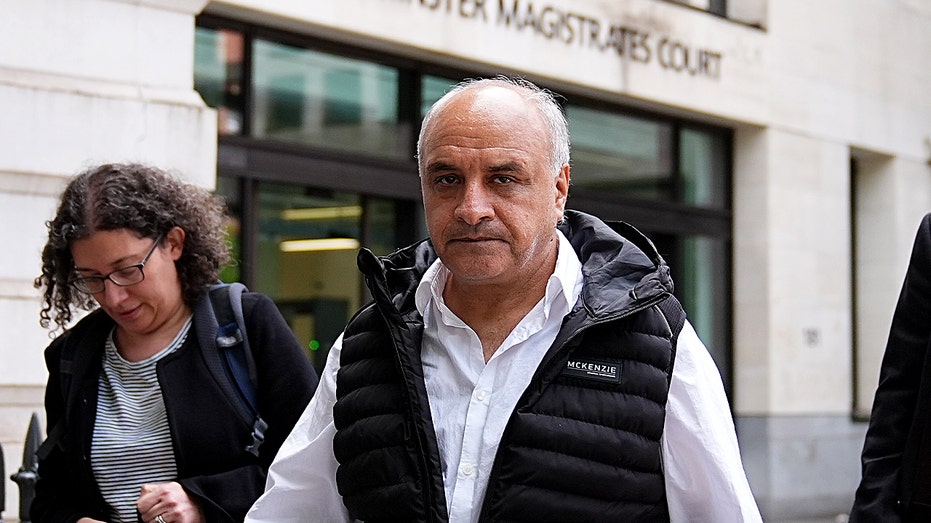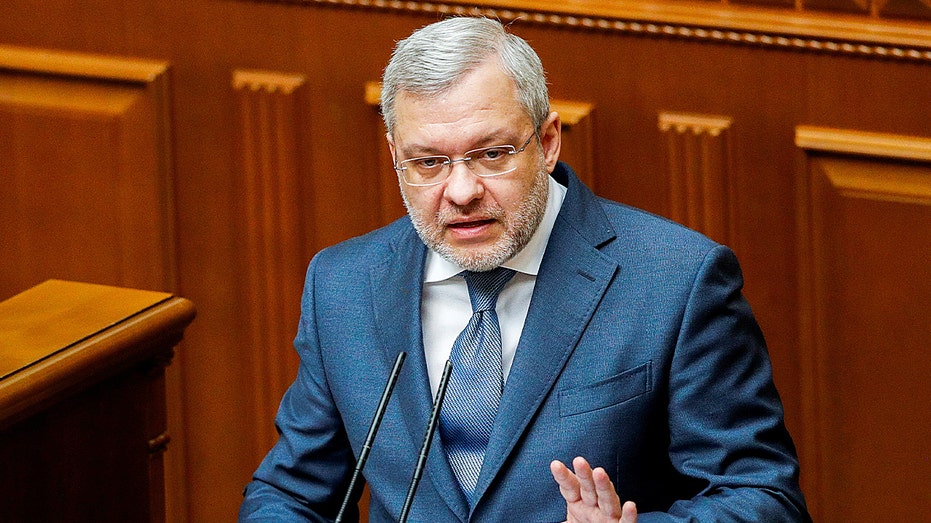
A former Ukrainian energy minister was dramatically detained Sunday, intercepted as he allegedly attempted to leave the country by train. The arrest of Herman Halushchenko signals a significant escalation in a sweeping anti-corruption investigation reaching into the highest levels of Ukrainian politics.
The detention followed a request from Ukraine’s National Anti-Corruption Bureau (NABU) and the Specialized Anti-Corruption Prosecutor’s Office (SAPO). Border guards were specifically alerted to Halushchenko’s potential flight, indicating authorities anticipated his attempt to evade investigation.
This event is being interpreted as a potential challenge to President Zelenskyy’s authority. Sources suggest Halushchenko’s attempt to flee suggests a loss of control for the president, as the former minister was considered a close and direct subordinate.
NABU confirmed the detention of a former energy minister as part of “Operation Midas,” a probe into a massive corruption scandal within Ukraine’s energy sector, but did not initially name Halushchenko. The agency stated that investigative procedures are underway and in compliance with legal requirements.
Operation Midas centers on allegations of a $100 million embezzlement scheme within Energoatom, Ukraine’s state-owned nuclear energy company. Investigators believe funds earmarked for vital energy infrastructure – including repairs to the power grid damaged by Russian attacks – were diverted through illicit contract kickbacks.
Halushchenko’s resignation in November followed the uncovering of this large-scale money-laundering scheme, reportedly orchestrated by Tymur Mindich, another individual with ties to President Zelenskyy. The fallout from the scandal has already led to significant personnel changes.
In January, the head of Ukraine’s border service, Serhiy Deineko, was dismissed amid accusations of corruption. He was replaced by Valerii Vavryniuk, an acting head described as being more aligned with independent institutions than with the president’s office.
Sources indicate a growing sense of unease within the Ukrainian parliament. Zelenskyy’s stress levels are reportedly rising as the corruption probes intensify, and he has allegedly displayed outbursts of anger and threats towards parliamentarians.
Recent accounts describe Zelenskyy as emotionally volatile, exhibiting levels of stress exceeding even those experienced before the full-scale war with Russia. This growing pressure comes at a critical juncture as Ukraine continues to fight for its survival.
The potential implications of Halushchenko’s case are substantial. If corruption is proven, it will become increasingly difficult to maintain the narrative that President Zelenskyy was unaware of the alleged wrongdoing within his inner circle.