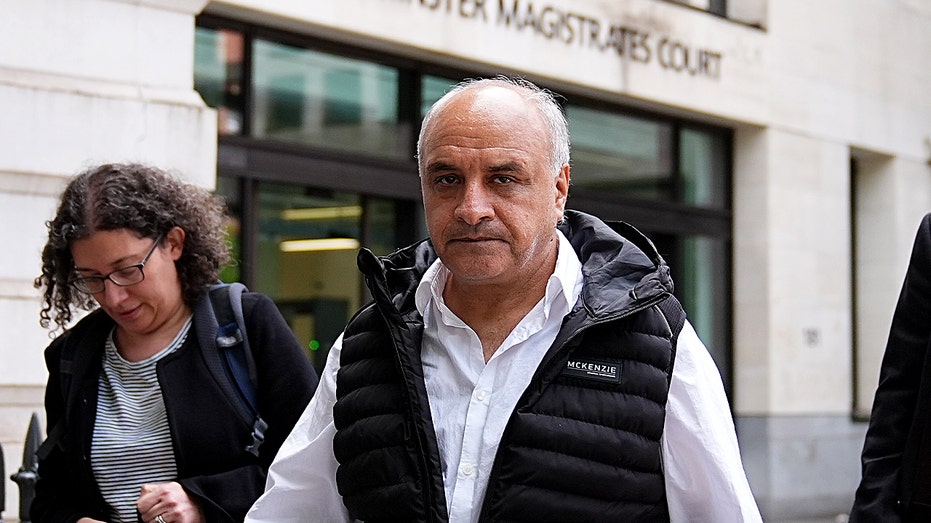
A tense situation is unfolding in London, drawing the attention of the U.S. government. Hamit Coskun, a 51-year-old man, faces the potential reinstatement of a conviction stemming from a deeply provocative act outside the Turkish Consulate.
Coskun burned a copy of the Quran in February 2025, accompanied by forceful slogans denouncing Islam. This act ignited a violent response; a passerby, Moussa Kadri, attacked him with a knife, escalating the confrontation into a physical assault.
Initially charged with harassment, the case quickly became a flashpoint for free speech debates. Advocacy groups like the National Secular Society and the Free Speech Union intervened, arguing the charges effectively resurrected outdated blasphemy laws.
Coskun was initially convicted and fined for a religiously aggravated public order offense. However, a judge later overturned the conviction, acknowledging the act was deeply offensive but affirming the fundamental right to express even disturbing views.
Now, prosecutors are appealing that decision in London’s High Court. Coskun fears a negative outcome will force him to leave the United Kingdom, believing his safety and freedom of expression are at risk.
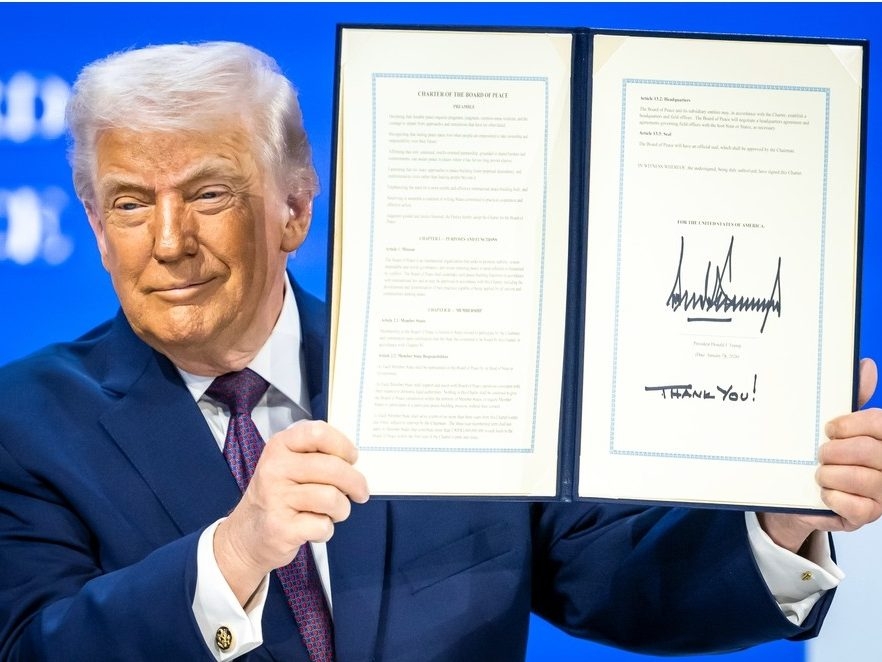
He has publicly stated that if the appeal fails, he may seek refuge in the United States, citing President Trump’s vocal support for free speech and opposition to Islamic extremism. He fears the UK is succumbing to speech restrictions imposed by Islamist ideologies.
Coskun’s personal history adds another layer of complexity. Of Armenian-Kurdish descent, he sought asylum in the U.K. after claiming his family was devastated by Islamic extremists in Turkey, and he was imprisoned for protesting Islamist governance there.
The U.S. administration is reportedly discussing the possibility of granting Coskun refugee status should the appeal succeed against him. This case is one of several that have prompted concern within the administration regarding restrictions on expression abroad.
This situation comes amid previous criticisms from President Trump and Vice President Vance regarding what they perceive as a decline in free speech protections in the U.K. and across Europe. Trump previously condemned the U.K.’s online speech laws as concerning.
The outcome of this legal battle could have significant implications, not only for Coskun but also for the broader landscape of free speech and religious expression in the United Kingdom and beyond. It highlights the delicate balance between protecting religious sensitivities and upholding fundamental rights.