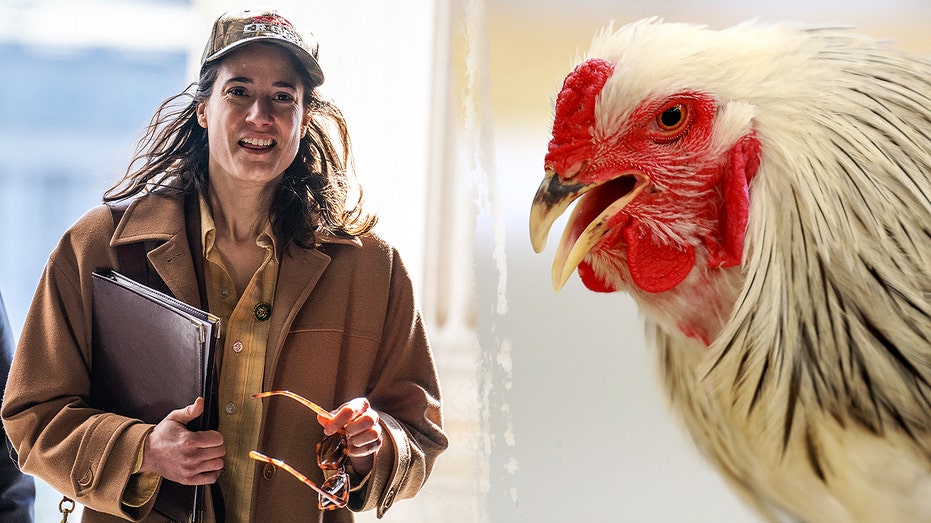
The image seared itself into their memories: a frantic search for a humane way to end a life, played out on a computer screen. Sam recalled desperately YouTubing instructions, only to be met with Marie’s dismissive scoff. “You’re looking it up? Just *do* it,” she’d said, and then, with a swift, unsettling motion, seized the chicken.
But it wasn’t a clean act, according to Eger. It wasn’t a single, decisive chop. Instead, he described a horrifying struggle, a dull kitchen knife relentlessly sawing, grinding against bone and flesh. The chicken’s severed head, inexplicably still functioning, gasped for air it couldn’t draw, a grotesque parody of life. Blood erupted, painting a scene that resembled a dark, ancient ritual.
Sam, though contesting the gruesome details, confirmed the knife’s inadequacy and the ensuing chaos. He remembered the unsettling reality of a headless body continuing to move, a macabre demonstration of instinct overriding the absence of vital organs. “Everyone knows about a chicken running around with its head cut off,” he said, “but no one talks about what the head does *without* the body.”
The incident, recounted years later, became a chilling symbol for Eger. He saw in it a reflection of Marie Gluesenkamp Perez’s character, even as she ascended to the halls of Congress. He acknowledged a certain “bravery” in her willingness to act, but condemned the brutality of the act itself, labeling it a display of unchecked hubris – a trait evident even during her college days.
“Marie is incredibly proud and stubborn, with an unwavering confidence in herself,” Eger explained. “And I think that’s precisely what it takes to become a congressperson.” Sam agreed, adding that she possessed a willingness to disregard consequences, to forge ahead regardless of potential repercussions, a relentless drive to simply *get things done*.
Their recollections extended beyond the chicken. They spoke of “Meatball,” a rabbit Marie bred and then, disturbingly, consumed her own offspring. A friend, they said, had even described Marie starting a “rabbit-eating cult,” a testament to her detached and unconventional behavior.
The trio also remembered a pattern of neglect when it came to her animals. Their “urban farming venture” often fell to them, tasked with caring for Marie’s creatures lest they succumb to starvation or worse. They recalled a particularly disturbing incident involving a rabbit being violently slammed against a wall.
Eger didn’t stop there. He accused Gluesenkamp Perez of presenting a false narrative, of “cosplaying as a poor person” despite a privileged upbringing. He argued her family’s wealth disqualified her from financial aid, and that her claims of hardship were a carefully constructed facade.
Boguslaw echoed the sentiment, sarcastically dismissing her portrayal of financial struggle during their time at Reed College. The accusations painted a picture of a calculated persona, a deliberate crafting of an image designed to resonate with voters.
Further fueling the critique, Eger challenged Gluesenkamp Perez’s claim of being a fifth-generation Washingtonian. He asserted she was born and raised in Houston, Texas, the daughter of a Mexican immigrant and a Washington native, labeling her an “anchor baby.”
Now representing Washington’s 3rd Congressional District, Gluesenkamp Perez has proven a formidable fundraiser, significantly outpacing her competitors. Yet, the stories from her past – the brutal act with the chicken, the unsettling rabbit breeding, the accusations of fabricated hardship – continue to surface, raising questions about the character of the woman in power.