A contentious legal battle in North Carolina reached a resolution this week, granting 73,000 voters additional time to confirm their registration details. The agreement, brokered between the state’s elections board and both Republican and Democratic parties, averted the potential removal of these individuals from the voter rolls just before a critical election year.
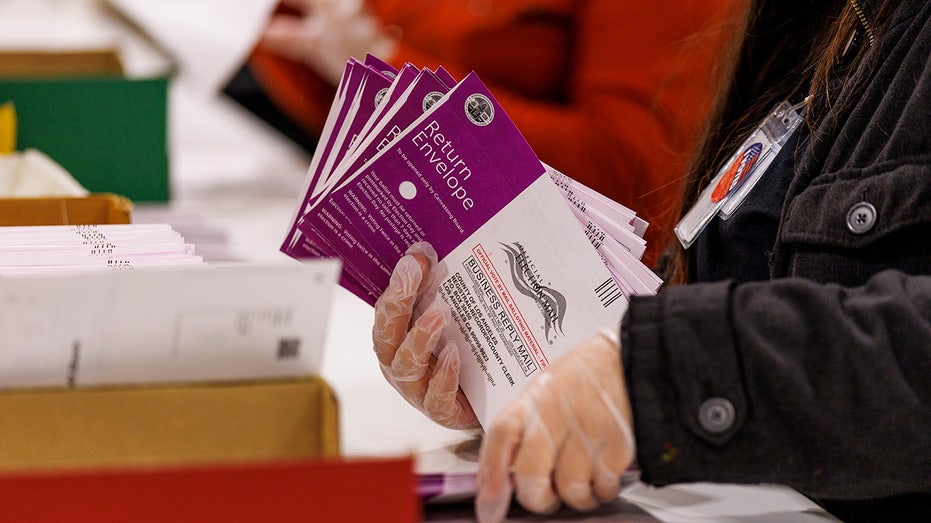
The dispute originated from a lawsuit filed by the Republican National Committee and the North Carolina GOP, alleging improper registration of approximately 250,000 voters. These registrations lacked crucial information – the last four digits of a Social Security number, a driver’s license number, or a sworn statement confirming the absence of either.
Republicans initially sought to have these voters purged from the rolls and their ballots invalidated in the upcoming elections. The core of the disagreement centered on the completeness of voter information and the potential for inaccuracies within the system.
Democrats celebrated the settlement as a significant victory against what they characterized as voter suppression tactics. Party leaders argued that the Republican efforts were deliberately designed to disenfranchise eligible voters, hindering their access to the ballot box.
State election officials had acknowledged a substantial number of incomplete registrations last summer, initially estimating around 100,000. Through ongoing efforts, that number was reduced to the current 73,000 before the agreement was reached.
Under the terms of the settlement, these voters will remain registered and will be given the opportunity to update their information when they cast their ballots. North Carolina law already mandates voter identification at polling places, adding another layer to the verification process.
This resolution arrives amidst a broader national debate over voter ID requirements and election integrity. A federal bill, the Safeguarding American Voter Eligibility (SAVE) America Act, recently passed the House and is now awaiting consideration in the Senate.
The SAVE Act proposes a nationwide requirement for voters to provide proof of citizenship before being allowed to vote. Senate Democrats have vowed to block the legislation, framing it as a restrictive measure aimed at suppressing voter turnout among minority and low-income communities.
Despite widespread public support for voter identification – with polls indicating over 80% approval – Democrats argue the proposed federal bill imposes unreasonable burdens on legitimate voters. They contend it echoes historical discriminatory practices designed to limit access to the ballot.
The bill also seeks to establish a system for sharing voter roll information between state and federal authorities, potentially triggering immigration investigations if non-citizens are identified as registered voters. This aspect of the legislation has further fueled accusations of racial bias and intimidation.
The debate highlights a fundamental tension between ensuring election security and protecting the right to vote, a cornerstone of American democracy. Both sides remain firmly entrenched in their positions, setting the stage for a continued and potentially divisive struggle over the future of voting rights.