A pivotal case is heading to the Supreme Court, poised to reshape election rules across the nation. At the heart of the dispute lies a fundamental question: when is a ballot truly cast?
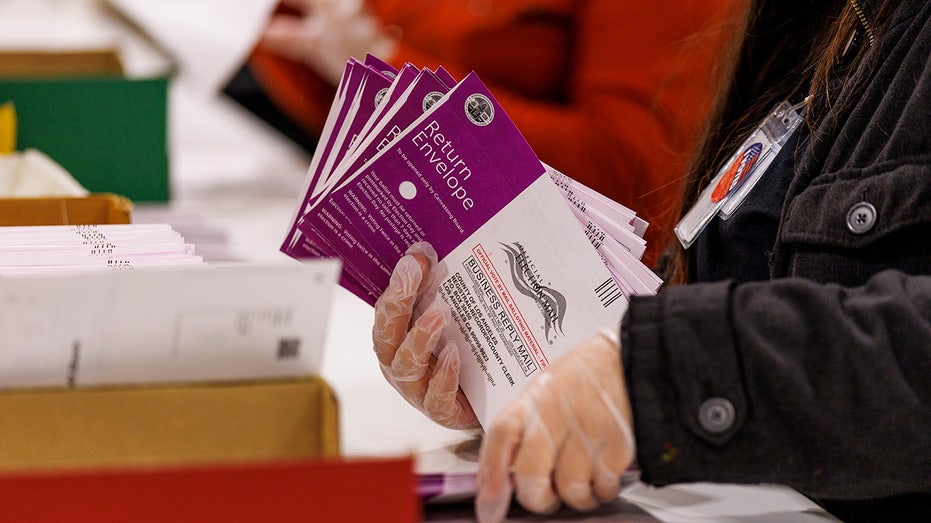
A coalition of election integrity groups is urging the nation’s highest court to enforce a strict Election Day deadline for mail-in ballots. They argue that federal law mandates ballots must be *received* by the close of polls, not merely postmarked.
The case, originating from a challenge to Mississippi’s five-day postmark rule, could invalidate similar laws in fourteen states and Washington D.C. This would dramatically alter how millions of Americans participate in future elections.
The Republican National Committee initiated the legal battle, arguing that a consistent standard is crucial for maintaining public trust. The core contention centers on interpreting statutes establishing a single, national Election Day.
Legal arguments hinge on a 1994 Supreme Court decision, *Foster v. Love*, which defined the “final act of selection” as occurring on Election Day. Groups contend that receiving a mail-in ballot *is* that final act, and therefore cannot happen after the polls close.
The implications extend beyond simply timing. Supporters of the stricter deadline believe it will streamline the counting process and minimize opportunities for uncertainty and disputes.
Concerns about the reliability of postmarks have also fueled the debate. Recent guidance from the U.S. Postal Service acknowledges that postmarks aren’t always accurate indicators of when a ballot was actually mailed.
Four states – Kansas, Ohio, Utah, and North Dakota – have already proactively moved to require ballots to be received by Election Day, anticipating a potential shift in the legal landscape.
Oral arguments are scheduled for March 23, with a decision anticipated by summer. The outcome will undoubtedly have a significant impact on the 2026 midterm elections and beyond.
While the case focuses on mail-in ballots, it’s important to note that military and overseas voters, protected by the Uniformed and Overseas Citizens Absentee Voting Act, would likely be unaffected by the ruling.
This case isn’t just about rules; it’s about confidence. The central argument revolves around ensuring a transparent and trustworthy election process for all Americans.