A fragile path toward potential agreement emerged Tuesday between the United States and Iran, yet a chasm of disagreement remains starkly visible. While Iranian officials spoke of a “general agreement on guiding principles” and a commitment to drafting a possible framework, the core issues dividing the two nations appear as intractable as ever.
The initial progress, however incremental, signals a willingness to begin the arduous process of translating principles into concrete text. Negotiators plan to exchange drafts and reconvene for further discussions, a process acknowledged by Iranian officials as one that will inevitably slow the momentum, but at least establishes a direction.
Washington, however, has publicly maintained a firm and uncompromising stance. Any acceptable agreement, U.S. officials insist, must involve the complete dismantling of Iran’s nuclear program – including its enrichment capabilities – alongside verifiable limitations on its ballistic missile development and an end to support for regional militant groups.
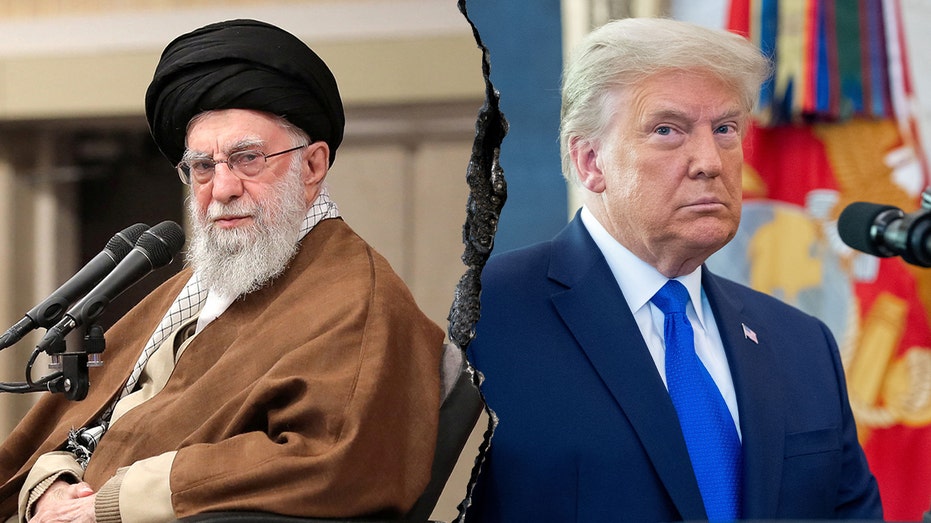
This demand directly clashes with the position articulated by Iran’s Supreme Leader, Ali Khamenei. He vehemently rejected the notion of relinquishing Iran’s nuclear energy program, stating plainly that there is “no room for negotiation” if the outcome is complete elimination of its capabilities.
Khamenei’s statement underscores a fundamental impasse: Iran appears unwilling to concede complete nuclear disarmament, setting the stage for a direct confrontation with the U.S. insistence on dismantling the program entirely. Despite ongoing talks, this core disagreement casts a long shadow.
A U.S. official acknowledged the progress, but tempered optimism with a realistic assessment. “There are still a lot of details to discuss,” they stated, anticipating detailed proposals from the Iranian side within the next two weeks aimed at bridging the significant gaps in their respective positions.
Beneath the surface of diplomacy, a palpable sense of mistrust permeates the negotiations. Iranian officials cite past U.S. military actions – specifically strikes on Iranian nuclear facilities – as evidence of Washington’s willingness to resort to force, even while engaged in dialogue.
Adding to the tension, the United States has dramatically increased its military presence in the region. The USS Abraham Lincoln currently operates in the Arabian Sea, and its fighter jets recently shot down an Iranian drone approaching the carrier strike group, signaling a clear message of limited tolerance for perceived provocations.
The deployment doesn’t end there. The USS Gerald R. Ford, the Navy’s newest aircraft carrier, is en route to the Middle East, and preparations are underway for a potential expedited deployment of a third carrier, the USS George H.W. Bush, creating an unprecedented three-carrier presence near Iranian waters.
Beyond naval forces, squadrons of F-35A Lightning II aircraft have been positioned in the United Kingdom as a staging point for potential deployment, while satellite imagery reveals increased U.S. airpower – including F-15E Strike Eagles and A-10 Thunderbolts – stationed in Jordan.
A surge in logistical flights further illustrates the military buildup. Over 100 C-17 cargo aircraft have delivered advanced air defense systems, including Patriot and THAAD batteries, to bases in Qatar and Saudi Arabia since late January.
Simultaneously, Iranian leadership has issued forceful warnings. Khamenei asserted the U.S. could face devastating consequences, while a senior commander in the Islamic Revolutionary Guard Corps Navy threatened to close the Strait of Hormuz – a move that would cripple a significant portion of global oil supplies.
Despite the escalating rhetoric and military posturing, Iranian officials maintain a commitment to continued dialogue, framing the Geneva discussions as a step, however tentative, toward a potential agreement. The fundamental dispute over the future of Iran’s nuclear program, however, remains unresolved, a critical obstacle looming over the path forward.