A quiet shift in broadcast regulations has ignited a firestorm, forcing late-night and daytime talk shows to confront a long-ignored principle: equal opportunity for political candidates. The Federal Communications Commission recently moved to enforce rules requiring fairness in political coverage, challenging the established practice of partisan leaning on these programs.
For years, networks operated under the assumption that these shows qualified as “bona fide news,” allowing for one-sided political commentary. The FCC is now asserting that this designation isn’t automatic, particularly when shows are demonstrably driven by partisan agendas. This isn’t about silencing voices, but ensuring a level playing field for all contenders.
The immediate fallout was felt at CBS, where an interview with Texas Senate candidate James Talarico was abruptly pulled from the schedule. Instead of airing on network television, the conversation was relegated to YouTube, a move that clearly frustrated host Stephen Colbert.
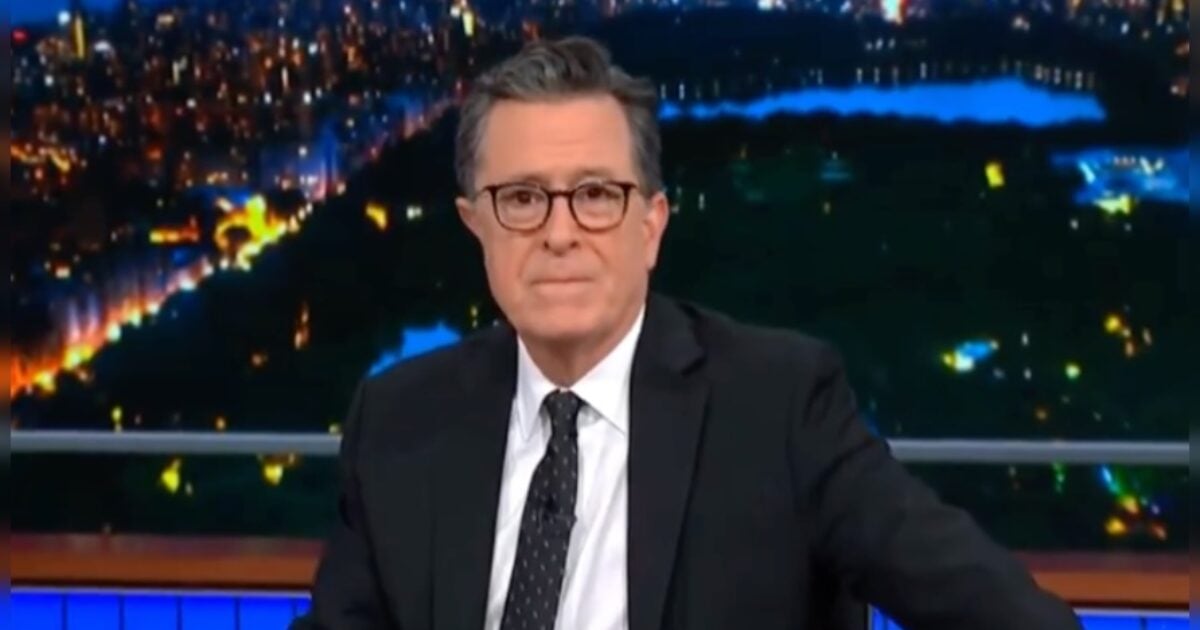
Colbert publicly addressed the situation on his show, framing the network’s decision as a restriction on free speech. He revealed he was explicitly instructed by network lawyers not only to avoid the interview but also to refrain from even mentioning its cancellation. This attempt to highlight the perceived censorship backfired, drawing scrutiny to the underlying issue.
The FCC’s regulations don’t prohibit political guests; they mandate equal access. A show is free to offer commentary and opinion, but when it provides a platform – valuable, unpaid airtime – to a candidate, it must extend the same opportunity to their opponents. The core principle is balance, not silence.
Colbert’s reaction suggests a reluctance to provide airtime to opposing candidates, revealing a deep-seated partisan bias. Rather than extend an invitation to a Republican contender, the network opted to avoid the topic altogether, highlighting the potential for these rules to expose uncomfortable truths about media preferences.
The situation is further complicated by a subsequent FCC investigation into ABC’s “The View,” triggered by Talarico’s appearance on that program. This suggests the FCC is actively monitoring compliance and prepared to enforce the equal time provisions across multiple networks.
This isn’t a new legal concept; equal time rules have existed for decades. However, the current enforcement push signals a renewed commitment to fairness in political broadcasting, potentially reshaping the landscape of late-night and daytime television.
![AMERICA IS DYING: The Shocking Truth They're Hiding! [VIDEO]](https://www.thegatewaypundit.com/wp-content/uploads/2026/02/screenshot-2026-02-17-at-1.10.16pm_16x9-1200x630.png)