The world of snakes holds secrets darker than many imagine. A groundbreaking new study reveals a startling truth: snakes are far more prone to cannibalism than previously believed, turning on members of their own species with alarming frequency.
For years, scientists knew snakes occasionally preyed on other snakes, but the extent of cannibalism – a snake consuming one of its own kind – remained largely underestimated. Researchers have now compiled over 500 documented instances, a number that dramatically reshapes our understanding of these reptiles.
“Going from scattered reports to compiling more than 500 documented events was honestly astonishing,” explains Bruna Falcao, the lead researcher. “It reinforced the idea that cannibalism in snakes isn’t a rare curiosity, but a widespread behavior we’ve been systematically overlooking.”
The study, encompassing 207 snake species, reveals a geographically and taxonomically diverse pattern of cannibalism, suggesting it has evolved independently multiple times. In fact, researchers believe this behavior arose at least 11 times throughout the snake evolutionary tree.
One striking discovery involved the Brazilian lancehead viper, where a preserved specimen was found with a younger viper inside its stomach. This initial finding sparked a deeper investigation, uncovering records dating back to 1892 and painting a disturbing picture of serpentine diets.
Certain snake families exhibit particularly gruesome tendencies. Cobras and kraits, belonging to the elapid family, accounted for nearly 20% of the recorded cannibalism events. One chilling account details a male cobra consuming a female during mating.
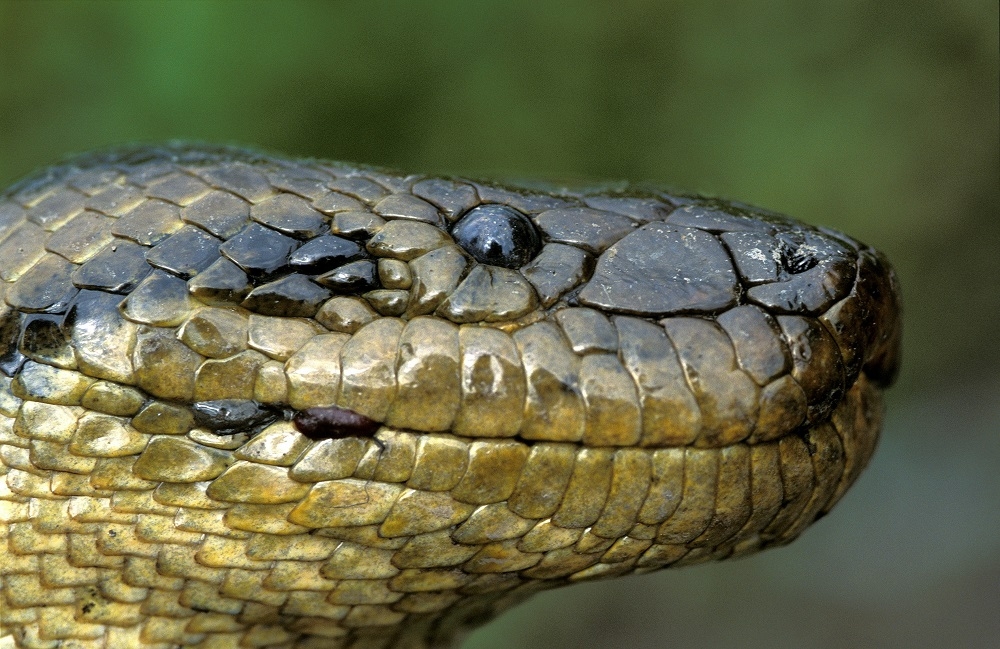
The green anaconda presents a particularly brutal scenario. Females, significantly larger than males and practicing polyandry – mating with multiple partners – often consume the smaller, weaker suitors. This act may serve a dual purpose: reducing sperm competition and conserving energy for egg production.
The Colubridae family, including venomous boomslangs, topped the list with almost 30% of all reported cannibalism. Researchers believe these cases often stem from a scarcity of alternative food sources, as this family doesn’t typically target other snakes.
Perhaps most unsettling is the phenomenon of maternal cannibalism, where mothers consume their own eggs. This behavior, observed in several snake families, may be a form of quality control, eliminating nonviable eggs to prevent attracting predators to the healthy ones.
Or, simply put, the mother may be driven by hunger. By removing bad eggs, she protects the viable offspring and gains sustenance. This practice is particularly common among boa families known for their maternal care.
“None of us expected snakes could be so cannibalistic, and no one was talking about it,” Falcao admits. The more they searched, the more evidence they uncovered, revealing a hidden facet of snake behavior that demands further investigation.
This study offers a crucial insight into the complex dietary habits of snakes, but it’s just the beginning. Much remains to be discovered about the motivations and ecological implications of this widespread, and often shocking, behavior.