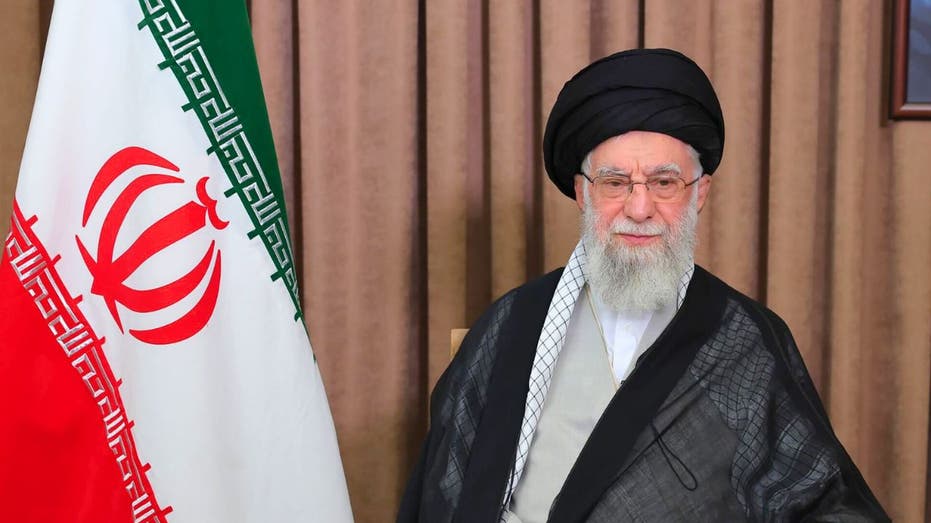
A controversial decision has reverberated through the halls of the United Nations: Iran has been elected vice-chair of the U.N. Charter Committee. This committee, dedicated to strengthening the foundational principles of the U.N., now finds itself under intense scrutiny, sparking outrage from Israel and raising profound questions about the organization’s internal processes.
The appointment wasn’t marked by a dramatic vote, but rather approved through a quiet, agreed-upon procedure during the committee’s opening session. This lack of formal opposition has fueled criticism, suggesting a troubling acceptance of Iran’s leadership role within a body designed to uphold the U.N.’s core values.
When pressed on the alignment of Iran’s record with the U.N. Charter, a spokesperson for the Secretary-General emphasized that member states themselves determine committee leadership. The response underscored a key point: the U.N. views these elections as a matter of internal diplomacy, not an endorsement of any nation’s policies.
However, the spokesperson also affirmed the expectation that all member states uphold the Charter and the Universal Declaration of Human Rights – documents to which they’ve all ostensibly agreed. This statement, while firm in principle, felt hollow to many given Iran’s well-documented human rights abuses and destabilizing regional actions.
Critics are particularly vocal, pointing to Iran’s status as a leading state sponsor of terrorism and its openly hostile stance towards Israel. Anne Bayefsky, a prominent human rights advocate, argues the appointment reveals a disturbing truth: the U.N.’s stated purposes are increasingly at odds with actual peace, rights, and human dignity.
Israel’s Ambassador to the U.N. condemned the decision as a “moral absurdity,” asserting that a regime demonstrably violating the U.N.’s principles has no place in a leadership position tasked with strengthening them. The appointment, he argued, grants legitimacy to a government actively undermining the very foundation of the organization.
The U.N. Charter Committee, operating under the U.N. Legal Committee, typically focuses on examining Charter-related issues and proposing ways to improve its implementation. However, its work often stalls due to the need for consensus, rarely resulting in concrete, binding action.
In recent years, the committee has become a battleground for political disputes, with Israel frequently facing criticism. Iran’s elevation to a leadership role intensifies these existing tensions, highlighting the ongoing struggle within the U.N. to balance representation with concerns over human rights and adherence to its founding principles.
The situation underscores a fundamental dilemma facing the United Nations: can an organization truly uphold its ideals while simultaneously accommodating nations with deeply problematic records? The appointment of Iran to this critical committee has forced that question into sharp relief, leaving many questioning the future direction of the global body.