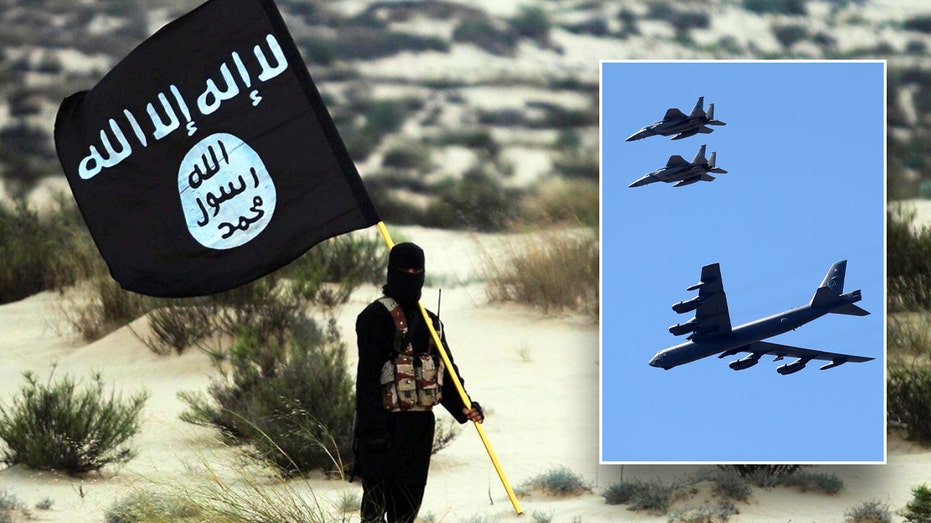
A silent alarm echoed through the intelligence community: a potential prison break in northern Syria threatened to unleash a nightmare scenario. Nearly 6,000 ISIS detainees – described as the most hardened militants – were held by the Kurdish-led Syrian Democratic Forces, but their grip was weakening amidst escalating regional instability.
U.S. officials understood the terrifying implications. A collapse of those prisons wouldn’t be a gradual problem; it would be an instantaneous resurgence of ISIS, flooding the region with battle-hardened fighters eager to reignite the conflict. The stakes couldn’t have been higher.
Behind closed doors, a frantic operation began. Intelligence warnings triggered rapid diplomatic maneuvering and a swift military response, unfolding over weeks as officials raced against time. The goal: to extract these dangerous prisoners before chaos consumed everything.
The initial assessment came in late October, pinpointing Syria’s potential descent into disorder. A key official was dispatched to Syria and Iraq, initiating delicate discussions with both the SDF and the Iraqi government about a preemptive removal of the most critical detainees.
By early January, the situation became critical. Fighting erupted in Aleppo, spreading like wildfire, and the window of opportunity began to slam shut. Every hour increased the risk of a catastrophic jailbreak, a scenario that haunted those involved.
Daily coordination calls were established, connecting agencies across the U.S. government. The Secretary of State focused on navigating the complex policy landscape, while intelligence officials and CENTCOM worked to formulate a viable plan to prevent the mass escape.
Iraq understood the urgency. Leaders vividly remembered the horrors of 2014, when ISIS stormed across the border. A massive breakout could easily recreate that nightmare, bringing the threat right back to their doorstep.
The U.S. Embassy in Baghdad played a crucial role, smoothing the diplomatic path for a massive logistical undertaking. It was a delicate dance, requiring careful negotiation and unwavering commitment from all parties.
Then came the execution. CENTCOM surged resources, deploying helicopters and other assets to rapidly transport the detainees. In a matter of weeks, nearly 6,000 ISIS fighters were moved out of Syria.
The SDF, stretched thin by ongoing conflicts, had been diligently guarding the prisons, but a single breach could have triggered a complete collapse. The transfer to Iraq, and a secure facility near Baghdad International Airport, was a critical lifeline.
Now, the focus shifted to identification and accountability. FBI teams are meticulously enrolling detainees biometrically, while U.S. and Iraqi officials work to declassify intelligence for potential prosecutions. The goal is to ensure these fighters are held responsible for their actions.
The State Department is actively engaging countries of origin, urging them to take responsibility for their citizens held among the detainees. This is a global challenge, requiring international cooperation to address the long-term threat.
However, the operation focused solely on the fighters, leaving a separate, equally pressing issue unresolved: the fate of families held in camps like al-Hol. This remains a significant security and humanitarian challenge.
Control of al-Hol is shifting to the Syrian government, and reports suggest a disturbing trend – the release of ISIS-affiliated women and children. This scenario is deeply concerning, raising fears of future radicalization and recruitment.
Many of these children have grown up within the confines of these camps, knowing only the ideology of ISIS. As they approach fighting age, the risk of a new generation of militants looms large.
Despite the unresolved challenges, officials view the recent operation as a rare success story. Thousands of experienced ISIS militants have been prevented from rejoining the battlefield, potentially averting a devastating resurgence of the terrorist group.