The courtroom in Los Angeles felt charged with an unusual tension as Mark Zuckerberg, the architect of a digital empire, faced a relentless interrogation. He wasn’t addressing lawmakers or investors, but a jury – and a young woman’s story that threatened to redefine his creation. The case centers on a fundamental question: does Instagram deliberately cultivate addiction, and at what cost to its youngest users?
For hours, Zuckerberg parried questions from attorney Mark Lanier, skillfully avoiding a direct answer to the core issue of Instagram’s addictive potential. When pressed on whether addictive platforms are used more frequently, his response was a hesitant, “I’m not sure what to say to that.” This ambiguity hung heavy in the air, a stark contrast to the decisive pronouncements he often makes about the future of technology.
The plaintiff, identified as KGM, alleges that Instagram’s allure spiraled into a destructive force, exacerbating her depression and fueling suicidal thoughts during her formative years. Lanier framed the situation with stark simplicity: companies can help vulnerable individuals, ignore their plight, or actively exploit them. Zuckerberg readily condemned the latter, stating a “reasonable company should try to help.”
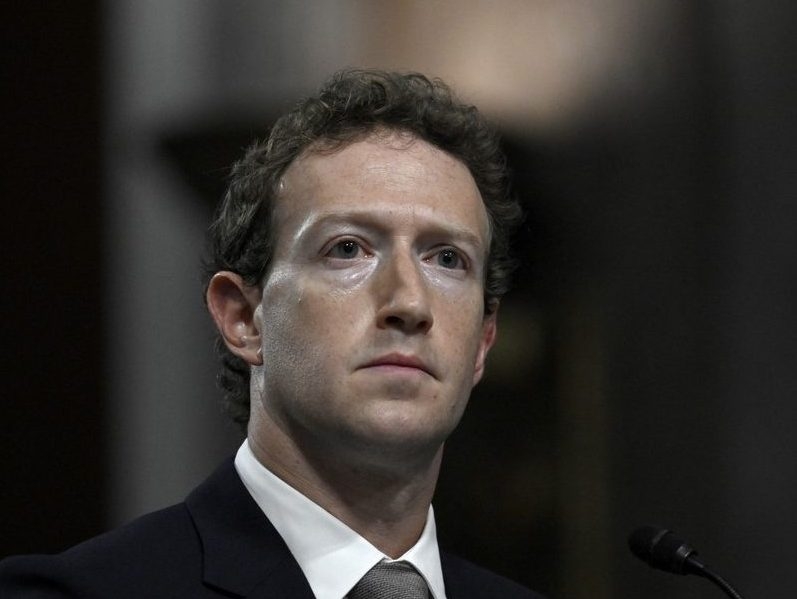
Lanier then turned to Zuckerberg’s immense wealth, questioning how much he’d pledged to support those harmed by social media. Zuckerberg deflected, disagreeing with the premise of the question, a pattern that would emerge throughout the day. The exchange highlighted a growing perception – that empathy sometimes struggles to penetrate the layers of corporate defense.
Internal documents presented by Lanier challenged Zuckerberg’s previous congressional testimony, where he claimed Instagram employees weren’t incentivized to maximize user engagement. These documents revealed past goals centered on time spent on the platform, a detail Zuckerberg explained away as a shift in focus towards “utility” – a platform valuable enough that people would naturally return.
The questioning delved into the carefully constructed image Zuckerberg presents to the world. Lanier revealed internal feedback urging Zuckerberg to appear “authentic, direct, human,” and explicitly warning against seeming “robotic, corporate, or cheesy.” Zuckerberg dismissed this as simple feedback, yet it underscored the meticulous effort invested in shaping his public persona.
Zuckerberg, often criticized for his awkward public appearances, even volunteered that he’s “actually well known to be sort of bad at this.” The comment felt like a calculated attempt to disarm, a self-deprecating acknowledgment of a long-standing perception. Memories surfaced of a 2010 interview where his visible discomfort was so pronounced, the interviewer inquired if he needed to remove his hoodie.
A significant portion of the interrogation focused on age verification, a critical point in the case. Zuckerberg insisted the company’s policies prohibit users under 13 and that they actively work to detect those who lie about their age. Yet, Lanier pressed for a simpler solution, questioning why such a seemingly straightforward issue remained so complex.
Throughout the day, Zuckerberg consistently reiterated his commitment to building a valuable platform, often disagreeing with Lanier’s interpretation of his statements. He’s testified before Congress and offered apologies to families impacted by social media, but has stopped short of accepting direct responsibility. This trial, however, places him before a jury, facing a direct reckoning.
The outcome of this case, along with similar trials, could have far-reaching consequences, potentially shaping the legal landscape for social media companies. Meta maintains its commitment to supporting young people, but the plaintiff’s attorneys argue Instagram was a substantial factor in KGM’s struggles, pointing to a turbulent home life as a pre-existing vulnerability that the platform exploited.
Adam Mosseri, head of Instagram, testified last week, dismissing the notion of clinical addiction to social media. He asserted the company prioritizes user well-being, arguing that harming users is ultimately detrimental to its long-term success. Lanier is expected to revisit the topic of cosmetic filters and Instagram’s algorithm, features the plaintiffs contend are deliberately designed to ensnare users.
As Zuckerberg’s testimony unfolded, the courtroom was filled with the silent presence of bereaved parents, their faces etched with grief and anticipation. Their presence served as a constant reminder of the human cost at the heart of this unprecedented legal battle – a battle that could redefine the relationship between technology and the vulnerable minds it seeks to capture.