A shadow fell over the 66th birthday of the former Prince Andrew as police in England executed an arrest connected to the sprawling Jeffrey Epstein case. The arrest, made by Thames Valley Police, centers around deeply troubling allegations of misconduct and the potential compromise of state secrets.
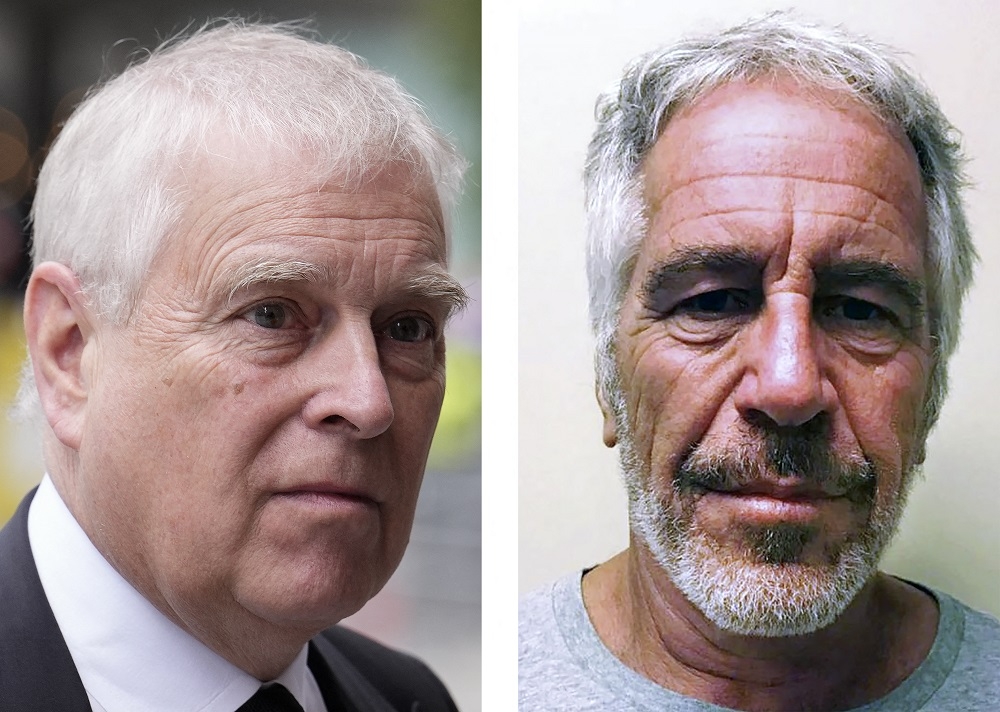
While authorities have not officially named the individual in custody, reports from across British media unequivocally identify him as Andrew, brother to King Charles. The investigation reportedly focuses on claims that the former prince divulged sensitive state information to the notorious Jeffrey Epstein back in 2010 – a betrayal of trust with potentially far-reaching consequences.
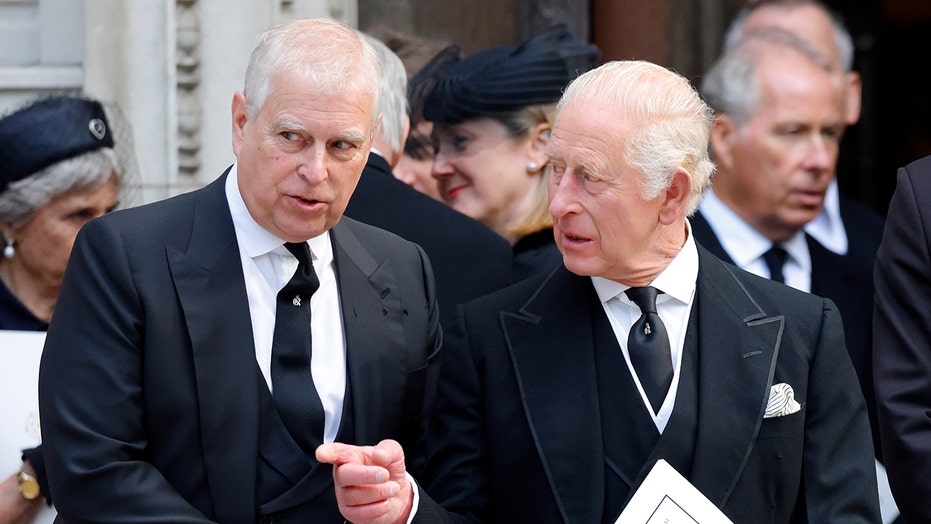
King Charles responded to the news with a carefully worded statement, acknowledging the gravity of the situation. He emphasized the importance of due process and affirmed his family’s commitment to fully cooperate with the investigation, stating plainly that “the law must take its course.”
The allegations against Andrew stem from accusations made by Virginia Giuffre, who detailed in her memoir, “Nobody’s Girl,” being brought to London as a teenager for an encounter with the then-prince. These claims, though denied by Andrew, led to a substantial out-of-court settlement of $20 million.
This latest development isn’t centered on the sexual misconduct allegations that have long plagued Andrew, but rather on a separate, equally serious concern: the alleged misuse of privileged state information. Police are currently conducting searches at properties in Berkshire and Norfolk, meticulously gathering evidence.
Eyewitness accounts describe a significant police presence at Andrew’s residence, with multiple unmarked vehicles arriving early in the morning. Authorities have the legal capacity to hold him for 24 hours, with the possibility of seeking an extension to continue their inquiries.

The investigation has ignited a firestorm of commentary, with some observers suggesting the late Queen Elizabeth would be deeply disturbed by these events. The sharing of confidential information with a private individual, particularly one with Epstein’s history, is considered a grave offense.
Assistant Chief Constable Oliver Wright confirmed the opening of an investigation into “misconduct in public office,” stressing the need to protect the integrity of the process. He cautioned against premature speculation, emphasizing that the case is now active and subject to legal constraints.
The timing of this arrest coincides with renewed scrutiny of the Epstein case in the United States, fueled by the recent release of previously confidential FBI files. This unfolding situation promises to bring further revelations and potentially reshape the narrative surrounding one of the most infamous scandals of our time.

The central question now hangs heavy in the air: did Andrew, a member of the British Royal Family, truly compromise national security by sharing top-secret reports with Jeffrey Epstein?