A surge of international commitment followed the inaugural meeting of the U.S.-led “Board of Peace,” with nine nations pledging over $7 billion towards stabilization efforts. The initiative, spearheaded by the President, aims to bolster the fragile ceasefire between Israel and Hamas and oversee the daunting task of rebuilding Gaza.
The President directly challenged Iran, demanding the complete dismantling of its nuclear weapons program. He asserted that a nuclear-armed Iran fundamentally undermines the possibility of lasting peace in the volatile Middle East, drawing a firm line against further escalation.
The Board of Peace was officially launched just one month prior at the World Economic Forum in Davos, Switzerland. This followed the devastating October 7th attacks by Hamas, a brutal campaign of violence that included murder, kidnapping, and sexual assault against Israeli communities.
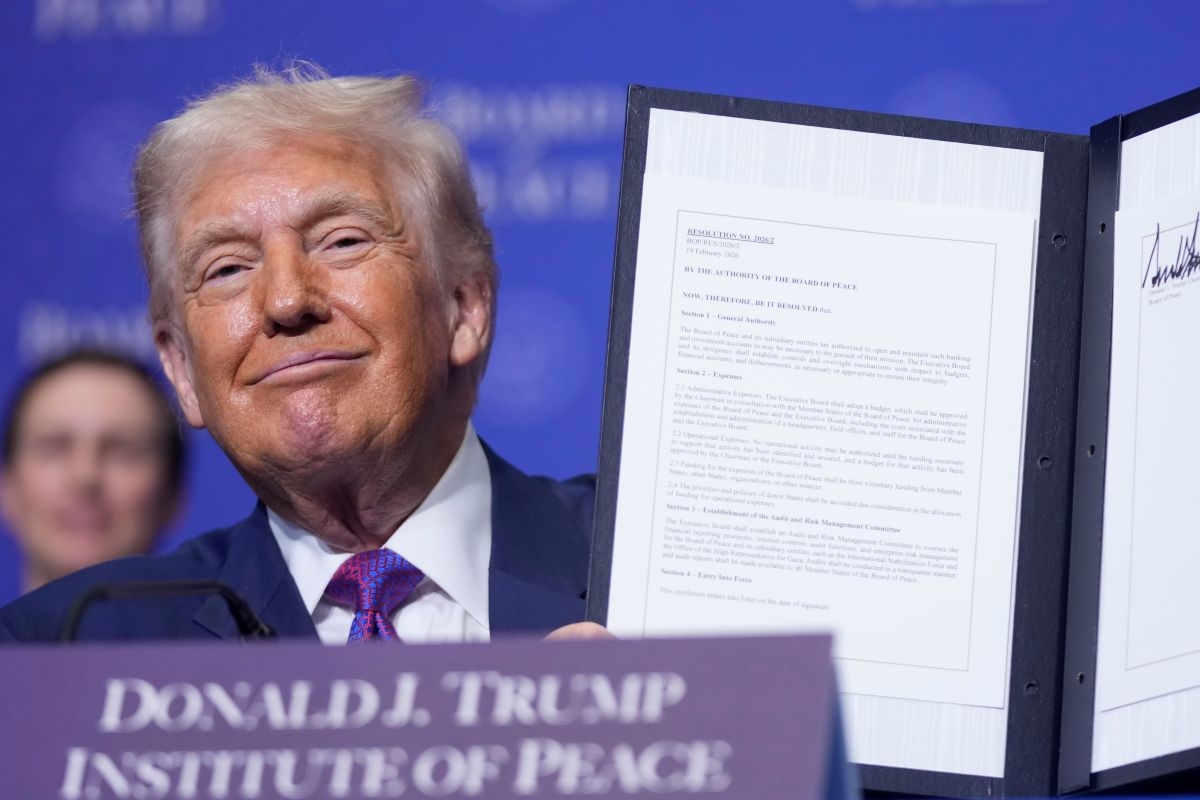
Beyond the substantial pledges from member states, the United States committed an additional $10 billion to support the Board’s ambitious goals. This represents a significant investment in the region’s future, intended to address the immediate needs of Gaza and lay the groundwork for long-term stability.
Currently, twenty-seven nations have signed on to the Board, with the President serving as its chair. Membership is offered in three-year terms, but nations also have the option to secure a permanent seat for a staggering $1 billion.
The Board’s membership reflects a complex geopolitical landscape, including Israel, Indonesia, Hungary, Pakistan, Saudi Arabia, Egypt, Turkey, and the United Arab Emirates. These nations represent a diverse range of interests and perspectives, crucial for navigating the challenges ahead.
A notable development saw Canada’s invitation to join the Board abruptly rescinded by the President. This followed a critical speech delivered by the Canadian Prime Minister at Davos, challenging U.S. foreign policy under the current administration, escalating tensions between the two countries.
While Canada initially expressed interest in participating, it firmly refused to pay the $1 billion fee required for a permanent seat. Approximately sixty nations were initially invited, with just over half ultimately agreeing to join the initiative, signaling a mixed reception to the President’s vision.