A complex legal battle is unfolding in Canada, centered around Amanda Joy Cooper, a 58-year-old inmate with a disturbing history. Cooper, previously convicted of multiple sex offences while living as a man, was designated a dangerous offender in 2001 and has undergone full gender reassignment surgery while incarcerated.
Now, Cooper is seeking a transfer from the all-male Millhaven Institution in Eastern Ontario to a women’s prison. This request has been repeatedly denied by the Correctional Service of Canada, raising profound questions about safety, rights, and the evolving understanding of gender identity within the correctional system.
Corrections officials maintain that Cooper poses a “very high risk to the safety” of other inmates, particularly women, citing her history of offences and a pattern of “obsessive attachments” to female staff. This assessment fuels the core of the debate: can someone with a history of harming women be safely housed in a women’s facility, even after transitioning?
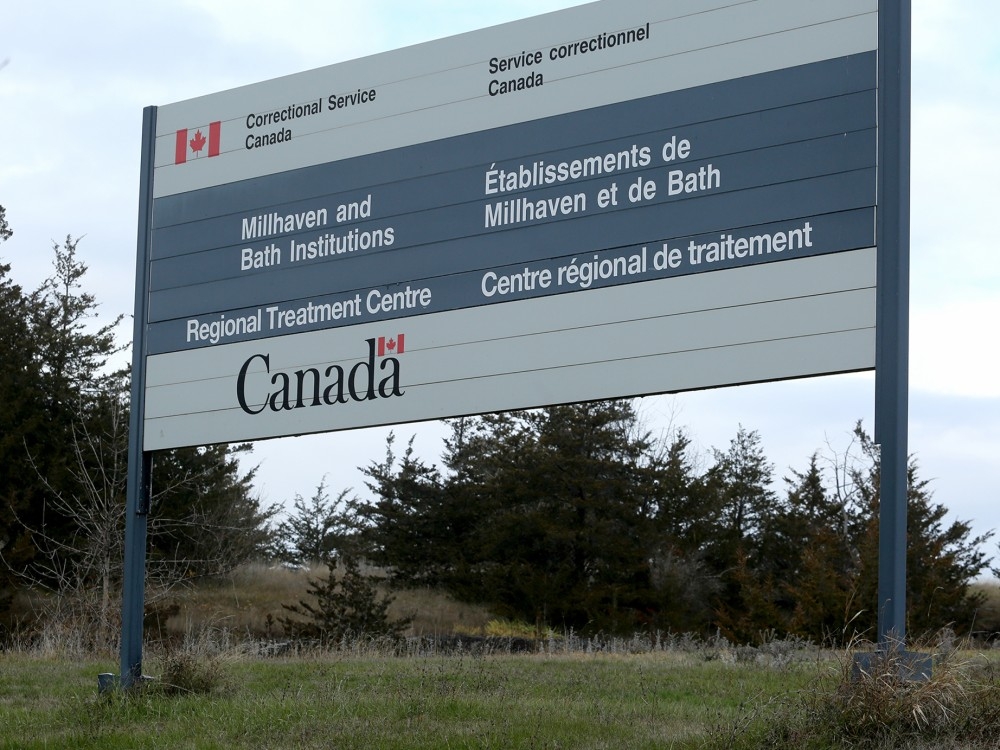
Born in Montreal in 1967, Cooper’s past is marked by a series of serious crimes committed while identifying as male. The dangerous offender designation reflects the severity of those crimes and the perceived ongoing threat to public safety. The legal proceedings now hinge on whether gender reassignment surgery fundamentally alters that risk assessment.
Cooper’s lawyer argues that, following surgery, her client is legally and medically female and therefore entitled to a transfer under correctional policy. This policy allows inmates to request transfers based on their gender identity or expression. The case is now before the Federal Court, where a judge will weigh these competing arguments.
Life within Millhaven Institution is described by Cooper as severely isolating. In a court affidavit, she details limited time outside her cell – sometimes as little as 20-30 minutes on weekends – and a lack of meaningful social interaction. She also alleges harassment from male inmates, including verbal abuse and physical assault.
The situation highlights a growing trend within the Canadian correctional system. Since March 2025, 129 inmates assigned male at birth have requested transfers to women’s institutions. Of those, 37 were approved, 72 were denied, and 22 were withdrawn, revealing the delicate balance corrections officials are attempting to strike.
Currently, 90 inmates identify as transgender women, with 17 housed in women’s prisons and 73 remaining in men’s facilities. A dozen of these inmates have undergone gender surgery, further complicating the logistical and ethical challenges faced by the Correctional Service of Canada. The outcome of Cooper’s case could set a significant precedent for future transfer requests.
The core of the issue extends beyond legal definitions and policy. It forces a confrontation with difficult questions about rehabilitation, the complexities of gender identity, and the paramount need to ensure the safety and well-being of all incarcerated individuals.