For decades, Canadian veterans of the Persian Gulf War have sought a simple, yet profound, recognition of their service: an inscription on the National War Memorial in Ottawa. Despite their persistent lobbying, internal government documents reveal a reluctance to acknowledge the conflict alongside Canada’s most devastating military engagements.
The war, which concluded 35 years ago, was dismissed by Department of Veterans Affairs staff as a “smaller, less costly conflict.” This assessment, unearthed in internal emails, formed the basis for denying the veterans’ requests for inclusion on the Cenotaph, the nation’s central monument to fallen soldiers.
Over 4,000 Canadians deployed between 1990 and 1991, participating in the international effort to liberate Kuwait from Iraqi occupation. Though Canada ultimately suffered no combat fatalities, the documents acknowledge that many returning soldiers carried invisible wounds – “heavy burdens” borne in the aftermath of their service.
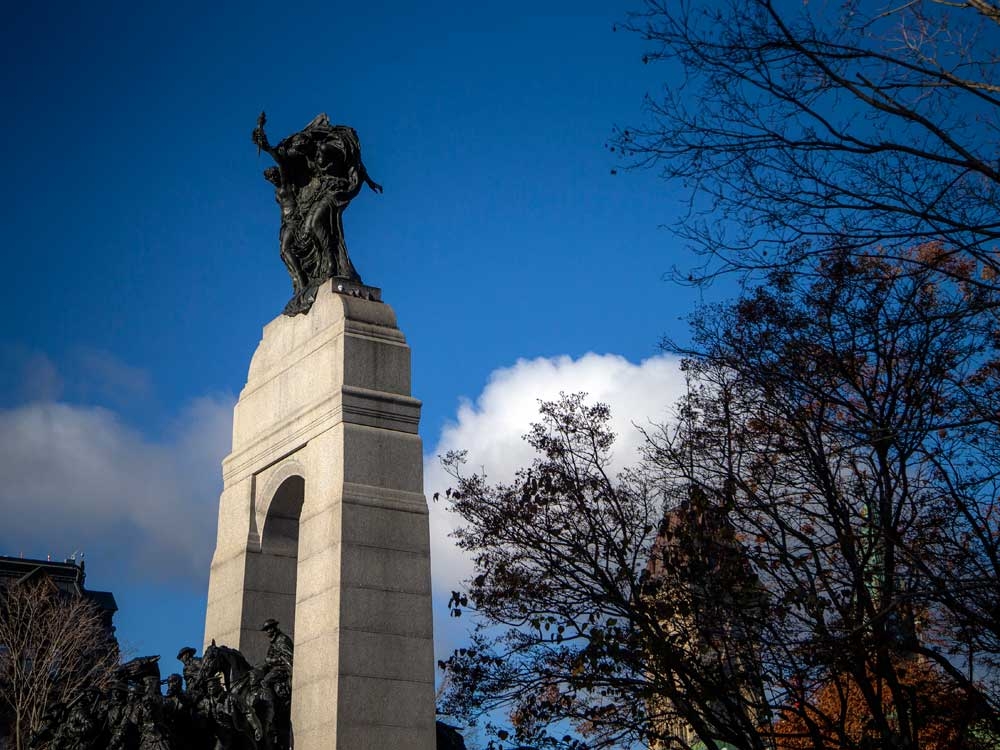
The National War Memorial currently bears inscriptions commemorating the South African War, both World Wars, the Korean War, and the mission in Afghanistan – conflicts defined by significant Canadian casualties. These are considered Canada’s five most costly military engagements in terms of lives lost, according to a departmental memo.
A 2014 addition to the memorial, the phrase “in service to Canada,” was intended to encompass all Canadian military members and veterans, including those who served in lesser-known conflicts. However, officials lamented that the inscription’s meaning was widely misunderstood by the public.
Persian Gulf Veterans of Canada have twice been rebuffed by departmental advisory groups. The prevailing sentiment, as expressed in a recent staff email, is that any new inscription must reflect the same “intensity, longevity and degree of sacrifice” as the existing memorials.
Furthermore, officials stipulated that broad support from both the veteran community and the Canadian public would be necessary before considering any expansion of the monument’s inscriptions. The veterans’ quiet struggle for recognition continues, a testament to the enduring impact of a conflict often overshadowed by larger, more devastating wars.