The death of Nemesio Oseguera Cervantes, known as “El Mencho,” leader of the Jalisco New Generation Cartel, has unleashed a wave of violence and prompted a massive security response across Mexico, particularly in the state of Jalisco.
Immediately following the operation that resulted in El Mencho’s demise, retaliatory attacks erupted, including widespread roadblocks and the deliberate burning of vehicles. These acts of defiance spread across multiple states, signaling the cartel’s immediate and forceful reaction to the loss of its leader.
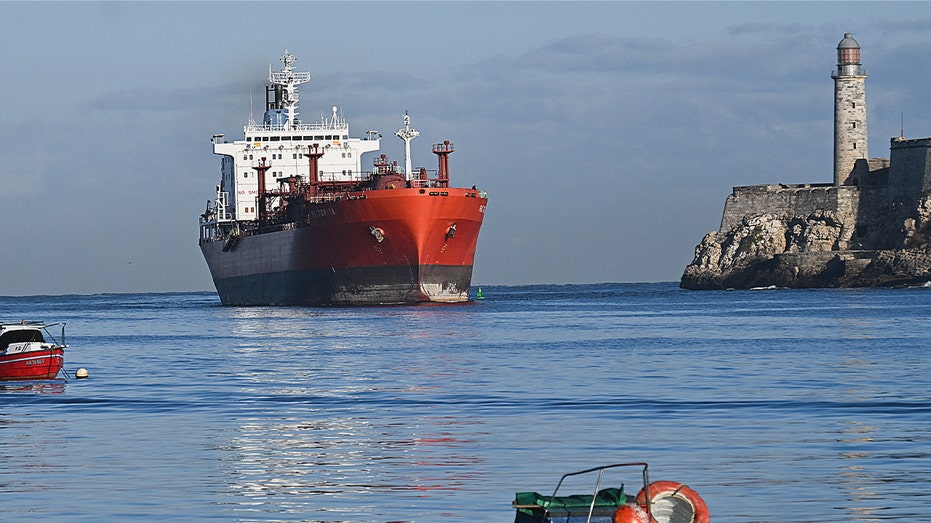
In response, the Mexican Navy dispatched reinforcements to key areas, including the popular resort city of Puerto Vallarta. A naval vessel, the ARM “Usumacinta,” arrived carrying 103 Marines and tactical vehicles, bolstering surveillance and security operations.
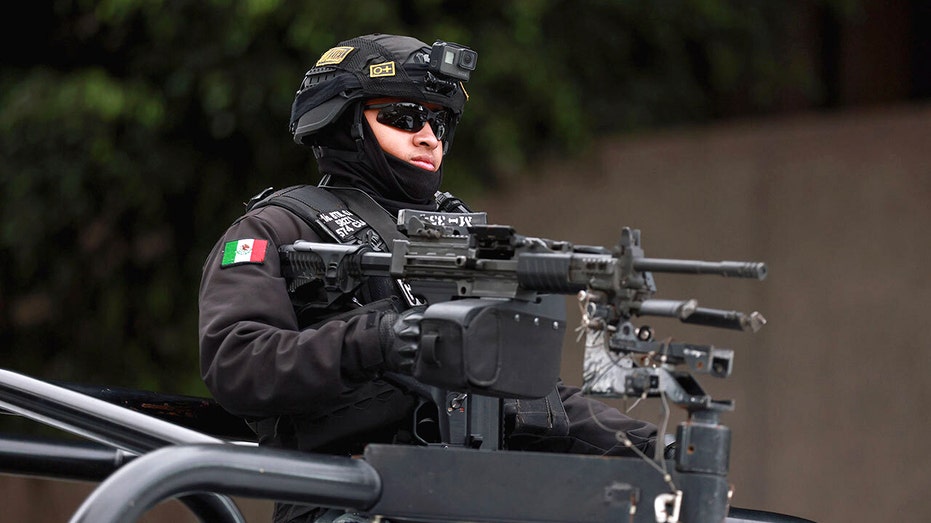
Beyond the naval deployment, approximately 2,000 additional soldiers were sent to Jalisco to assist in restoring order. These forces are conducting coordinated patrols by land, sea, and air, aiming to regain control of affected regions.
Mexican officials are touting El Mencho’s death as a significant victory against organized crime, but experts caution that eliminating a cartel leader doesn’t guarantee lasting peace. The complex structure of these organizations often allows them to endure even after the removal of key figures.
Analysts point to a potential power vacuum within the Jalisco New Generation Cartel, as El Mencho had not designated a clear successor. This lack of defined leadership could trigger internal disputes and intensify existing conflicts with rival criminal groups.
Turf wars, particularly in the states of Guanajuato and Michoacán, are expected to escalate as competing factions attempt to exploit the cartel’s vulnerability. The struggle for dominance could prolong instability and increase violence in these regions.
While the operation represents a demonstration of state authority and a potential diplomatic win for President Claudia Sheinbaum, achieving lasting pacification remains a formidable challenge. Sustaining a comprehensive security strategy will be crucial.
The immediate aftermath saw disruptions to transportation and public services, but authorities have reported that transit corridors are reopening and airline operations are gradually returning to normal, including the resumption of domestic flights at Puerto Vallarta International Airport.
Despite the progress in restoring essential services, heightened security measures remain in place, and authorities are collaborating with international partners to ensure the safety of travelers and tourists at key transit hubs.
The long-term impact of El Mencho’s death remains uncertain. The resilience of the cartel’s decentralized cells and the Mexican government’s ability to maintain a sustained security presence will determine whether the current surge in troops can prevent a broader escalation of violence.