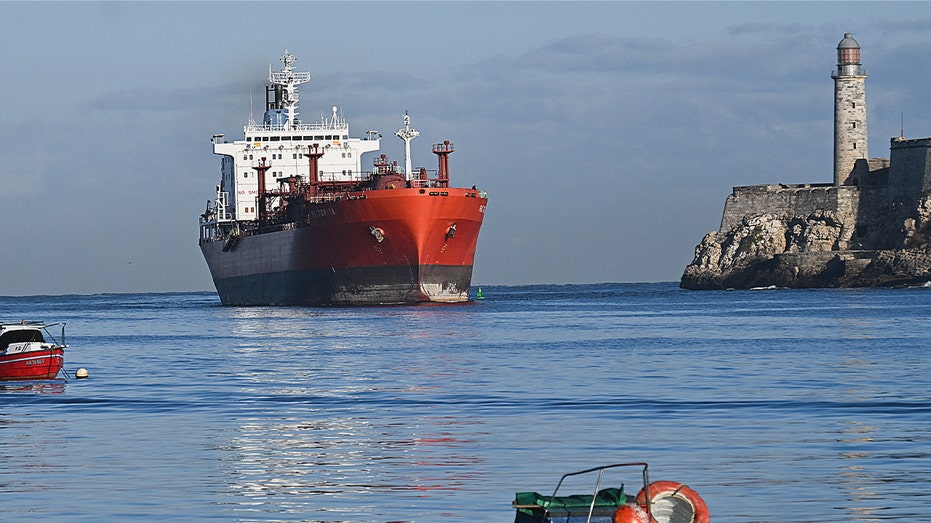
A ghost ship, cloaked in digital shadows, is navigating a complex game of cat and mouse with international authorities. The vessel, known as Sea Horse, is suspected of carrying Russian fuel to Cuba, employing a series of calculated maneuvers to evade detection and scrutiny.
Maritime intelligence reveals the tanker isn’t traveling openly. Instead, it’s utilizing “dark fleet” tactics – manipulating its signal and engaging in secretive offshore transfers – a deliberate attempt to obscure its true destination and origin.
Recently, the Sea Horse’s signal appeared as “roaming” off the U.S. East Coast, a subtle but telling indicator of its efforts to remain untraceable. This comes amidst escalating pressure from the U.S. aimed at disrupting Cuba’s fuel supplies and targeting those who facilitate oil deliveries.
The ship initially broadcast Havana as its destination, flying under a Hong Kong flag. But this was a carefully constructed facade. The Sea Horse quietly altered course, initiating a pattern of deception that continues to unfold.
Its Automatic Identification System (AIS) signal was first adjusted to indicate a vague arrival in the “Caribbean Sea” – a deliberately ambiguous location designed to conceal its final port. This was followed by another shift, claiming Gibraltar as its destination, even after already passing through the strait, a logistical impossibility.
The loading of the cargo itself was shrouded in secrecy. Intelligence suggests a ship-to-ship (STS) transfer occurred offshore near Cyprus, with the tanker’s AIS signal temporarily deactivated. This blackout is a hallmark of deceptive maritime operations, intended to bypass regulatory oversight.
Data confirms a significant increase in the vessel’s draft shortly after leaving an area known for the storage and transfer of Russian oil cargoes. The Sea Horse lingered in this zone for two weeks, seemingly waiting for the opportune moment to load its illicit cargo.
These STS transfers, conducted in international waters beyond the reach of port authorities, have become a common tactic for circumventing sanctions and evading detection in the oil trade. They represent a calculated risk, but one increasingly embraced by those seeking to profit from restricted resources.
AIS manipulation, ambiguous destination reporting, and clandestine transfers are now standard practice for this “shadow fleet,” enabling the continued flow of Russian oil despite international sanctions. It’s a sophisticated network built on layers of deception.
Cuba is currently grappling with a severe energy crisis, exacerbated by the recent halt of oil shipments from Venezuela, its primary supplier, following U.S. intervention. Mexico, another key provider, has also suspended deliveries, leaving the island nation in a precarious position.
The Sea Horse’s journey isn’t simply about delivering fuel; it’s a symptom of a larger geopolitical struggle, a testament to the lengths some will go to navigate a world of sanctions and shifting alliances. It’s a story of shadows, secrets, and the relentless pursuit of resources.