A fleeting video ignited a firestorm online: a woman bearing a striking resemblance to Ghislaine Maxwell, the convicted accomplice of Jeffrey Epstein, seemingly walking free in Quebec City. The 13-second clip, filmed from a passerby’s phone, quickly went viral, fueling speculation and a surge of disbelief.
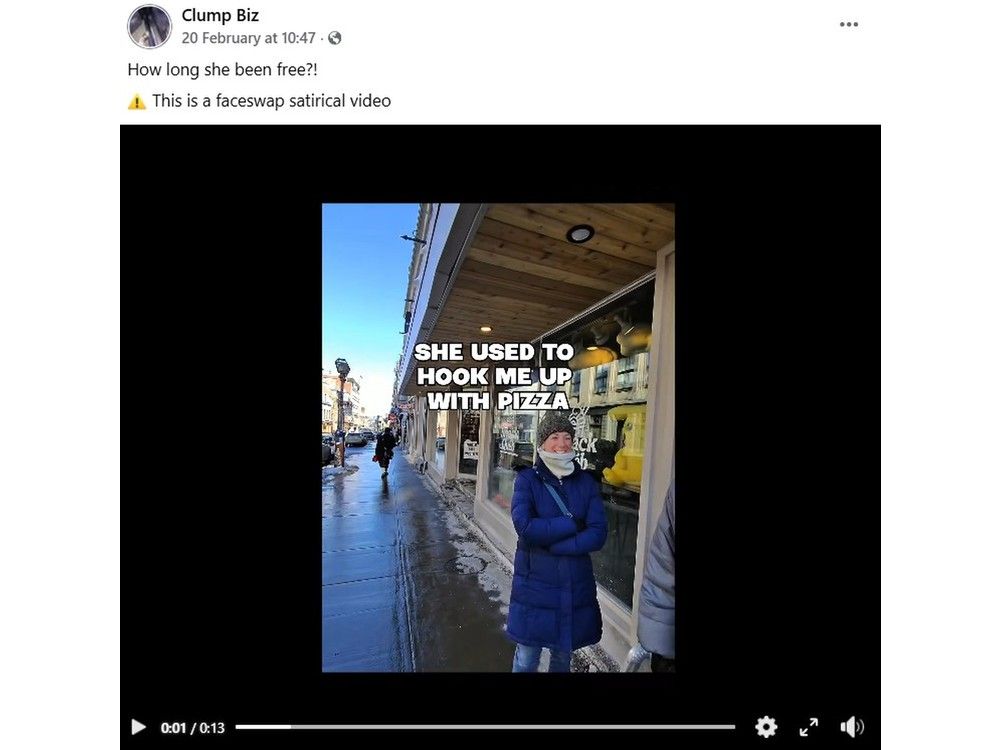
The video shows a brief exchange. “Ghislaine? Do I know you?” the filmer asks the woman in a winter coat. Her reply is a simple, “No. Sorry.” Then comes the bizarre claim: “I used to order hella pizza off of her… she always delivered.” The implication was shocking, given Maxwell is currently serving a 20-year sentence for her horrific crimes.
Maxwell’s conviction in December 2021 stemmed from her central role in Epstein’s decade-long scheme of sexual exploitation and abuse of underage girls. She remains incarcerated in the United States, a fact that made the Quebec City sighting so sensational – and ultimately, so false.
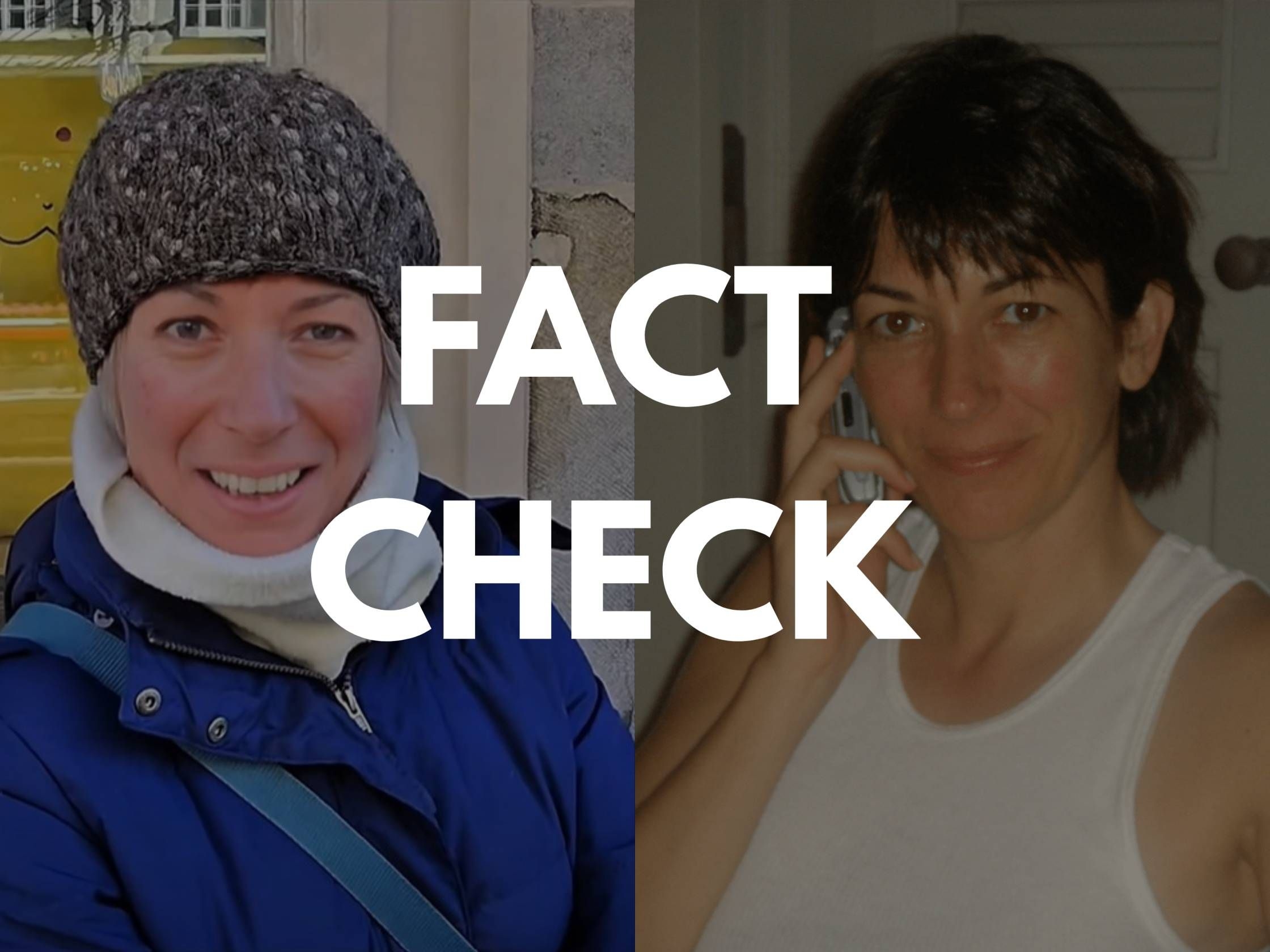
The Instagram account that originally posted the video, clump.qc, amassed a staggering 7 million views, sparking numerous articles attempting to debunk the claim. A subtle glitch in the woman’s face, barely noticeable during the initial viewings, hinted at something amiss.
The truth emerged: the video was a deliberate fabrication, a “face swap” created using readily available technology. The account holder, a 19-year-old from Quebec City, confessed his intent was satire, an attempt at “ironic and absurd” content. He’d previously used the same technique on images of prominent figures like the Quebec Premier and the Israeli Prime Minister.
“I don’t make these kinds of videos to start controversies,” the creator explained, realizing the unintended consequences of his joke. The clip rapidly spread beyond his control, being reproduced and shared in ways he hadn’t anticipated. He added warnings and disclaimers to his posts, directing viewers to his other satirical work.
Despite the backlash – including a flood of insults and even threats – the creator refuses to remove the video, stating, “It’s Instagram, not a news outlet.” Local police declined to comment on any potential complaints related to the incident.
The incident highlights a growing concern: the ease with which convincing deep fakes can now be produced. According to digital media literacy expert Julie Corrigan, fake news is nothing new, but the tools to create it are becoming alarmingly accessible and inexpensive.
Previously requiring specialized skills and costly software, video and image manipulation can now be achieved with artificial intelligence. “These days with AI, we don’t even need those skills,” Corrigan explained. “They’re produced at scale by bots.”
Corrigan stresses the importance of critical thinking and due diligence when consuming information online. She advises asking two key questions: Who created the content, and what was their motivation?
Fact-checking is crucial. Corrigan recommends utilizing resources like Snopes, Wikipedia, and even searching YouTube for tutorials on how to identify fake videos. She’s even taught sixth graders how to perform reverse image and video checks, empowering them to become discerning consumers of online content.