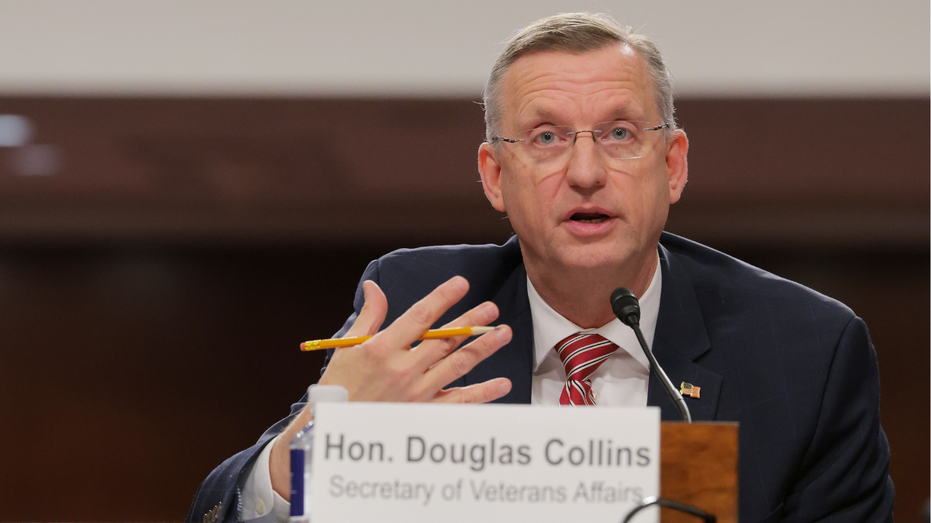
The hushed weight of national security descended on one member of the President’s cabinet during the recent State of the Union address. While the nation watched the President speak, Veterans Affairs Secretary Doug Collins carried a far more solemn responsibility – he was the designated survivor.
This isn’t a new role for Secretary Collins; he fulfilled the same critical function during last year’s address. The designation means he was quietly, and securely, removed from the Capitol building, shielded from any potential disaster that might befall those gathered for the speech.
The moment the President began to speak, Collins was escorted to an undisclosed, highly protected location. His absence from the joint session of Congress wasn’t a snub, but a vital component of a decades-old security protocol.
The practice stems from the chilling realities of the Cold War, born from the very real fear of a catastrophic nuclear attack. The aim was simple: ensure the survival of a line of leadership, no matter the cost.
The State of the Union address presents a uniquely vulnerable moment. It concentrates nearly the entire leadership of the United States government – the President, Vice President, Congress, Supreme Court, and Cabinet – in a single, potentially targeted location.
The designated survivor isn’t simply a backup plan; it’s a crucial element of the Presidential Succession Act. Should a devastating event eliminate those ahead in the line of succession, this individual, if meeting constitutional requirements, could be sworn in as President.
This isn’t a role anyone *wants* to fulfill, but it’s one taken with profound seriousness. Though never activated, the designated survivor stands as a powerful, silent testament to the extensive and often unseen layers of security protecting the nation.
It’s a constant, quiet preparation for the unthinkable – a safeguard ensuring that even in the face of unimaginable tragedy, the continuity of American government would endure.