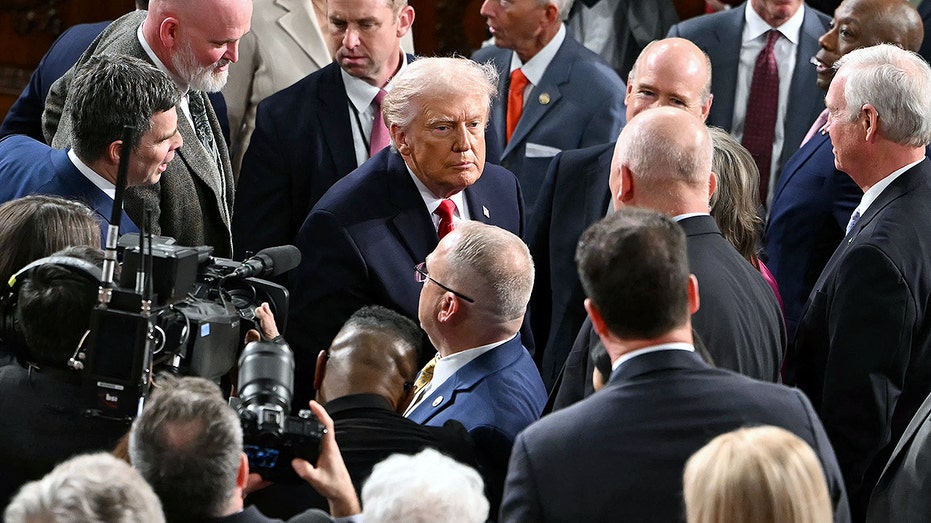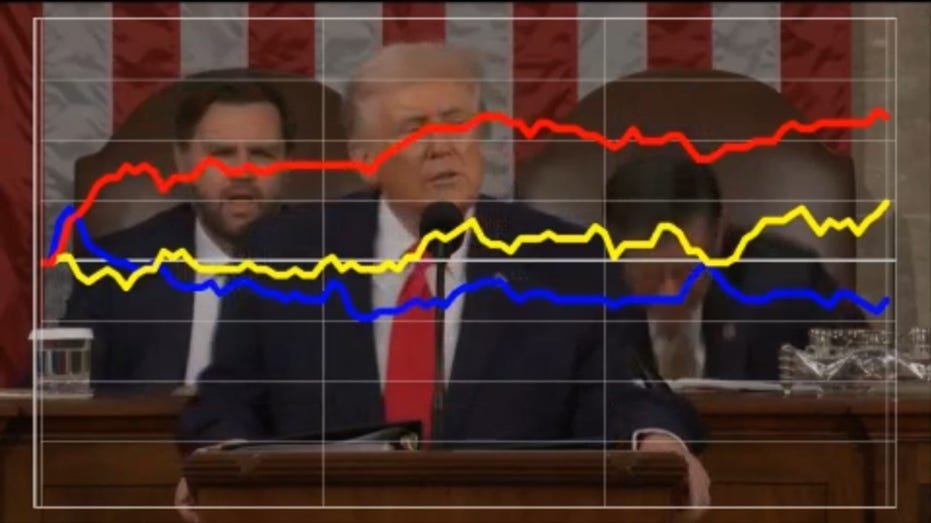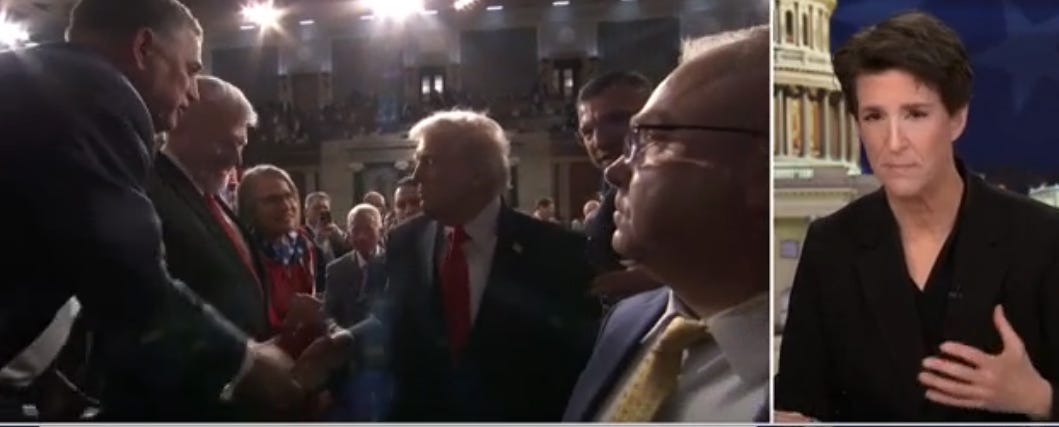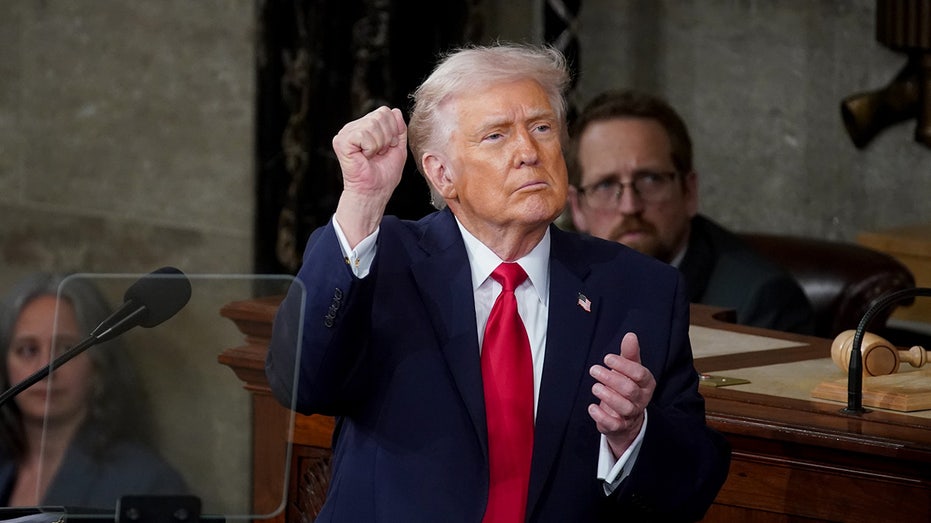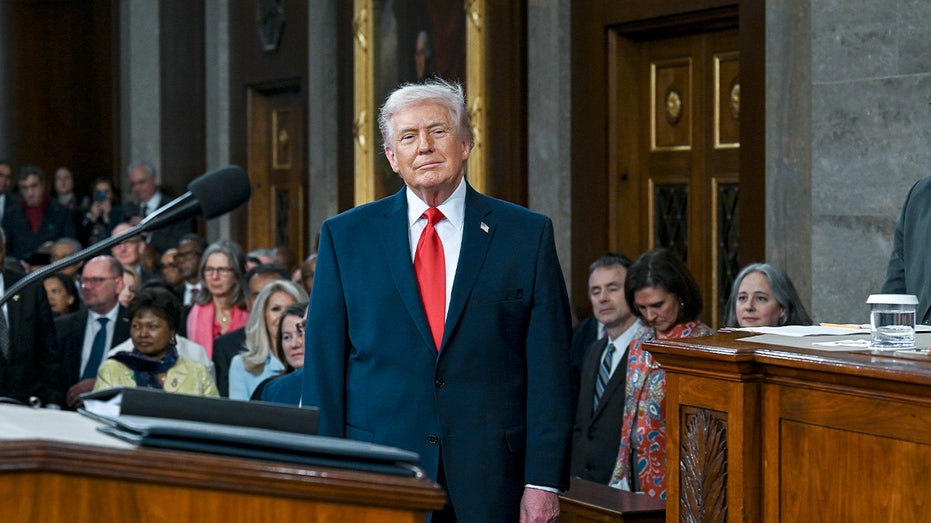
The chamber buzzed with anticipation, but this wasn’t just another State of the Union address. It stretched on, becoming the longest in modern history – nearly two hours of a president determined to paint a picture of a nation dramatically transformed. Donald Trump didn’t simply deliver a speech; he presented a narrative of a national “turnaround,” a story woven with economic boasts and stark challenges to his opposition.
Almost immediately, the evening fractured. Representative Al Green, a Texas Democrat, made a defiant stand, holding a sign that ignited controversy. The message – a pointed accusation – was met with swift action as Green was escorted out, a scene echoing a previous disruption and subsequent censure. The tension was palpable, a stark illustration of the deep divisions within the nation’s capital.
But amidst the political clashes, moments of genuine unity emerged. The U.S. men’s hockey team, fresh off a stunning Olympic gold medal victory, was invited as a symbol of American excellence. A wave of “USA!” chants erupted as lawmakers, regardless of party affiliation, rose to honor these athletes. The energy in the room shifted, a collective acknowledgment of national pride.
Goaltender Connor Hellebuyck, the architect of the team’s victory with an astounding 41 saves, was singled out for an extraordinary honor: the Presidential Medal of Freedom. Trump described the story of Hellebuyck’s performance, a testament to skill and resilience, and announced the recognition, a rare and prestigious acknowledgement of athletic achievement.
The president didn’t shy away from confrontation. He directly challenged Democrats on their economic policies, accusing them of unleashing inflation and exacerbating the housing crisis. He then turned to the issue of border security, demanding a clear affirmation of priorities. “The first duty of the American government is to protect American citizens, not illegal aliens,” he declared, a statement met with a striking visual – Republicans rising in support, Democrats remaining seated.
A heated exchange followed, Trump directly addressing those who didn’t stand. The moment underscored the fundamental disagreements on immigration policy, a core issue dividing the two parties. He called for an end to sanctuary cities and stricter penalties for officials obstructing the deportation of individuals deemed a threat.
The evening took another dramatic turn when Representative Ilhan Omar, a Minnesota Democrat, openly challenged the president, her voice rising with accusations. The outburst stemmed from Trump’s discussion of alleged fraud within the Somali community and criticism of Democratic funding cuts to Homeland Security. The exchange highlighted the raw emotions and deep-seated disagreements simmering beneath the surface.
Yet, woven throughout the contentious debate were powerful tributes to American heroism. Trump honored veterans spanning multiple wars, delivering a series of deeply moving moments. He presented the Medal of Honor to 100-year-old Royce Williams, a World War II naval aviator whose legendary dogfight remained a secret for over half a century.
Williams’ story, recounted with vivid detail, was one of incredible courage and skill. Outnumbered and outgunned, he reportedly downed four enemy planes while enduring a barrage of bullets to his own aircraft. The long-delayed recognition was a testament to his extraordinary service. Army Chief Warrant Officer Eric Slover and others also received honors for their bravery and sacrifice.
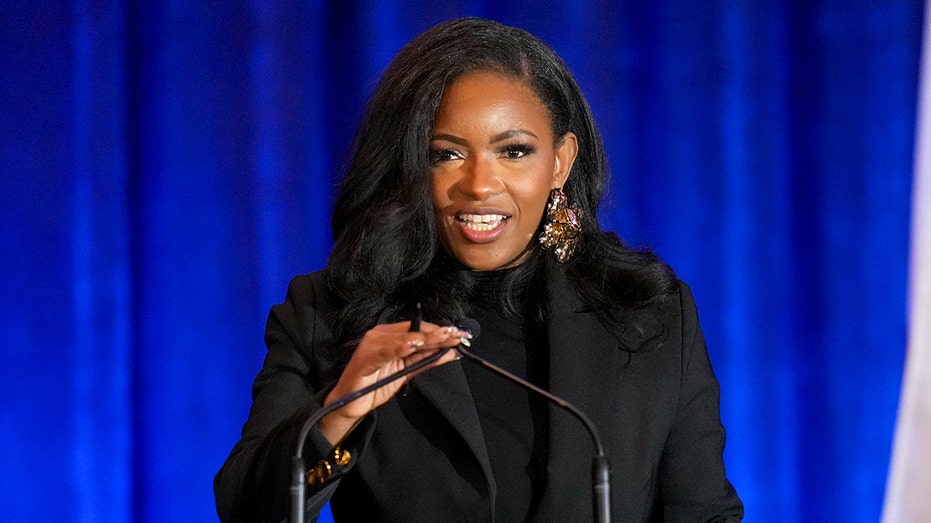
The president also shone a light on the personal tragedies impacting American families. He introduced Dalilah Coleman, a young girl whose life was forever altered by a devastating car crash caused by a truck driver who was in the country illegally. Dalilah’s story, a testament to resilience, resonated deeply with those present.
Trump detailed the improbable progress Dalilah had made, defying medical predictions and now thriving in the first grade. Her presence served as a poignant reminder of the human cost of policy decisions and the enduring power of the human spirit. It was a moment that transcended political divides, a shared acknowledgment of a young girl’s extraordinary fight.
The State of the Union address wasn’t simply a recitation of policy proposals; it was a dramatic performance, a collision of political ideologies, and a tribute to American courage. It was an evening of stark contrasts – unity and division, celebration and confrontation – leaving a lasting impression on those who witnessed it.