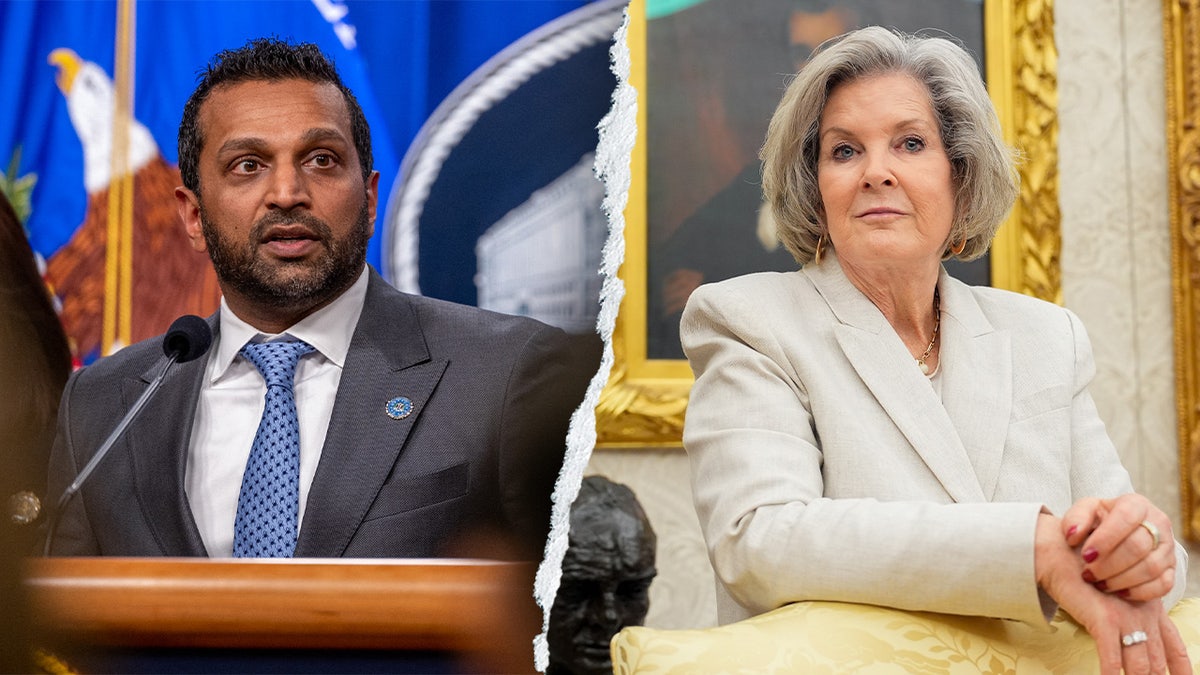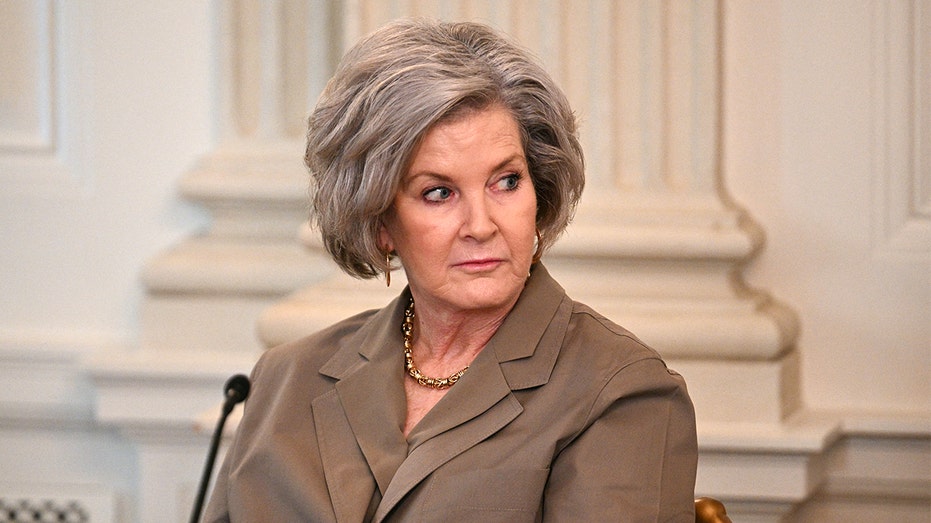
A chilling revelation has emerged regarding the actions of the Justice Department under the current administration. Former FBI Director Kash Patel has disclosed that Jack Smith, the special counsel, and the DOJ subpoenaed phone records of both Patel himself and Susie Wiles, now the White House chief of staff.
This surveillance occurred while both individuals were private citizens, and crucially, while Wiles was actively co-managing President Trump’s election campaign. The implications are staggering, suggesting a targeted effort to monitor individuals connected to a political opponent.
The situation escalated to an even more disturbing level when the FBI wiretapped a conversation between Wiles and her attorney. Shockingly, the lawyer was aware of the wiretap and failed to disclose this critical information to their client – a profound breach of ethical duty.
Attorney-client privilege is a cornerstone of the legal system, designed to ensure candid communication between lawyers and their clients. This principle allows for full and honest representation, free from the fear of disclosure. Its protection is considered sacrosanct.
The lawyer’s actions represent a severe violation of professional conduct rules. These rules explicitly prohibit the disclosure of confidential client information and prevent attorneys from representing conflicting interests. A lawyer collaborating with the FBI against their client is a betrayal of the adversarial process.
Beyond ethical breaches, Wiles may have grounds for a malpractice lawsuit against her attorney, as well as legal action against both the lawyer and the FBI agents involved under the Wiretap Act. The law demands minimization procedures to protect privileged communications during authorized wiretaps.
These wiretaps, authorized under Title III, require strict adherence to Justice Department and judicial oversight. The law mandates procedures to minimize the interception of privileged conversations, often utilizing separate legal teams to screen for sensitive information.
Criminal charges could also be pursued. FBI agents could face prosecution for unauthorized interception and disclosure of communications, while the lawyer could be charged as a conspirator. Even with a valid warrant, intentionally recording privileged attorney-client conversations is a clear overreach.
The gravity of this situation cannot be overstated. The Justice Department targeted allies of a leading political opponent without evidence of wrongdoing, and then proceeded to violate the sanctity of attorney-client privilege. This echoes the tactics of J. Edgar Hoover, a dark chapter in FBI history.
Patel’s exposure of this conduct is a critical step towards accountability. Files were deliberately concealed, labeled as “prohibited,” even from current FBI leadership. His actions have already resulted in the removal of ten FBI agents involved in this operation.
However, this is only the beginning. Those responsible must face significant legal, political, and financial consequences. The abuse of power that nearly undermined the Republic must never be allowed to happen again, and a full accounting of the extent of these investigations is urgently needed.
The question now is: who else was targeted? Uncovering the full scope of these investigations, particularly any further violations of attorney-client privilege, is paramount to safeguarding the principles of justice and protecting against future abuses of power.