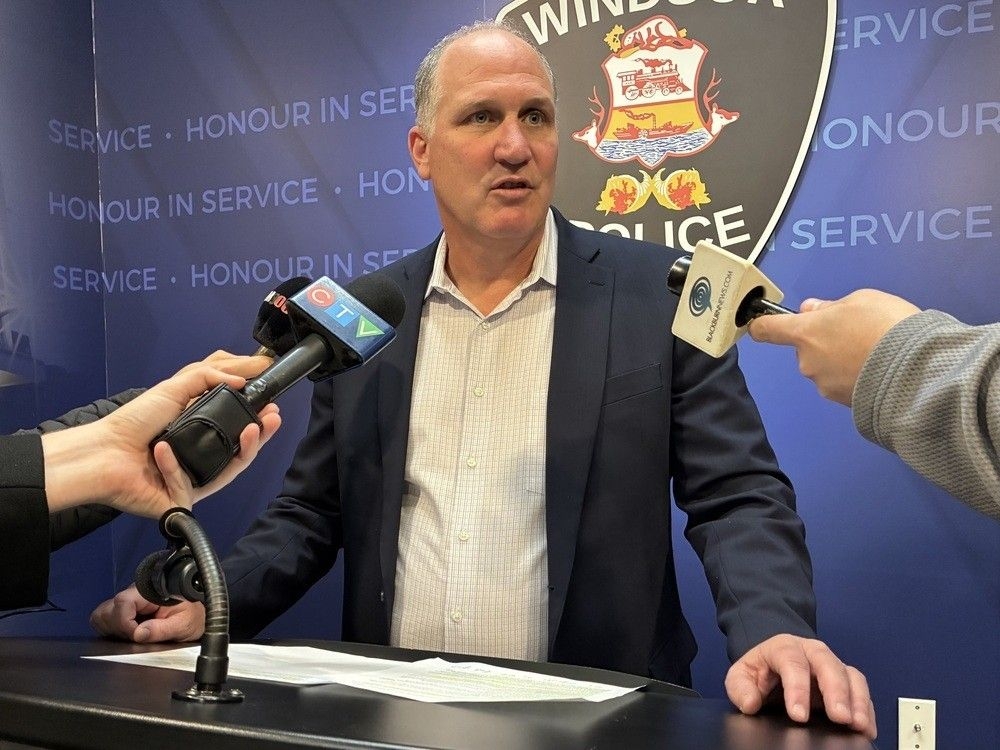
Windsor has quietly stepped back from years of intense negotiation with the Ambassador Bridge company, a move prompted by a sobering realization: as much as $3 million has been spent on legal battles and studies with little to show for it. Mayor Drew Dilkens revealed the city’s shift in strategy, acknowledging a frustrating impasse despite diligent efforts to reach a comprehensive agreement.
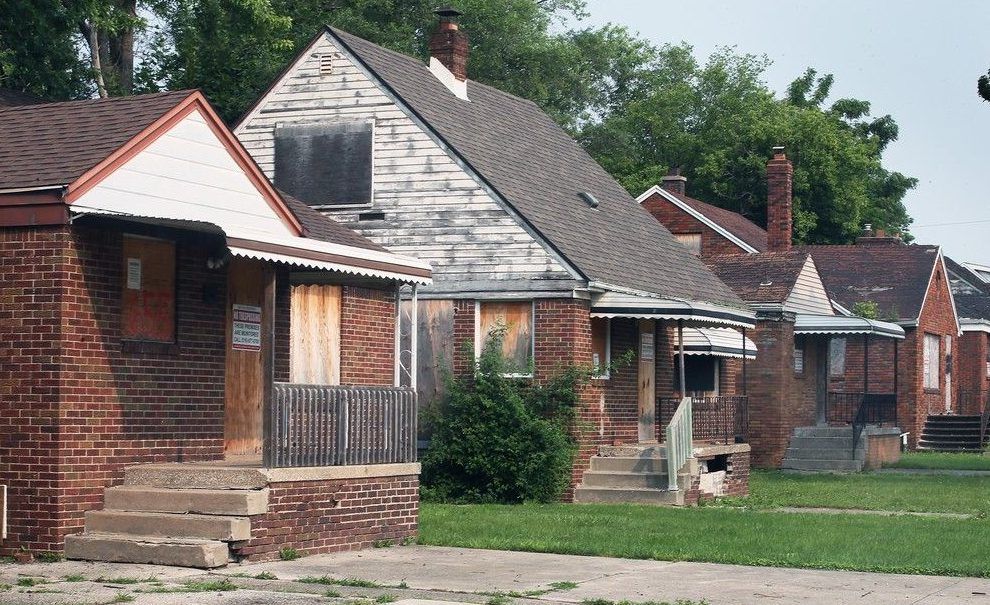
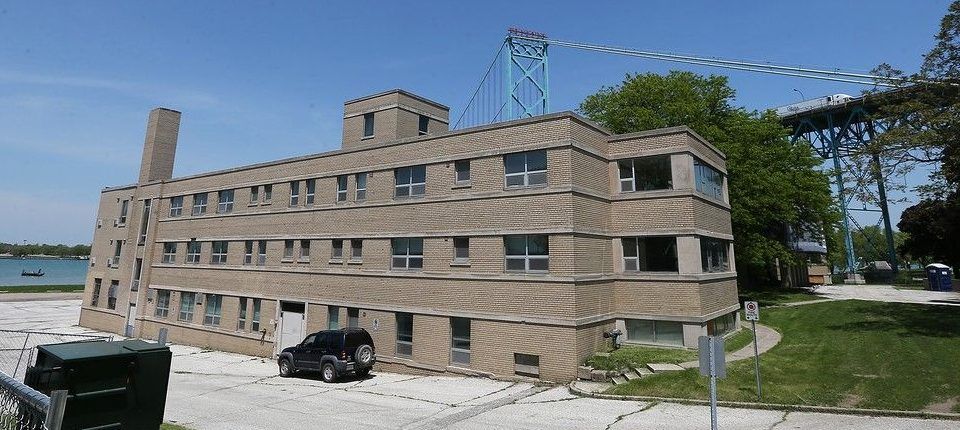
The core of the dispute revolves around several long-standing issues, including dilapidated, boarded-up homes in the Sandwich Town neighborhood owned by the bridge company, the fate of the former Villa Maria property, and the necessary relocation of a city fire hall to accommodate a new inspection plaza. These points of contention have dragged on for decades, consuming significant city resources.
Dilkens explained that the city explored every possible solution, even conducting extensive engineering studies on a major sewer line running beneath the proposed inspection plaza site. However, the bridge company’s willingness to compromise remained elusive, leading to a growing sense that the city’s investment was being squandered.
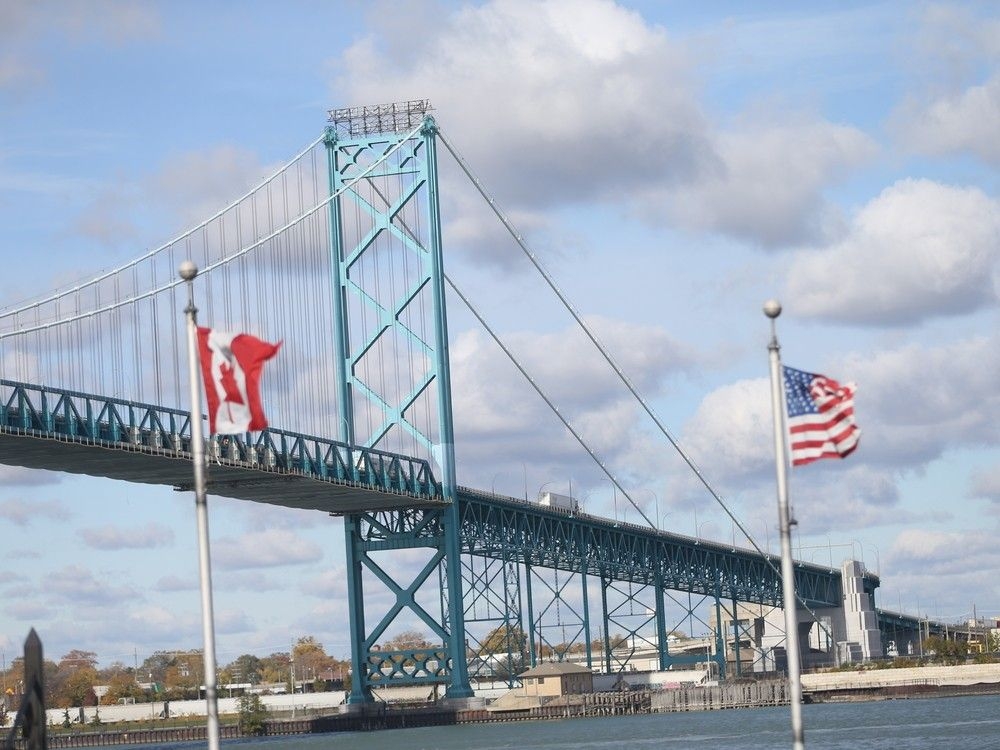
The timing of this decision is particularly noteworthy, coming shortly after U.S. President Donald Trump’s threats to block the opening of the competing Gordie Howe International Bridge. This external pressure underscores the Ambassador Bridge company’s vested interest in maintaining its dominance as a key border crossing.
For years, the mayor believed a resolution was within reach, citing productive conversations with bridge owner Matthew Moroun. But that optimism has faded, replaced by the conviction that previous discussions were largely unproductive. “A lot of that was just wasted time, and unfortunately, wasted legal money,” Dilkens stated bluntly.
The city currently maintains ten active lawsuits against the Ambassador Bridge company, a testament to the deeply entrenched conflict. While the Supreme Court of Canada previously sided with Windsor in a dispute over the boarded-up homes, the legal battles continue to drain city coffers and divert attention from other priorities.
Dilkens expressed a lack of surprise regarding a recent million-dollar donation made by the bridge owners to a political fund supporting President Trump, particularly given Moroun’s subsequent lobbying efforts against the Gordie Howe Bridge. He believes this behavior is driven by a desire to protect the Ambassador Bridge’s lucrative toll revenue.
The impending opening of the Gordie Howe Bridge, with its modern highway connections, poses a significant threat to the Ambassador Bridge’s business. Built in 1929, the Ambassador Bridge relies on a local road network with traffic lights, a stark contrast to the seamless flow offered by its new competitor.
Despite the current impasse, Dilkens maintains an open line of communication with Moroun, though their last conversation was several months ago. He acknowledges the frustration of residents living near the neglected properties and insists the city’s decisions are guided by a desire to address these issues without ceding control to the bridge company.
For now, Windsor is adopting a wait-and-see approach, allowing the Ambassador Bridge company to chart its own course. The city has made it clear: no further taxpayer money will be spent pursuing a resolution until there’s a genuine indication of reciprocal commitment from the bridge company.