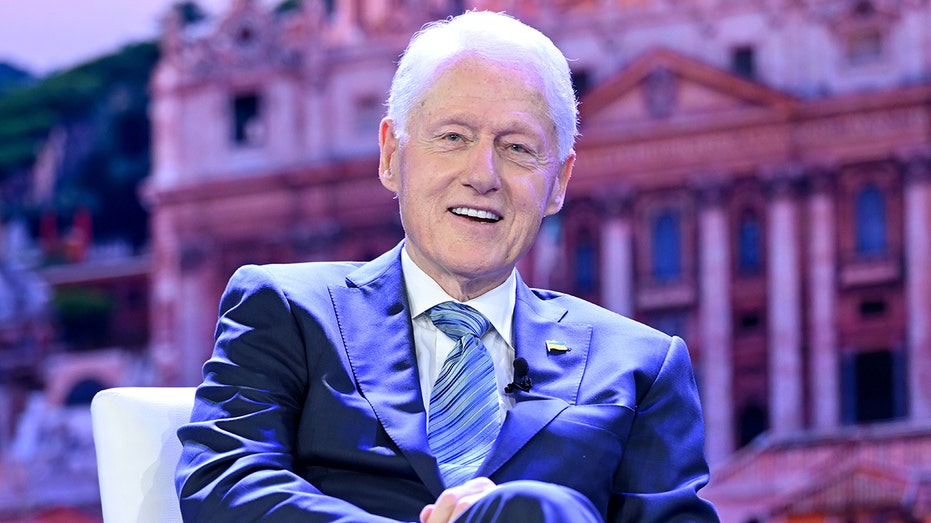
The atmosphere in Chappaqua, New York, was thick with anticipation as former President Bill Clinton began his deposition before the House Oversight Committee. The focus: a decades-old relationship with the late Jeffrey Epstein and his accomplice, Ghislaine Maxwell, and the extent of Clinton’s knowledge regarding Epstein’s horrific crimes.
From the outset, Clinton asserted his innocence, stating firmly he had “no idea” of the crimes Epstein was committing. He acknowledged the existence of photographs and past associations, but emphasized his own recollections, declaring, “I know what I saw and more importantly, what I didn't see. I saw nothing and I did nothing wrong.”
Clinton preemptively addressed the committee, anticipating difficult questions about events from twenty years prior. He cautioned lawmakers that his memory would likely be imperfect, stating he would not speculate or offer guesses, bound by his oath to provide truthful, certain answers. He stressed the unreliability of reconstructing events after so much time had passed.
Chairman James Comer, leading the bipartisan investigation, signaled a rigorous line of questioning. He highlighted the documented evidence – numerous photos and email correspondences – placing Clinton in frequent contact with Epstein. Comer revealed Epstein visited the White House seventeen times during Clinton’s presidency and that Clinton traveled on Epstein’s private plane at least twenty-seven times.
The inquiry extends beyond Epstein himself, encompassing Clinton’s relationship with Ghislaine Maxwell, currently serving a prison sentence for sex trafficking. Comer indicated the committee would delve into the nature of these connections and any potential knowledge Clinton possessed regarding Maxwell’s criminal activities.
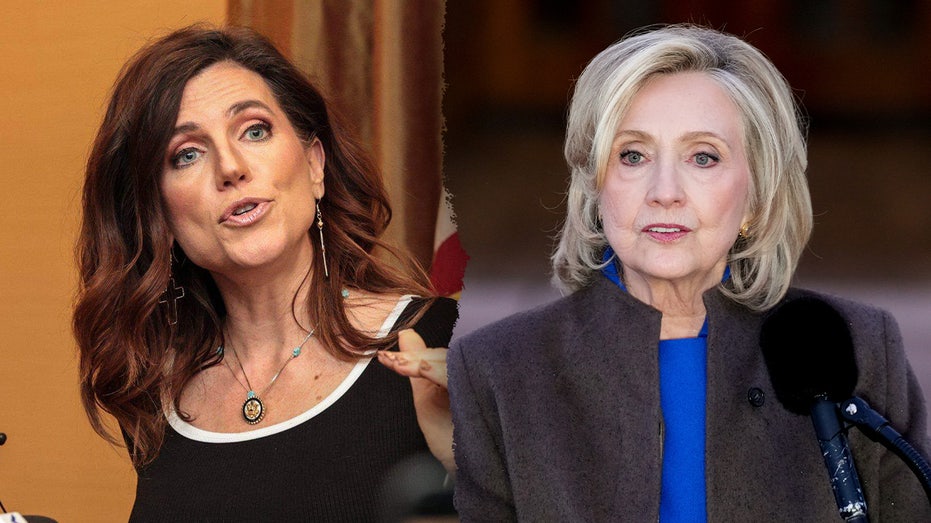
Hillary Clinton’s deposition the previous day further intensified the scrutiny. Comer noted she repeatedly deferred questions to her husband, particularly those concerning the Clinton Global Initiative and the Clinton Foundation. She claimed a lack of direct involvement during her time in the Senate, consistently directing the committee back to Bill Clinton for answers.
Evidence suggests Epstein actively boasted about his early involvement in establishing both the Clinton Global Initiative and the Clinton Foundation. These claims, initially posed to Hillary Clinton, remained largely unanswered, adding another layer of complexity to the investigation and shifting the focus squarely onto the former president.
The deposition began shortly after 11 a.m., and expectations were high for a lengthy session, mirroring Hillary Clinton’s six-hour testimony. While neither Clinton has been accused of wrongdoing related to Epstein’s crimes, their names appear repeatedly in released documents, demanding a thorough examination of their past associations.
The proceedings are taking place behind closed doors, under oath, with a full transcript to be created. A video recording of the deposition is anticipated to be released within a week, offering a comprehensive record of the questions asked and the answers provided by the former president.