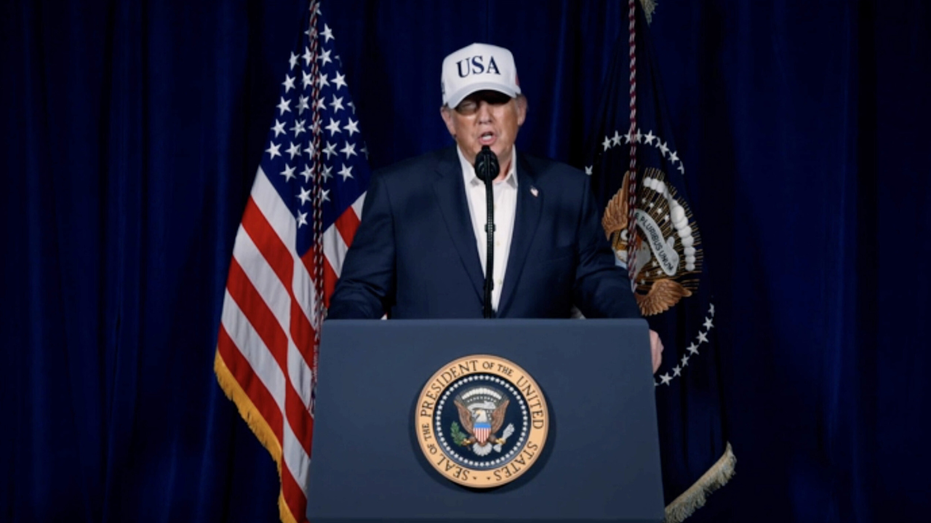
A sudden, coordinated strike against Iran, authorized by President Trump and executed with Israeli forces, has fractured the political landscape in Washington. The operation, launched in the early hours of Saturday morning, blindsided many in Congress and ignited a fierce debate over presidential authority and the path forward in the Middle East.
The most surprising element isn't the action itself, but the unexpected alliances it has forged. While most Democrats decry the strikes as reckless and a breach of constitutional protocol, a notable faction is offering support, placing blame squarely on Iran’s actions and its destabilizing influence in the region.
Representative Greg Landsman of Ohio articulated a sentiment shared by several of his Democratic colleagues, emphasizing the targeting of military infrastructure and a desire for lasting peace. He expressed hope that these strikes would dismantle the regime’s capacity for violence, ultimately liberating both the Iranian people and their neighbors.
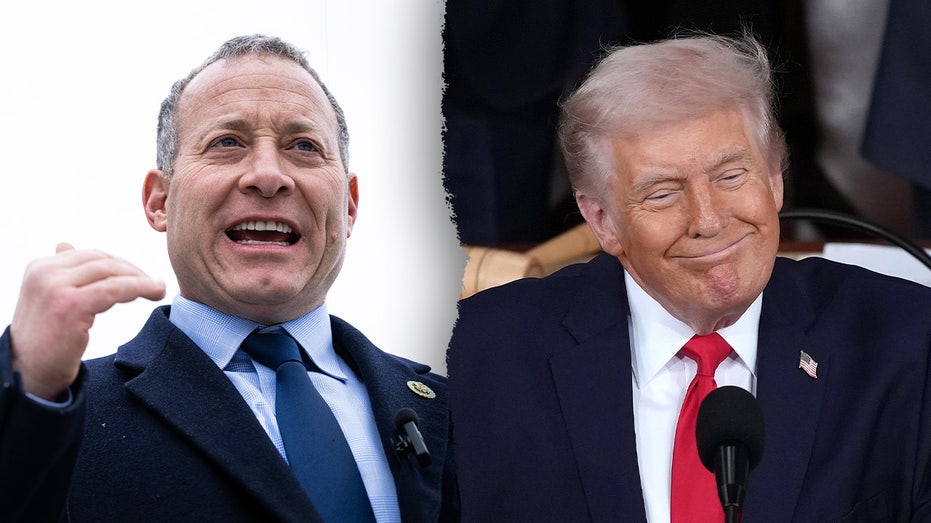
Other Democrats, including Representatives Tom Suozzi and Josh Gottheimer, and Senators Jacky Rosen and John Fetterman, echoed this focus on Iran’s culpability. They underscored the need to prevent Iran from acquiring nuclear weapons and called for a clear strategy to avoid a protracted conflict.
Senator Fetterman, in particularly strong terms, praised President Trump’s willingness to take decisive action, offering a full-throated endorsement of the operation and dismissing the prospect of a congressional vote to restrain war powers. He boldly declared his vote would be “Operation Epic Fury.”
However, a contingent of Republicans is voicing serious concerns. Representatives Warren Davidson and Thomas Massie, along with Senator Rand Paul, are questioning the legality of the strikes, arguing that any military action against Iran requires explicit congressional authorization. This challenge to executive power is resonating with those who believe the Constitution is being stretched beyond its limits.
Representative Davidson, a staunch advocate for limited government, bluntly stated the need for a government that “fits within the Constitution.” He explicitly stated his opposition to the strikes, emphasizing the constitutional requirement for congressional approval before engaging in war.
The divide has spurred legislative action. Representatives Massie and Ro Khanna have jointly introduced a resolution to limit the President’s war powers, a measure Democrats are now pushing for a vote on as early as next week. The political maneuvering signals a deep and potentially escalating conflict within Congress itself.
The response from Democratic leadership has been sharply critical. House Minority Leader Hakeem Jeffries accused President Trump of abandoning diplomacy and endangering American troops by provoking potential retaliatory attacks. Senator Chuck Schumer similarly condemned the strikes as a flawed and dangerous strategy.
The situation remains volatile, with the potential for further escalation looming large. The strikes have not only ignited a geopolitical crisis but have also exposed a profound rift within the American political system, raising fundamental questions about the balance of power and the future of U.S. foreign policy.