A seismic event unfolded Saturday as reports surfaced of a major military operation initiated against Iran, spearheaded by the United States in concert with Israel. The announcement from former President Trump immediately ignited a firestorm of debate, centering on a fundamental question of constitutional authority: who has the power to declare war?
The operation, dubbed “Epic Fury,” reportedly targeted both Iranian leadership and critical weapons infrastructure. Trump himself characterized the actions as an act of “war,” instantly thrusting the 1973 War Powers Resolution and the 2001 Authorization for Use of Military Force (AUMF) into the spotlight. These existing legal frameworks, some argue, provided a pathway for the executive branch to bypass a formal declaration of war from Congress.
Legal scholars point to a historical pattern of deference shown to presidents when exercising military judgment, even under the ambiguous standards of the War Powers Resolution. Previous administrations, both Democratic and Republican, have navigated similar legal gray areas in interventions from Bosnia to Libya. The Resolution mandates presidential consultation with Congress within 48 hours and a 60-day limit without congressional approval – a timeframe that now looms large.
However, the possibility of congressional intervention remains. Experts suggest that lawmakers could move to restrict or halt the operation, though many may initially hesitate, awaiting a clearer picture of the initial results and gauging public reaction. The longer “Epic Fury” continues, the louder the calls for congressional oversight are expected to become.
A compelling argument supporting the legality of the operation centers on the 2001 AUMF. Proponents claim that Iran’s alleged role as a haven for al-Qaeda provides justification under the law, which authorizes force against those who planned or harbored the perpetrators of the 9/11 attacks. This interpretation highlights Congress’s own inaction over two decades, having consciously preserved the president’s authority to pursue terrorists globally.
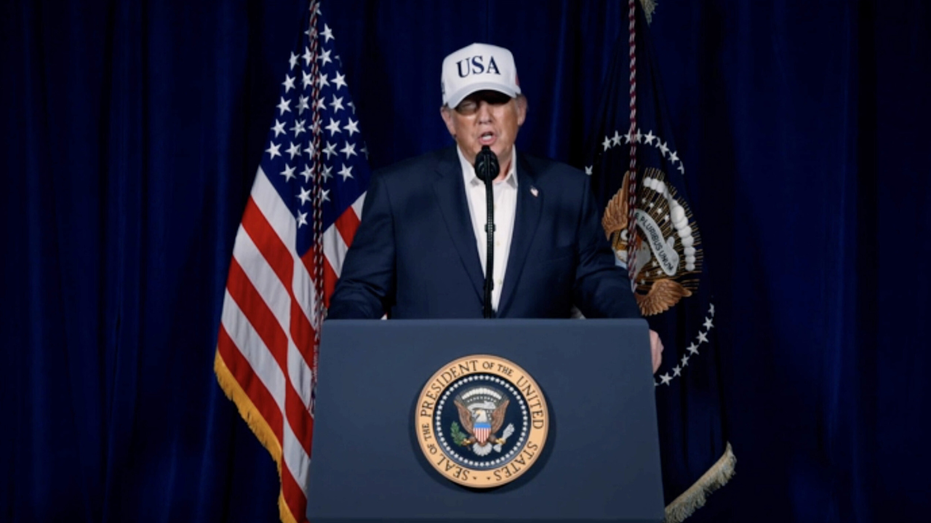
Trump’s own statements underscored the gravity of the situation, acknowledging the potential for American casualties and explicitly using the term “war.” He framed the operation as a “noble mission,” yet didn’t shy away from the inherent risks and sacrifices involved. The possibility of loss of life adds a stark human dimension to the complex legal and political considerations.
Intriguingly, some reports suggest a deliberate division of labor between the U.S. and Israel, potentially designed to navigate legal obstacles. Israel is believed to be focusing on Iranian leadership, while the U.S. targets missile sites presenting an “imminent threat.” This strategic allocation of responsibilities may be an attempt to sidestep restrictions on directly targeting heads of state.
The White House maintains it proactively engaged with Congress, briefing key lawmakers – the “Gang of Eight” – prior to the operation. This preemptive communication, while not negating the constitutional questions, demonstrates an attempt to maintain transparency and build support. The Pentagon followed up with briefings to the Armed Services committees once the strikes commenced.
The response from Capitol Hill has been predictably divided. Republicans have largely voiced support for the former president’s actions, citing Iran’s nuclear ambitions and lack of diplomatic engagement. Democrats, however, have expressed strong criticism, demanding justification and a clear articulation of the operation’s objectives.
A bipartisan chorus of lawmakers is now preparing a war powers resolution aimed at blocking further U.S. military action in Iran without congressional approval. Similar attempts have failed in the past, but the current circumstances – and the potential for escalation – have renewed the urgency of asserting Congress’s constitutional authority. The debate over war powers, dormant for years, has been violently resurrected.
Senator Rand Paul, a staunch advocate for limited government, powerfully invoked the wisdom of James Madison, who cautioned that the executive branch is “most prone to war” and that the Constitution deliberately vested war powers in the legislature “to make war less likely.” This historical perspective underscores the fundamental principles at stake in this unfolding crisis.