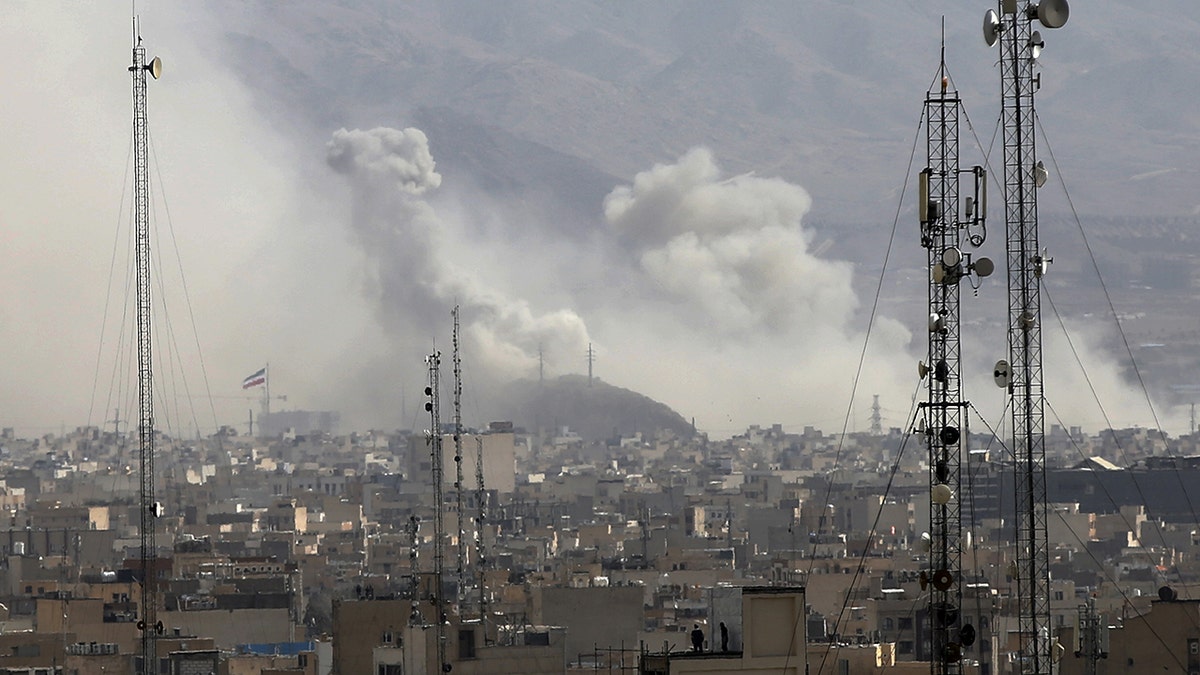
A Saturday dawn broke clear over Tehran, but the tranquility shattered as a joint American and Israeli operation – dubbed “Epic Fury” – unleashed a wave of strikes against the Islamic Republic of Iran. The action, announced by the President in a national address, marked the opening of what he termed “major combat operations,” a dramatic escalation few anticipated.
This isn’t a repeat of past interventions. Unlike the prolonged occupations of Iraq and Afghanistan, there’s no indication of a large-scale American ground force being deployed. Instead, the strategy hinges on airpower and a calculated expectation: the Iranian people themselves will dismantle their current government.
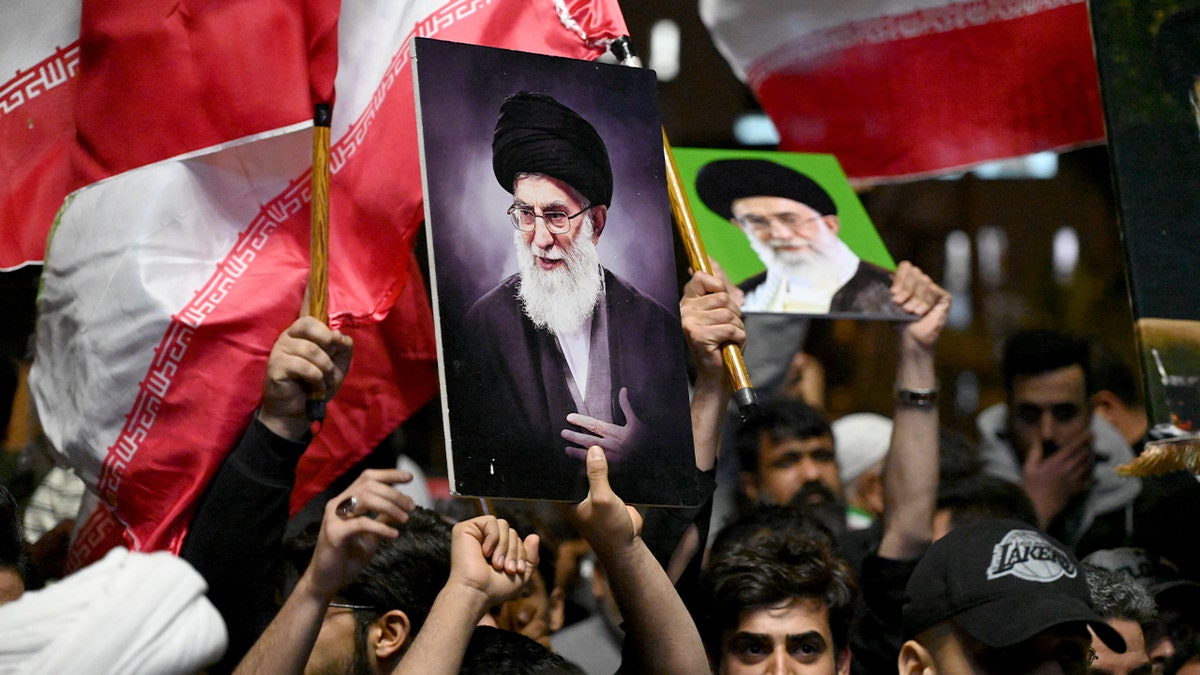
Early reports, including alleged footage of celebrations following the reported death of a key figure, suggest a potential for internal upheaval. While the situation remains fluid, the precedent of Libya – regime change achieved primarily through airpower – looms as a cautionary, yet potentially applicable, model.
However, comparisons to past conflicts are imperfect. The recent American success in Venezuela, achieved through a blend of intelligence and strategic maneuvering, hints at a more nuanced approach underway in Iran. The current war-making team has earned the benefit of the doubt, but the coming days will reveal the true nature of this operation.
The Iranian regime’s apparent inability to adapt to the American way of war – despite years of observing it – has contributed to its current vulnerability. This stands in stark contrast to the reactions of America’s major adversaries, Russia and China, who are already drawing critical lessons from this unfolding conflict.
The first lesson is clear: America’s adversaries must prevent the United States from assembling a substantial striking force. The weeks-long buildup of troops and equipment, a pattern preceding nearly every major American war, has become a predictable signal of impending action. Disrupting this process is now paramount.
The second lesson centers on the vital importance of access to allied bases. American power projection relies heavily on land-based facilities, not just in the Middle East, but also within a network of European nations that have long served as a cornerstone of American global reach. Maintaining this access is essential.
This reality is keenly understood by America’s rivals, who will likely accelerate efforts to weaken alliances and disrupt logistical networks. While the value of these alliances may be debated within American politics, their strategic importance is undeniable to Russia and China.
The consequences of these lessons will become apparent in the coming weeks and months, shaping the geopolitical landscape in both visible and unseen ways. This operation, though unexpected, reflects a President willing to learn, adapt, and confront long-standing strategic challenges with decisive action.
Having successfully challenged regimes in Venezuela and with an eye toward Cuba, the President demonstrates a willingness to pursue similar outcomes elsewhere. His actions are guided by a clear understanding of American interests and a preference for bold, unconventional solutions.
The current conflict also serves as a stark rebuke to those who have recently embraced antisemitism, often cloaked in the guise of anti-Zionism. American and Israeli forces are fighting side-by-side against a common enemy, a reality that demands unequivocal support.
Above Iran, the American flag and the Star of David fly together, representing a unified front in a critical struggle. This is a war fought not just for geopolitical advantage, but for the safety and security of those at home and abroad.